A basement kitchen is one of the smartest ways to add extra function and value to your home. Whether you’re creating a guest suite, a rental unit, or just a convenient entertaining space, a well-designed basement kitchen can make a huge difference.
But let’s be real—basements come with challenges. Limited natural light, lower ceilings, and tight layouts can make designing a kitchen feel tricky.
But you don’t need a complicated or expensive setup. With the right approach, simple basement kitchen ideas can deliver both style and functionality without overthinking the design.
Key Elements of a Functional Basement Kitchen
Before jumping into design ideas, it’s important to get the basics right. A simple basement kitchen works best when every element serves a purpose.
1. Compact Layout
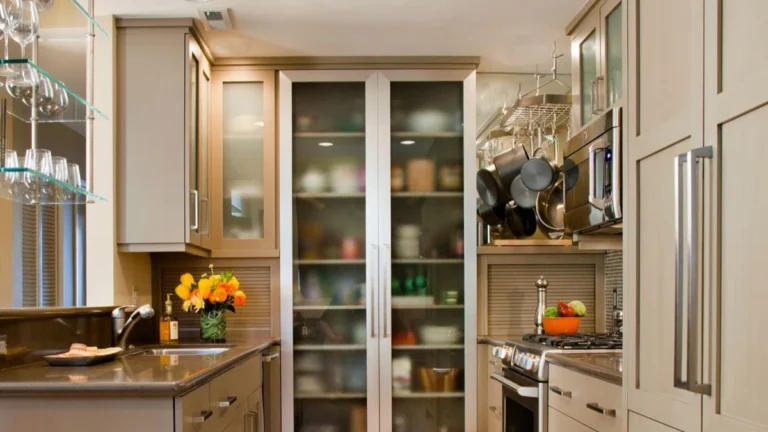
In most basements, space is limited. That’s why layouts like one-wall or galley kitchens work best. Keeping everything streamlined improves workflow and prevents the space from feeling crowded.
2. Essential Appliances Only
You don’t need a full-sized, main-floor kitchen setup. Focus on essentials like:
- A mini fridge or compact refrigerator
- Microwave or small oven
- Two-burner cooktop
This keeps your kitchen practical without overwhelming the space.
3. Smart Storage Solutions
Storage is key in small areas. Consider:
- Open shelving to keep things accessible
- Cabinets that go up to the ceiling
- Multi-purpose furniture like storage benches
Keeping clutter under control instantly makes your basement kitchen feel bigger.
4. Proper Lighting
Basements naturally lack sunlight, so lighting matters more than ever. Use a mix of:
- Overhead lighting
- Under-cabinet lighting
- Warm accent lights
A bright space always feels more inviting and functional.
12 Simple Basement Kitchen Ideas You Can Copy
Here are some easy, practical ideas you can use to design your basement kitchen.
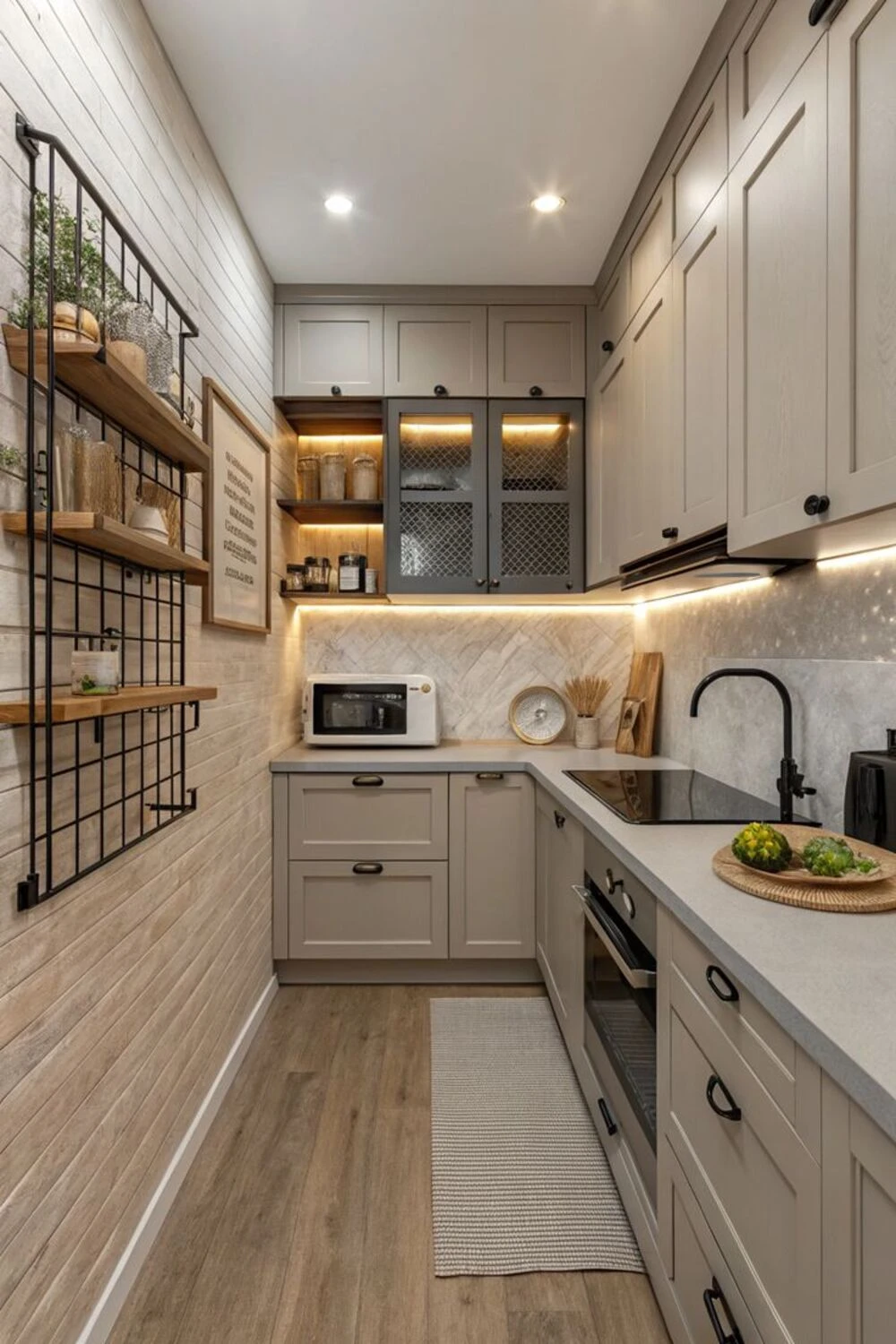
1. One-Wall Kitchen Setup
A one-wall layout is the simplest option. It keeps all appliances and storage along a single wall, making installation easier and more affordable.
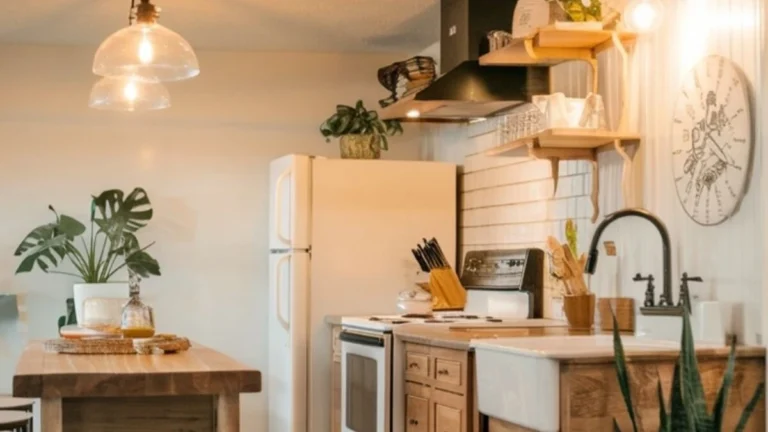
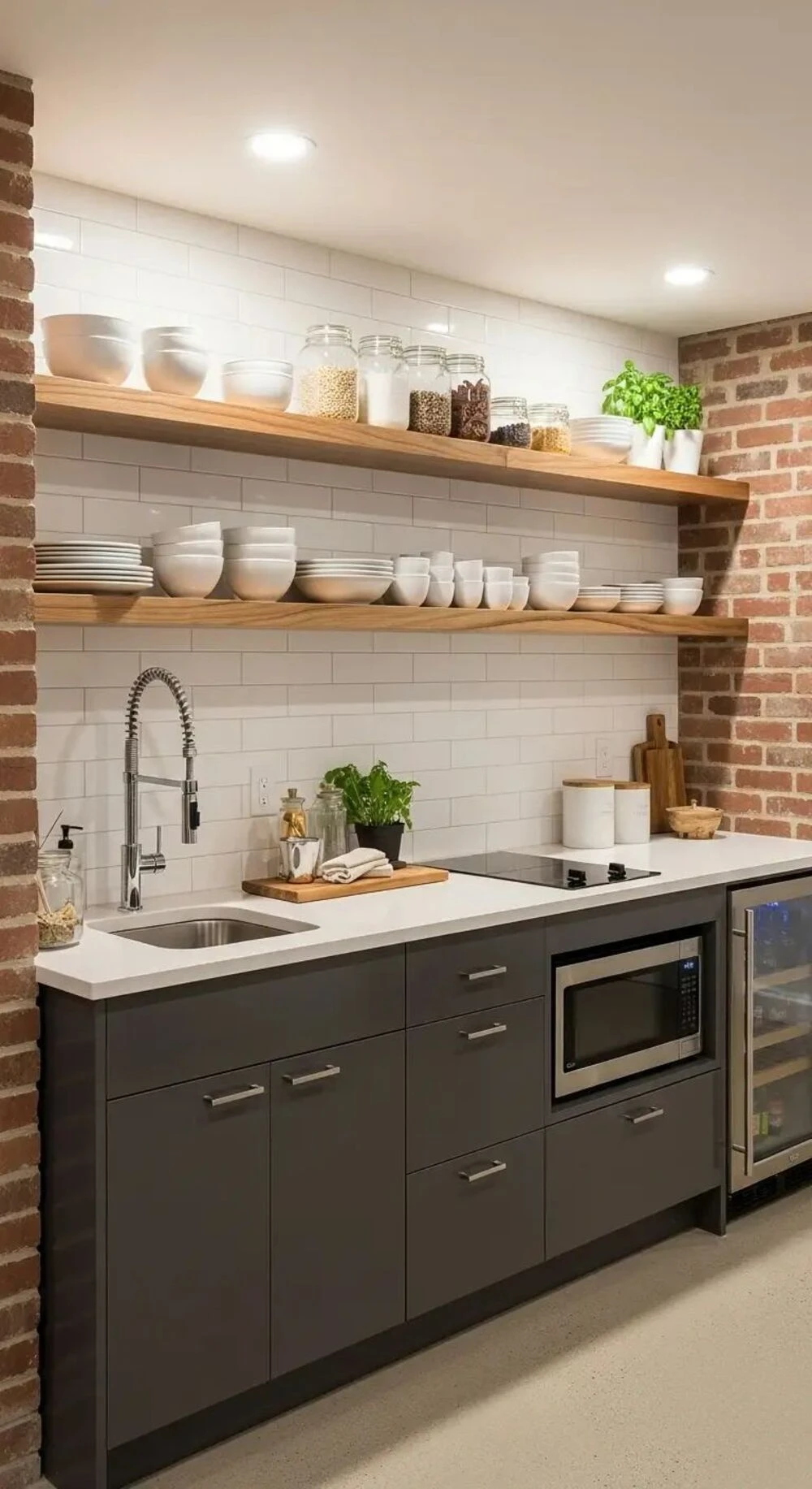
2. Open Shelving for an Airy Feel
Replacing upper cabinets with open shelves can make a basement kitchen feel less cramped. It also gives you a chance to add a bit of personality with decor.
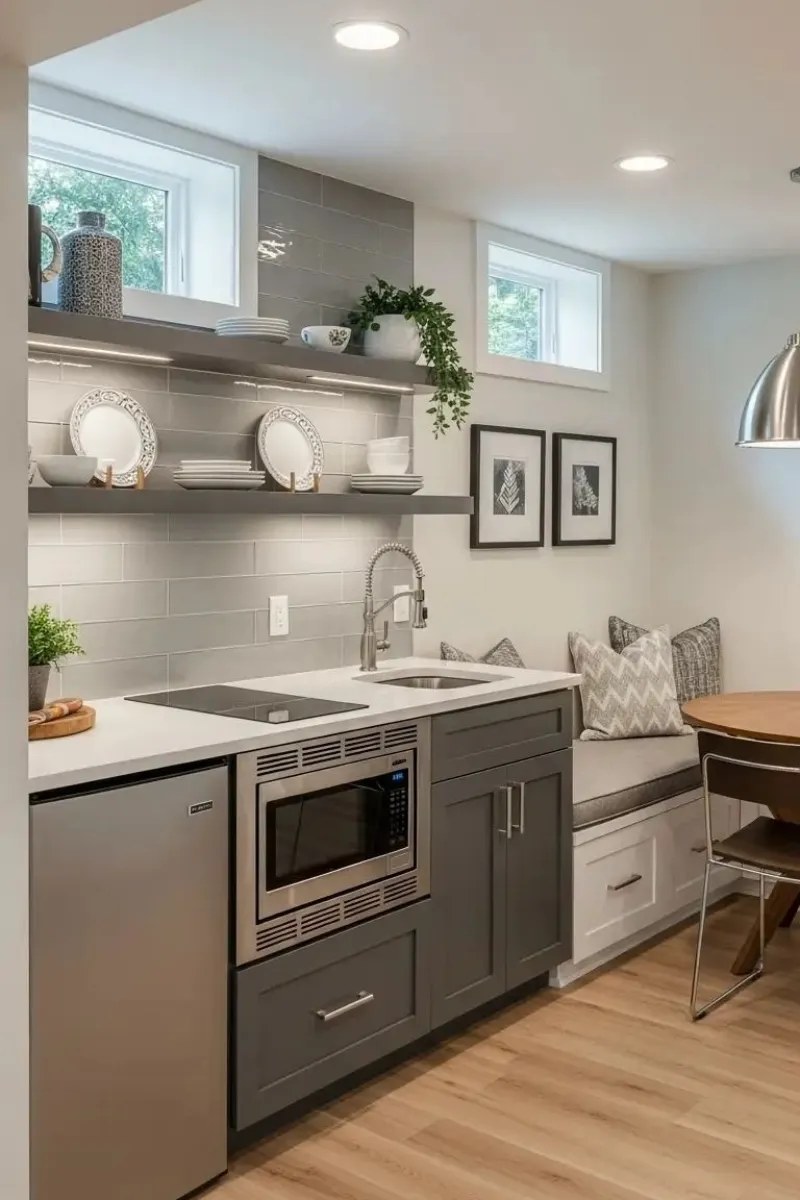
3. Light Color Palette
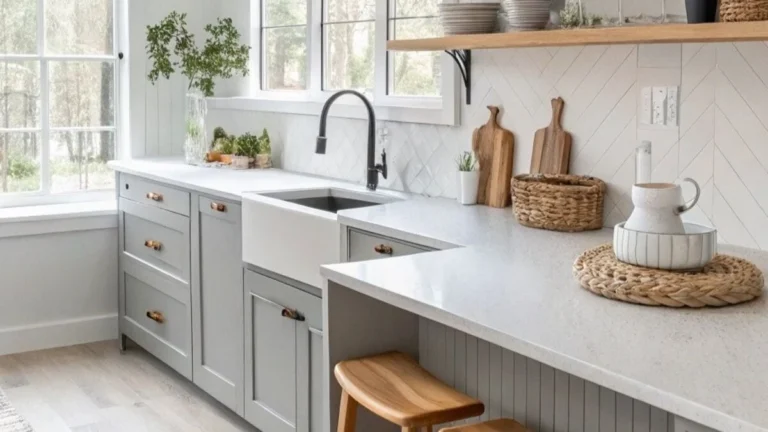
Stick with light tones like white, soft gray, or beige. These colors reflect light and help brighten up darker basement spaces.
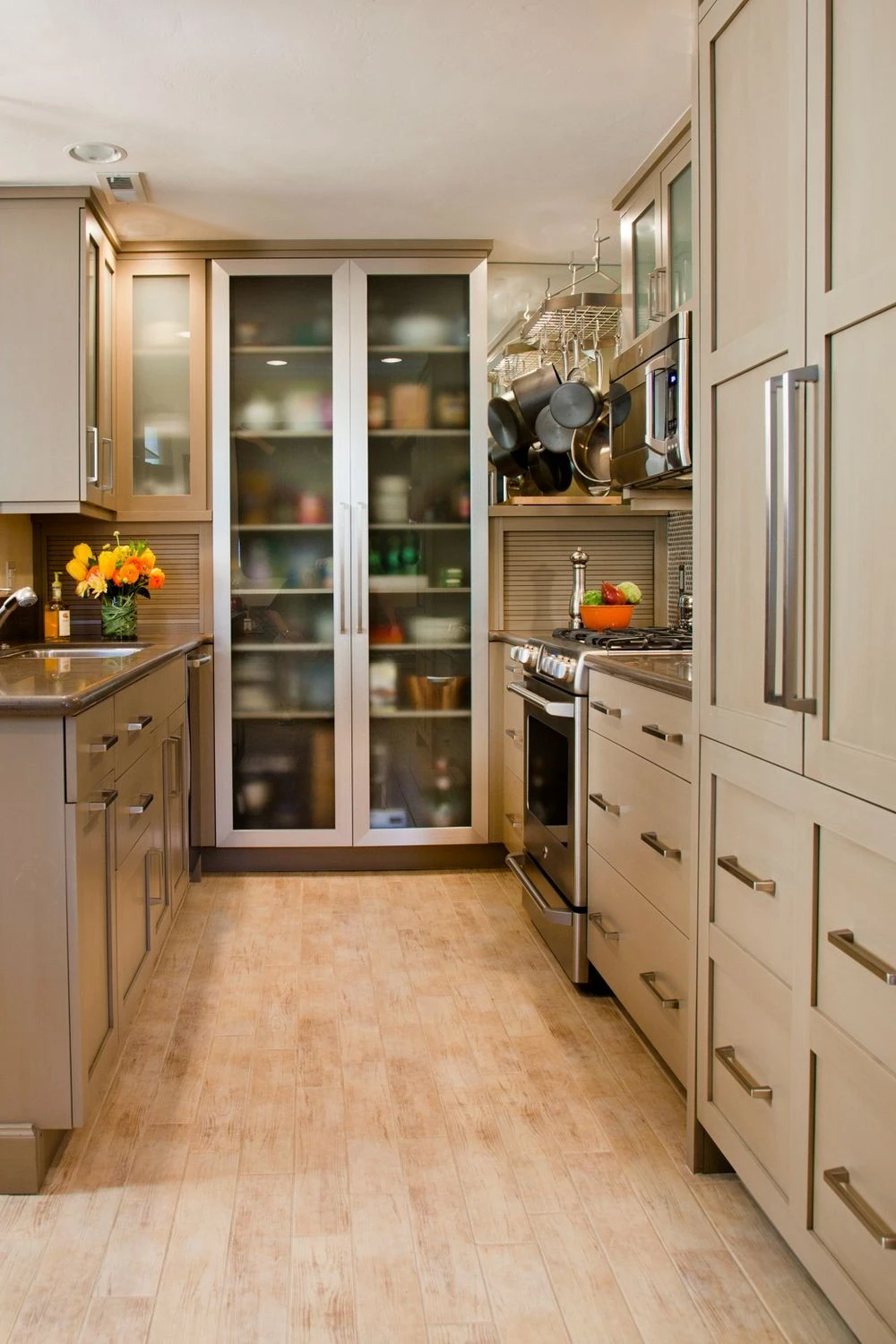
4. Minimalist Cabinet Design
Flat-panel cabinets with clean lines create a modern look while keeping the design simple and clutter-free.
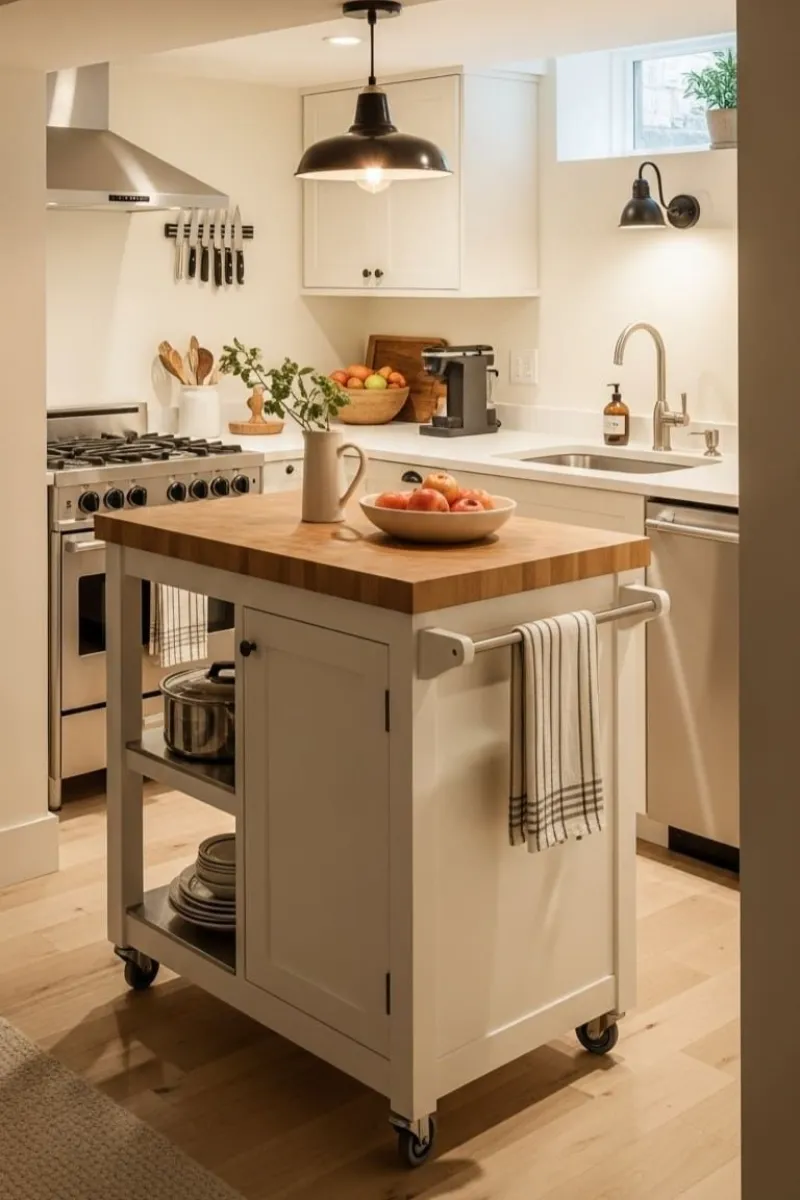
5. Small Kitchen Island or Cart
If you have a little extra space, a small island or rolling cart can add prep space and storage without making the room feel tight.
6. Multi-Functional Furniture
Think foldable tables, extendable counters, or carts that can be moved when needed. Flexibility is key in a small basement kitchen.
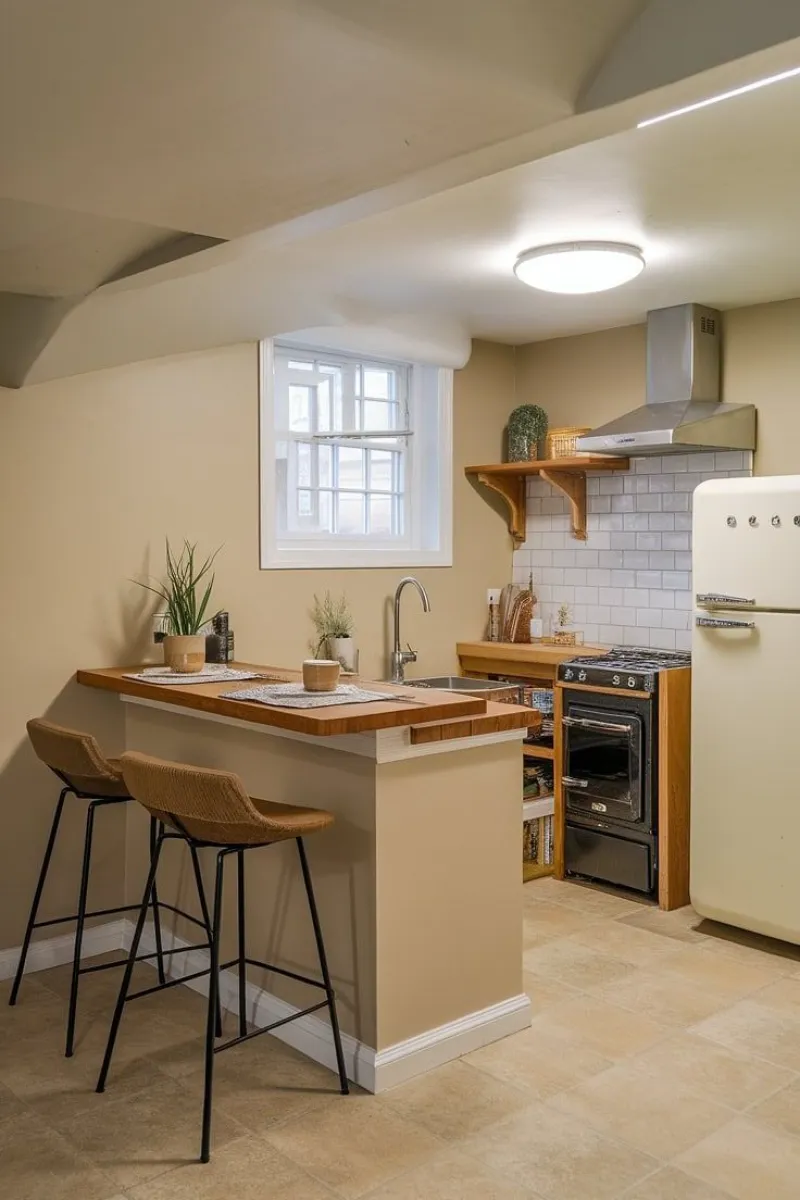
7. Compact Appliances
Choose appliances designed for small spaces. Slim refrigerators and combination microwave ovens can save a lot of room.
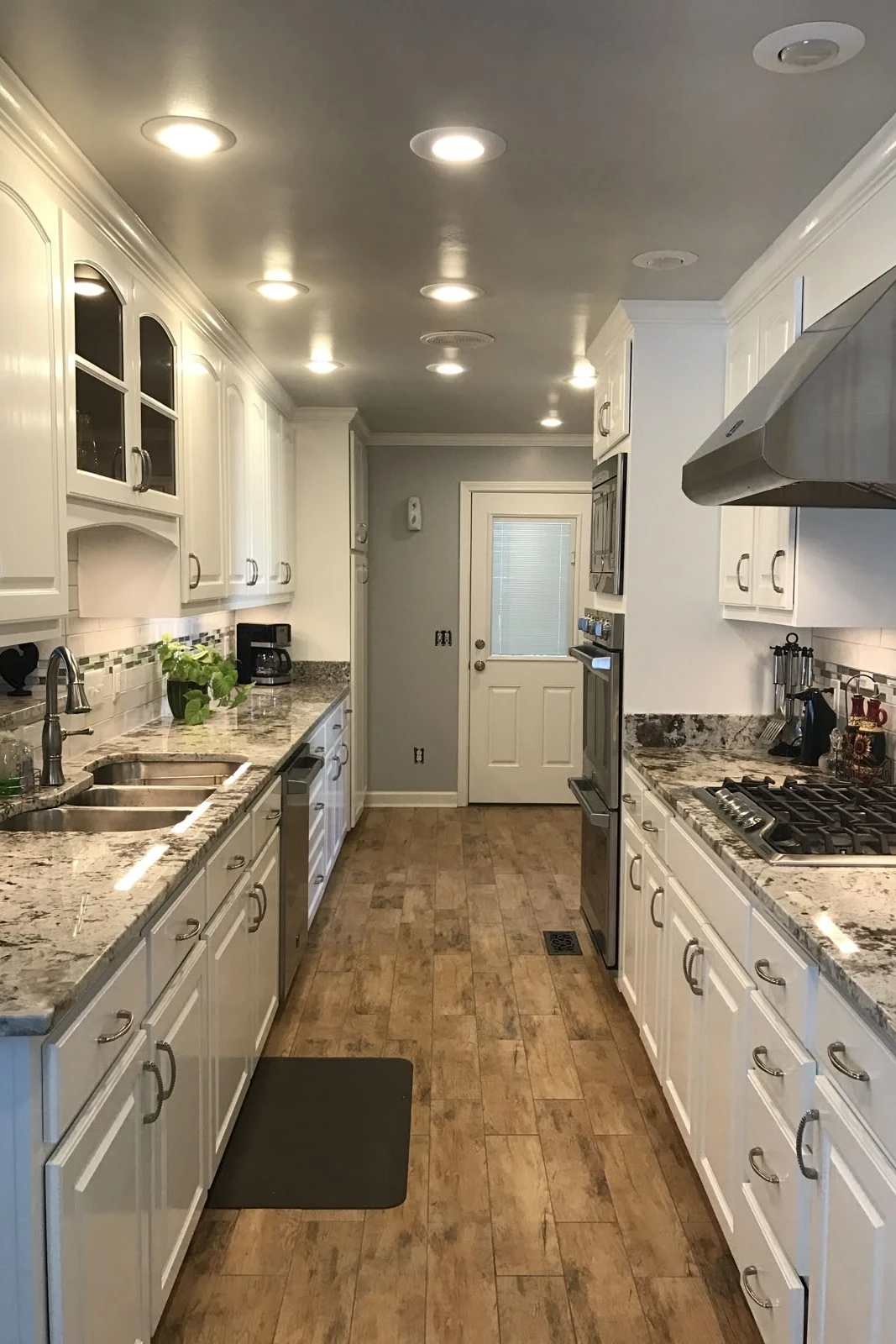
8. Simple Backsplash Designs
Peel-and-stick backsplash tiles are an easy and affordable way to add style to your kitchen without a major renovation.
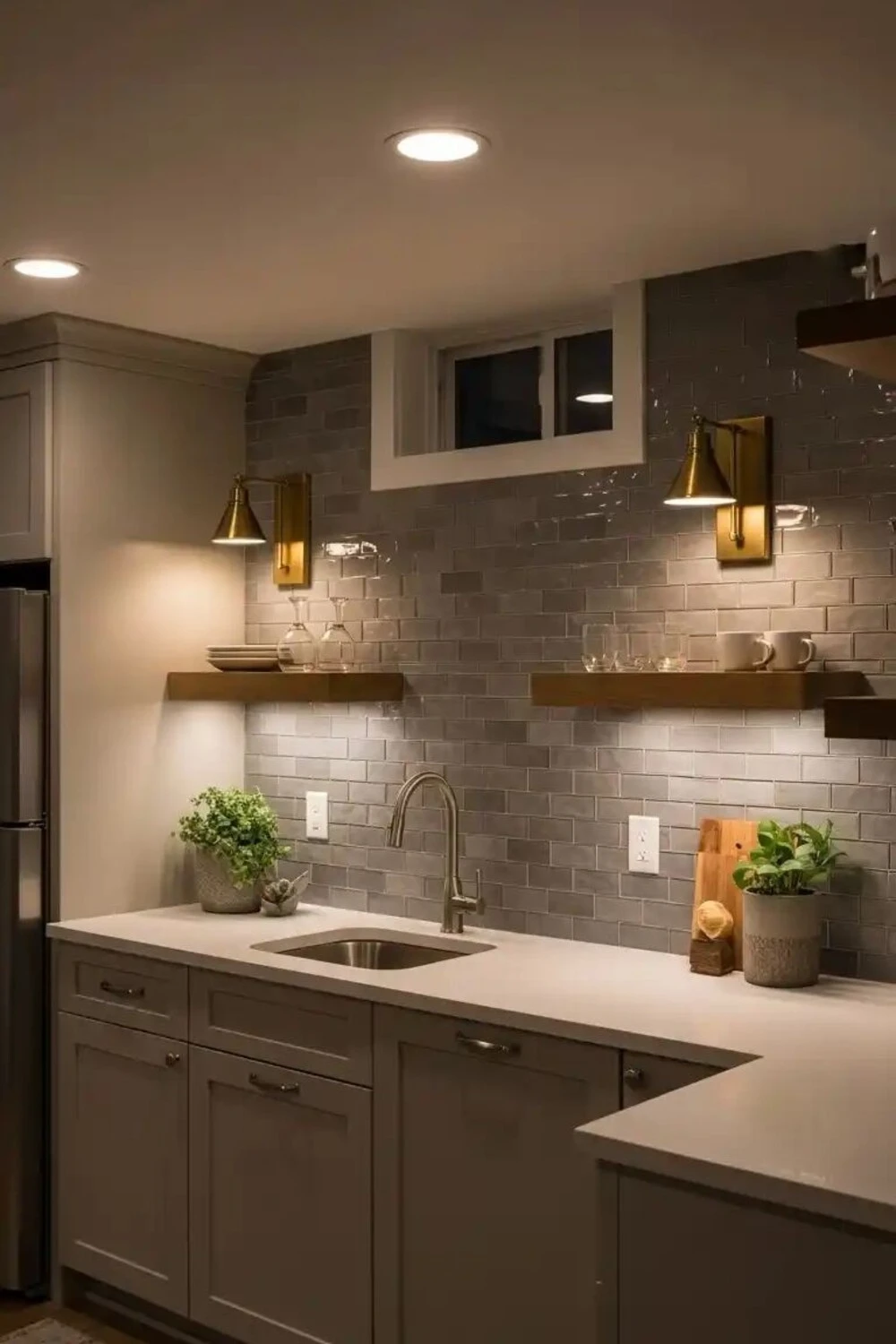
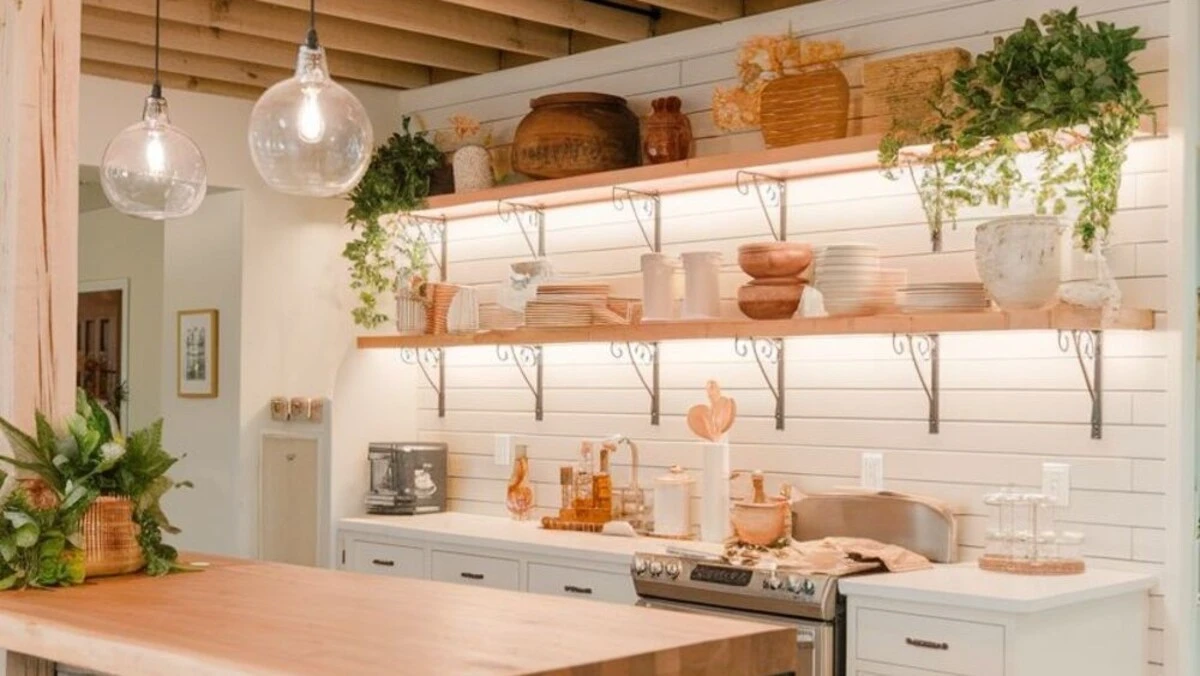
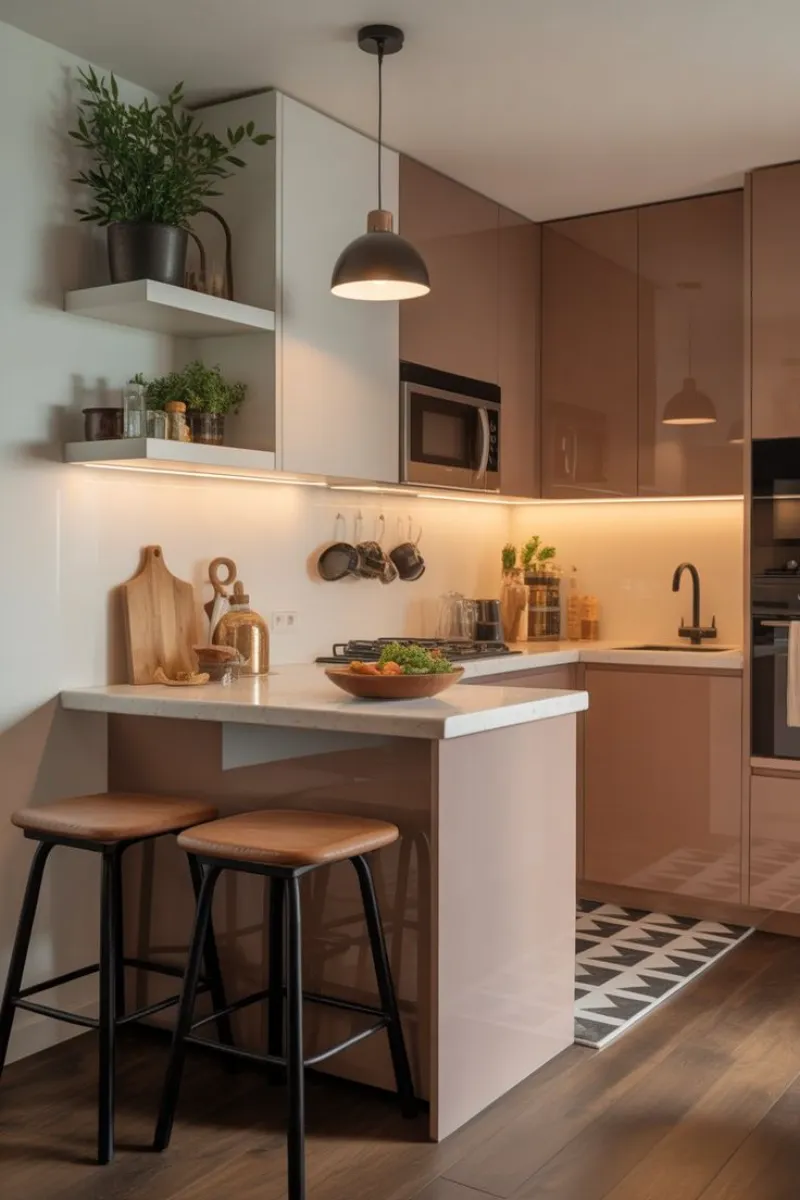
9. Under-Cabinet Lighting
This is a small upgrade that makes a big impact. It improves visibility and adds a modern touch to your kitchen.
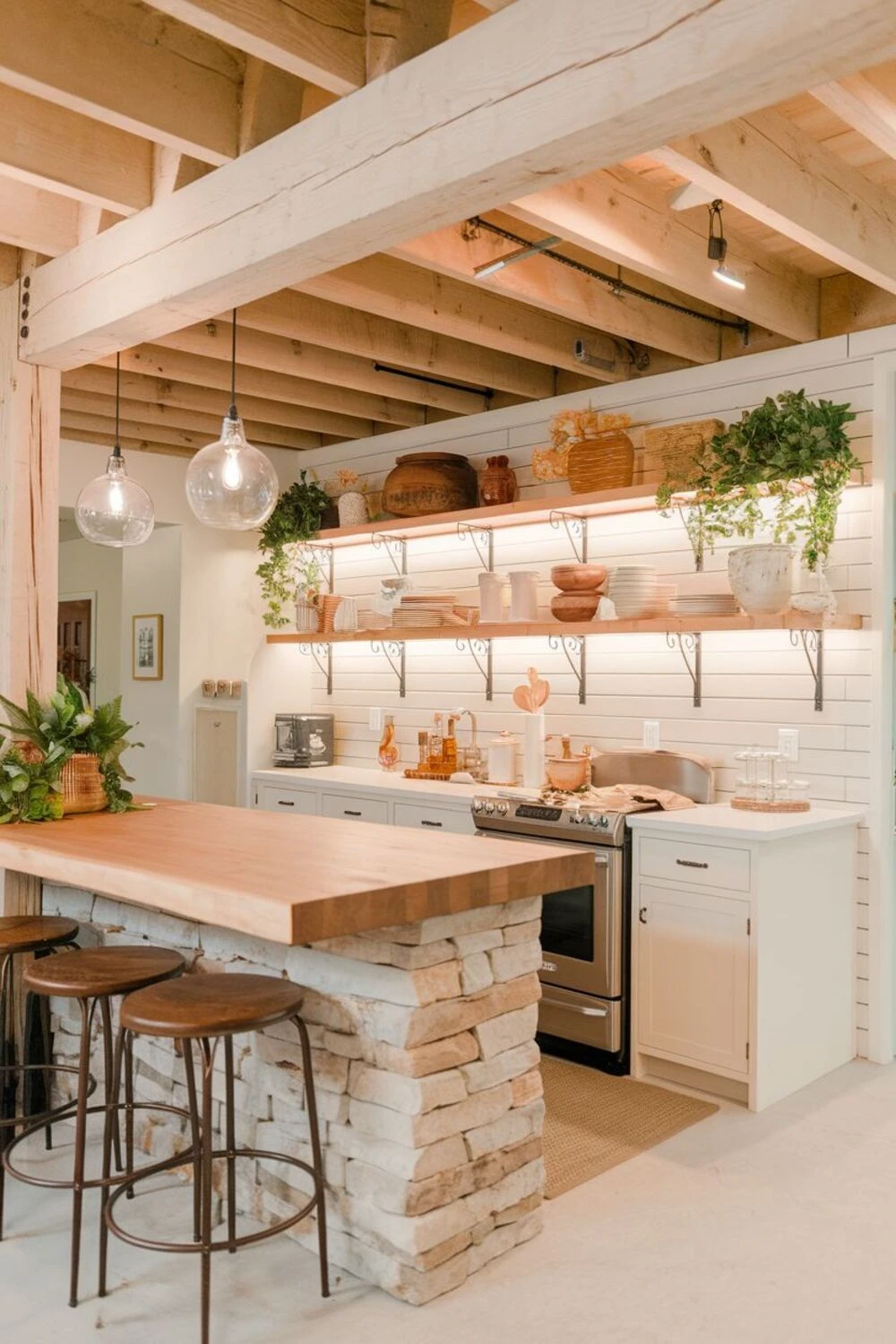
10. Exposed Ceiling for a Modern Look
If you have a low ceiling basement kitchen, leaving the ceiling exposed can save money and give your basement a trendy, industrial vibe.
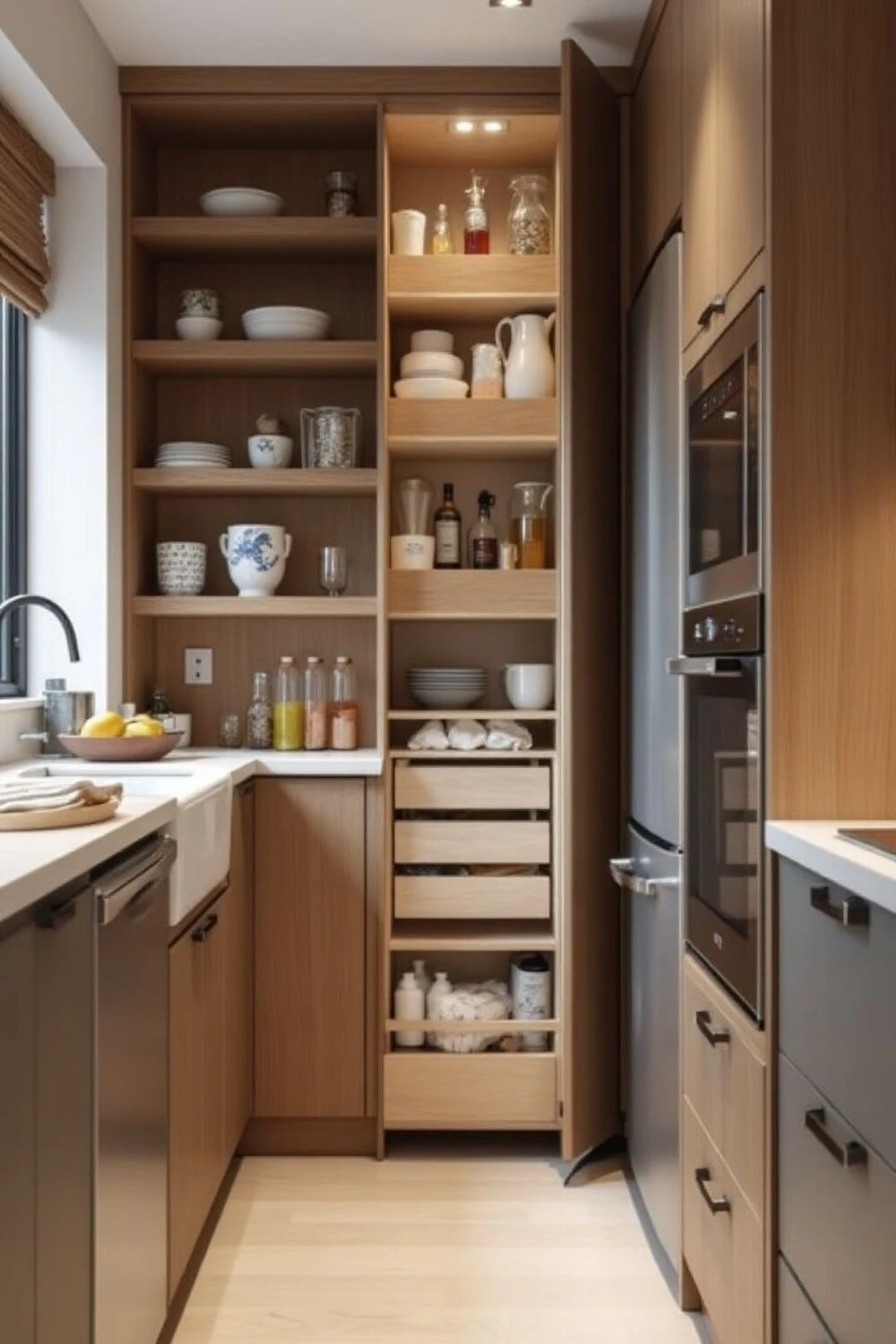
11. Built-In Storage Nooks
Use awkward corners or unused wall space for built-in shelves or niches. It’s a simple way to maximize storage.
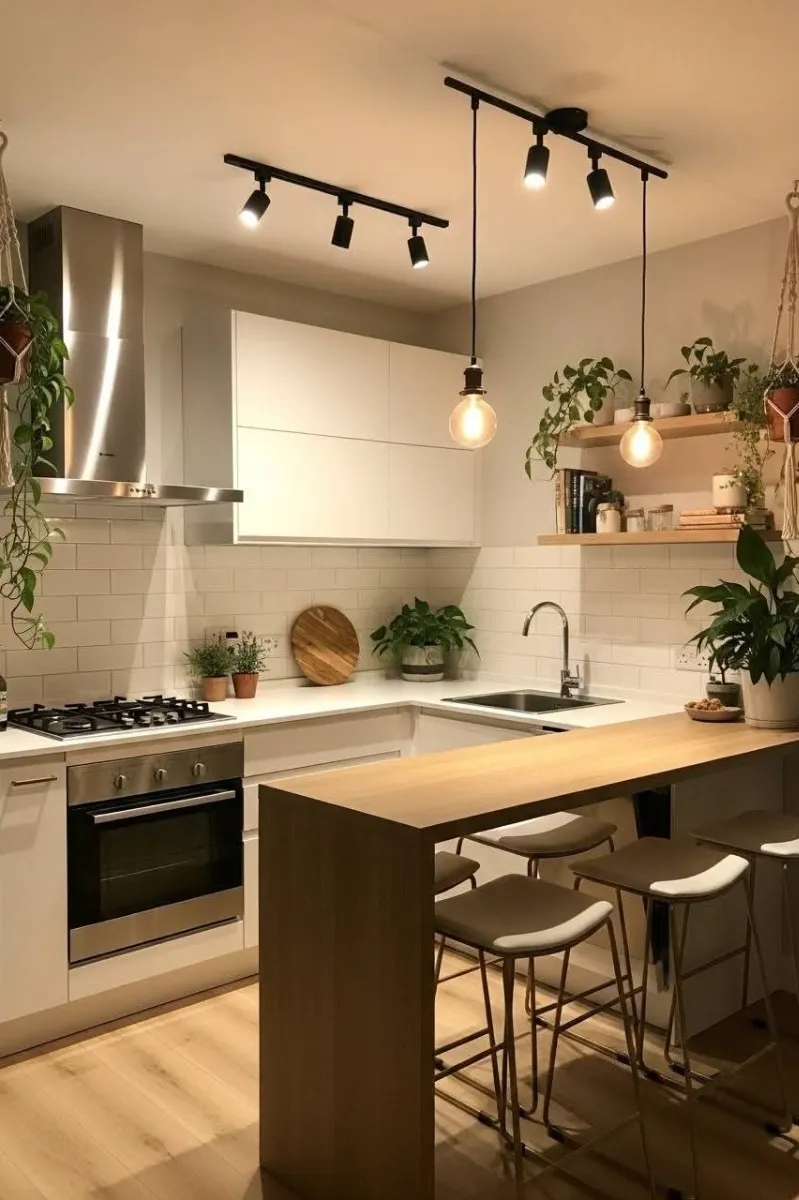
12. Cozy Dining Corner
Even a small table or breakfast bar can turn your basement kitchen into a comfortable gathering spot.
Budget-Friendly Tips for a Simple Basement Kitchen
Designing a basement kitchen doesn’t have to break the bank. Here are a few ways to keep costs down:
- Use ready-to-assemble cabinets instead of custom ones
- Choose laminate countertops for a budget-friendly option
- DIY simple upgrades like painting or backsplash installation
- Repurpose furniture instead of buying everything new
A simple design is not just easier—it’s also much more affordable.
Mistakes to Avoid When Designing a Basement Kitchen
Even simple kitchens can go wrong if you’re not careful. Watch out for these common mistakes:
- Overcrowding the space: Too many cabinets or appliances can make the kitchen feel cramped
- Poor lighting: A dim basement kitchen will feel uninviting
- Ignoring ventilation: Proper airflow is essential, especially if you cook often
- Using oversized appliances: Stick to compact options that fit your layout
Avoiding these issues will save you time, money, and frustration.
FAQs
What is the simplest way to build a basement kitchen?
You may be wondering how to keep things easy. The simplest approach is a one-wall layout with basic appliances, open shelving, and minimal cabinetry. This reduces both cost and installation complexity.
How much does a simple basement kitchen cost?
Costs can vary, but most simple basement kitchens range from $3,000 to $10,000 depending on materials, size, and how much work you do yourself.
Do I need a permit for a basement kitchen?
You may be wondering if permits are required. In most areas, you’ll need permits for plumbing and electrical work, so it’s important to check your local building codes before starting.
Conclusion
Creating a basement kitchen doesn’t have to be complicated. With the right approach, simple basement kitchen ideas can deliver a space that’s both stylish and highly functional.
Focus on the essentials, keep the layout clean, and choose budget-friendly materials—and you’ll have a basement kitchen that works perfectly for your needs.