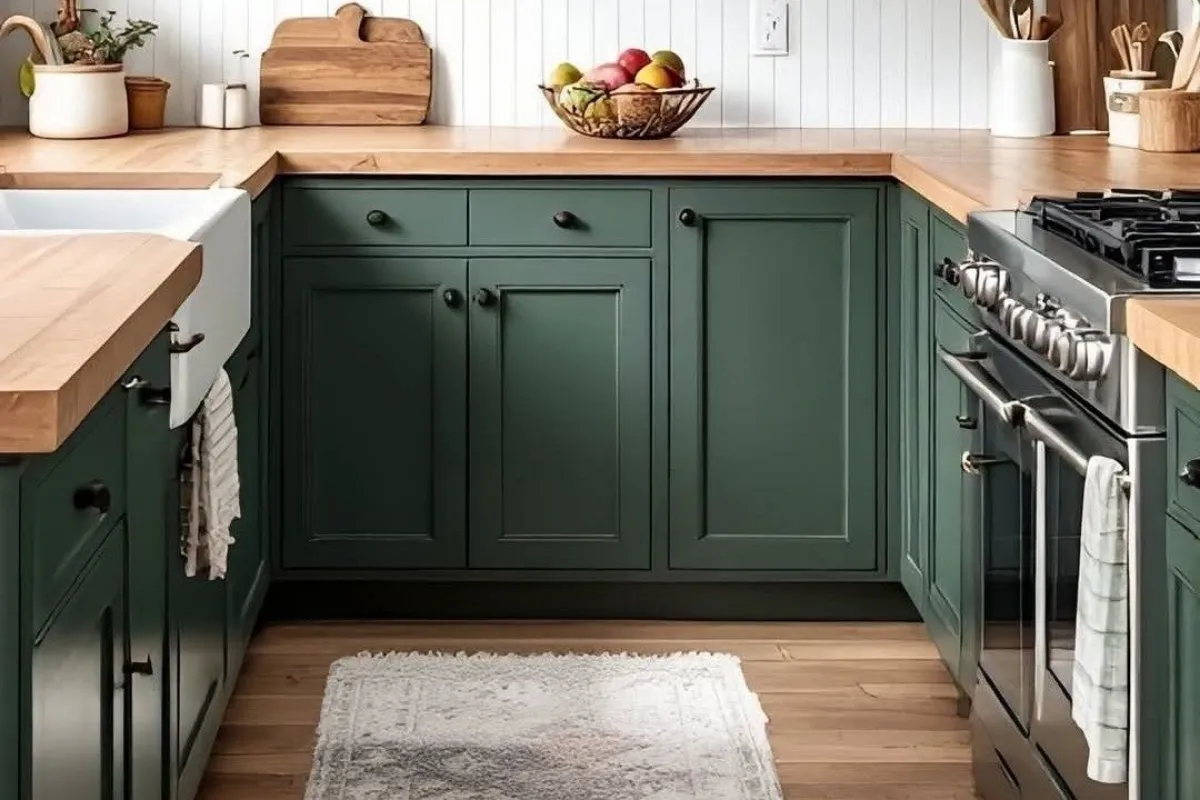
Painting kitchen cabinets is one of the most cost-effective ways to transform your kitchen without a full renovation. Instead of replacing cabinets—which can cost thousands—painting gives you a fresh, updated look for a fraction of the price. Whether you’re aiming for a modern white kitchen, a warm neutral tone, or a bold color statement, painted cabinets can dramatically change the feel of the space.
In this guide, you’ll learn how to paint kitchen cabinets from start to finish, including what kind of paint works best, how much it costs, and common mistakes to avoid. The steps are explained simply, making this project approachable even if you’ve never painted cabinets before.
Is Painting Kitchen Cabinets Worth It?
Short answer: Yes—for most kitchens.
Painting cabinets is worth it if:
- Your cabinet boxes are structurally sound
- You want to update the look without major remodeling
- You’re working with a limited budget
Replacing cabinets makes sense only if they’re damaged, warped, or poorly constructed. Otherwise, paint can give old cabinets a brand-new appearance while preserving what already works.
Painting kitchen cabinets is worth it when cabinets are in good condition and you want an affordable kitchen upgrade without full replacement.
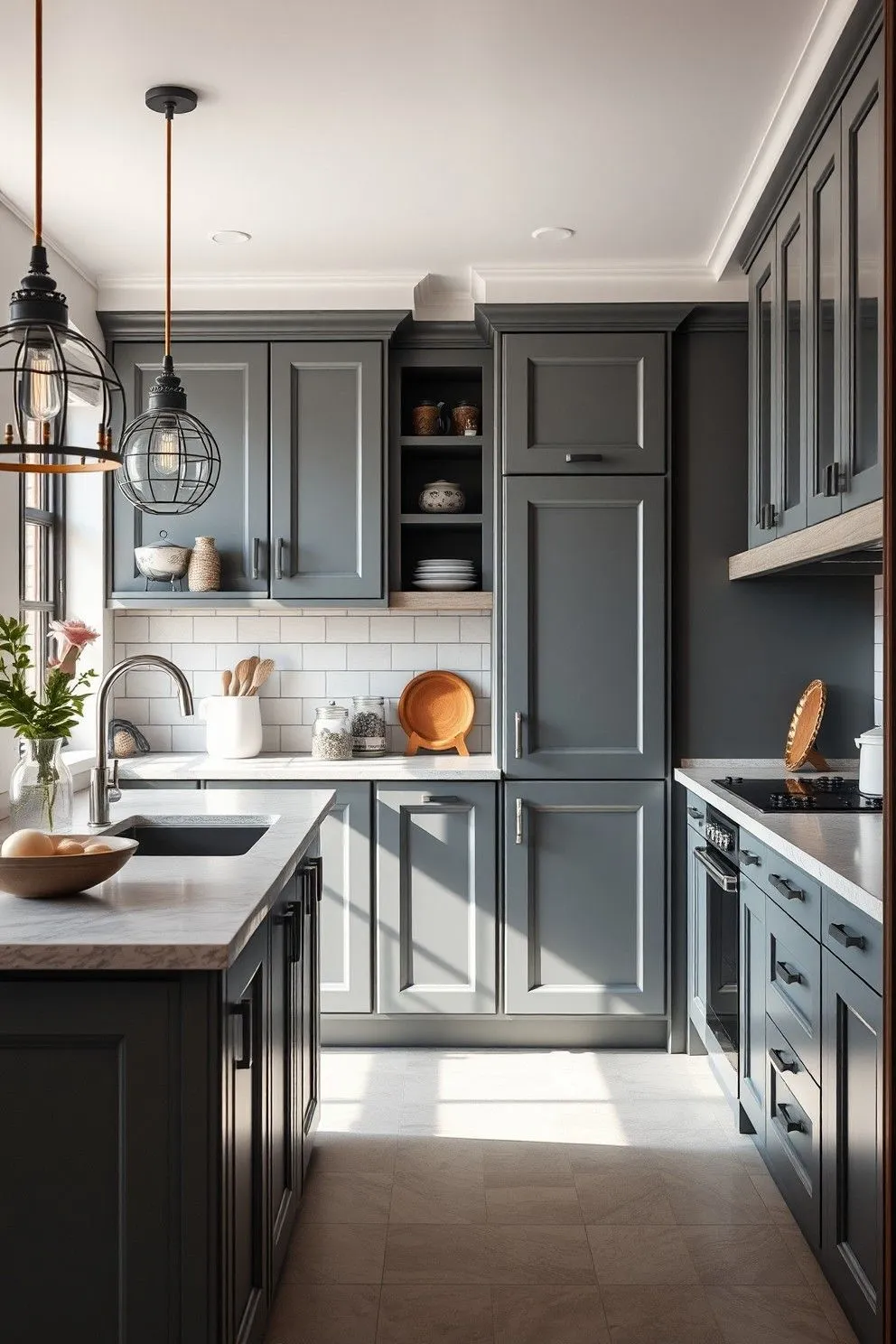
What Kind of Paint Is Best for Kitchen Cabinets?
Choosing the right paint is critical. Cabinets experience more wear than walls, so durability matters.
Best Paint Types for Kitchen Cabinets
1. Cabinet-Specific Paint or Enamel
Designed for high-traffic surfaces, cabinet paints offer:
- Harder finish
- Better adhesion
- Improved resistance to chipping
2. Water-Based (Latex) Paint
- Low odor
- Easy cleanup
- Dries faster
- Modern formulations are very durable
3. Oil-Based Paint
- Extremely durable
- Smooth finish
- Longer drying time
- Strong fumes (less commonly recommended today)
Best choice for most DIYers: High-quality water-based acrylic enamel paint.
Best Paint Finish for Cabinets
- Satin: Subtle sheen, forgiving of imperfections
- Semi-gloss: Most popular, easy to clean
- Gloss: Very durable but highlights flaws
The best paint finish for kitchen cabinets is semi-gloss because it’s durable, moisture-resistant, and easy to clean.
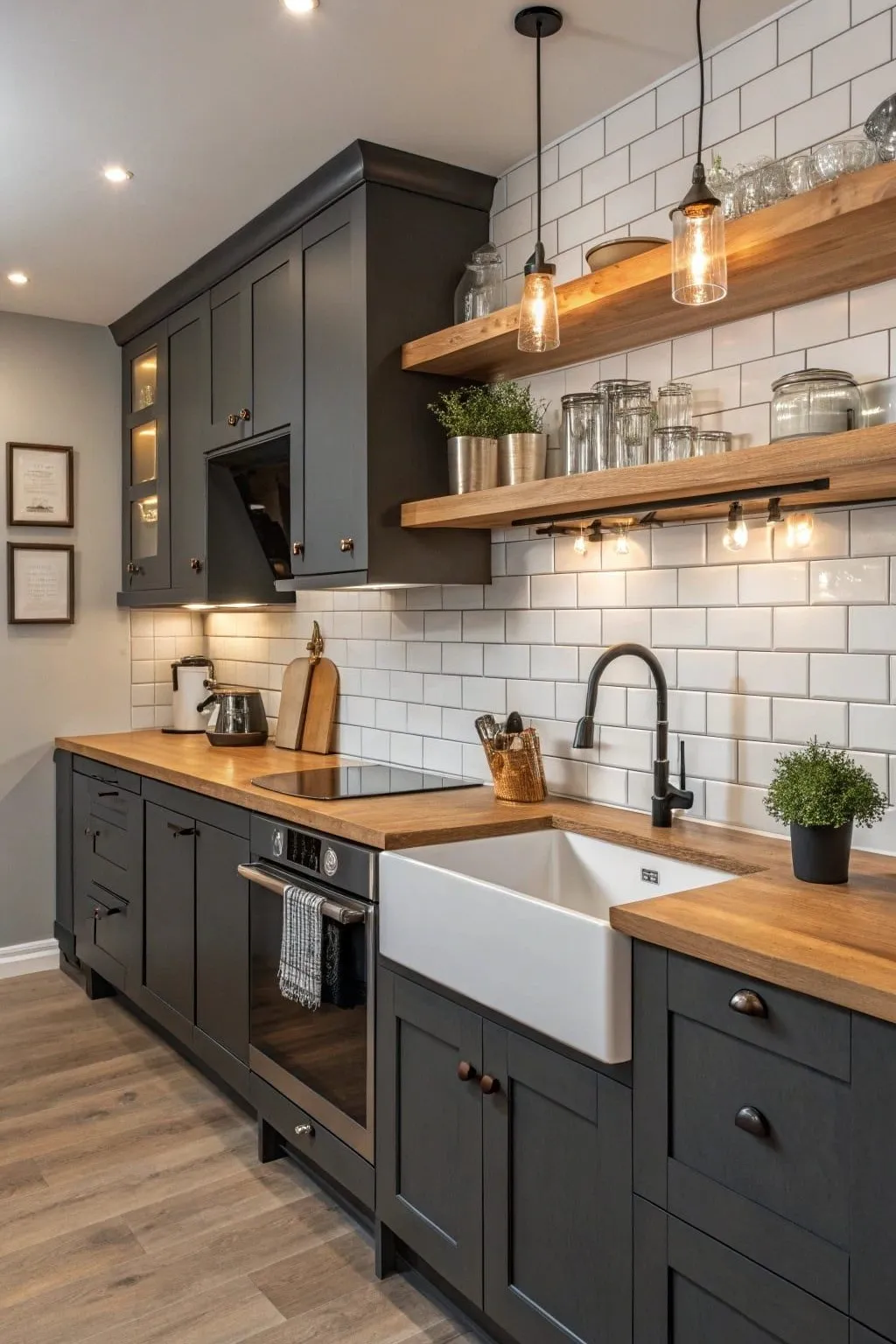
Tools and Materials You’ll Need
Before starting, gather everything to avoid delays.
Essential Supplies
- Cabinet paint
- Primer (bonding or stain-blocking)
- Paint brushes (angled + straight)
- Foam rollers or paint sprayer
- Sandpaper (120–220 grit)
- Degreaser or TSP substitute
- Drop cloths
- Screwdriver and labeled bags
How to Prep Kitchen Cabinets for Painting
Prep work determines the final result. Skipping this step leads to peeling, streaks, and poor adhesion.
Step 1: Remove Doors and Hardware
- Label each door and hinge
- Remove knobs, pulls, and hinges
Step 2: Clean Thoroughly
Kitchen cabinets collect grease and residue that paint won’t stick to.
- Use a degreaser
- Wipe down all surfaces
- Let dry completely
Step 3: Sand or Degloss
- Light sanding helps paint adhere
- Use a sanding sponge for edges
- Wipe away dust with a damp cloth
Step 4: Prime the Cabinets
Primer is essential if:
- Cabinets are dark or stained
- You’re changing colors
- Cabinets are glossy or previously painted
Always prime kitchen cabinets to prevent stains from bleeding through and to improve paint adhesion.
How to Paint Kitchen Cabinets: Step-by-Step
Step 1: Paint Cabinet Doors First
- Lay doors flat
- Use a brush for edges and details
- Roll flat areas with a foam roller
Step 2: Paint Cabinet Frames
- Start with inside edges
- Work outward to visible surfaces
Step 3: Apply Multiple Thin Coats
- Two coats minimum
- Allow full drying between coats
- Light sanding between coats improves smoothness
Step 4: Let Paint Cure
Drying and curing are different.
- Dry: 24–48 hours
- Cure: 7–30 days
Avoid heavy use until fully cured.
How Long Does It Take to Paint Kitchen Cabinets?
DIY timeline:
- Prep: 1–2 days
- Painting: 2–3 days
- Drying & curing: up to 30 days (light use earlier)
Painting kitchen cabinets usually takes 3–5 days for painting and several weeks for full curing.
How Much Does It Cost to Paint Kitchen Cabinets?
Below is a breakdown of costs, categorized by whether you hire a professional or choose to do it yourself (DIY):
DIY Cabinet Painting Costs
- Paint: $50–$150
- Primer: $30–$60
- Tools & supplies: $50–$100
- Total DIY cost: $150–$400
Professional Cabinet Painting Costs
- Small kitchen: $1,500–$3,000
- Large kitchen: $3,000–$6,000+
Factors That Affect Cost
- Kitchen size
- Paint type
- Cabinet condition
- Labor rates
Painting kitchen cabinets costs $150–$400 for DIY and $1,500–$6,000 when hiring a professional.

DIY vs Hiring a Professional Painter
| Option | Pros | Cons |
| DIY Cabinet Painting | • Lower cost • Full control over colors and finishes • Flexible schedule | • Time-consuming • Requires patience and skill • Finish may not be factory-smooth |
| Professional Cabinet Painting | • Faster turnaround • Spray-quality, smooth finish • Minimal effort for homeowner | • Higher overall cost |
Best choice: DIY for budget projects, professionals for flawless finishes or large kitchens.
Common Kitchen Cabinet Painting Mistakes to Avoid
- Skipping cleaning or sanding
- Using wall paint instead of cabinet paint
- Applying thick coats
- Reinstalling hardware too soon
- Ignoring curing time
Avoiding these mistakes greatly improves durability.
Tips to Make Painted Cabinets Last Longer
- Allow full curing before heavy use
- Use gentle cleaners
- Avoid abrasive sponges
- Add felt pads to doors
- Touch up chips promptly
Well-painted cabinets can last 8–10 years with proper care.
Conclusion
Learning how to paint kitchen cabinets is one of the most valuable DIY skills for homeowners. With the right paint, proper preparation, and patience, you can achieve professional-looking results without the high cost of replacement.
By choosing the correct paint, understanding the cost, and following each step carefully, you’ll create a kitchen that feels fresh, updated, and truly your own.