A basement bar can completely change how your lower level feels. Instead of an unfinished storage area, it becomes a place to relax, entertain guests, or enjoy movie nights and game days. The good news is you do not need expensive custom carpentry to make it happen.
One of the easiest and most affordable ways to create a stylish basement bar is by using kitchen cabinets. Since kitchen cabinets are already designed for storage and durability, they work perfectly for bar setups. They are also widely available in different colors, sizes, and styles, making customization much easier.
Whether you want a modern wet bar or a cozy entertainment corner, this guide will show you exactly how to build a basement bar using kitchen cabinets from start to finish.
Why Kitchen Cabinets Work So Well for Basement Bars
Kitchen cabinets are one of the smartest shortcuts for DIY basement projects. Instead of building everything from scratch, you can use pre-made cabinets as the structure of your bar.
This approach saves time, reduces mistakes, and often costs much less than hiring a carpenter for custom cabinetry.
Another major advantage is storage. Kitchen cabinets already include drawers, shelves, and doors that are perfect for organizing glasses, drinks, snacks, and bar tools.
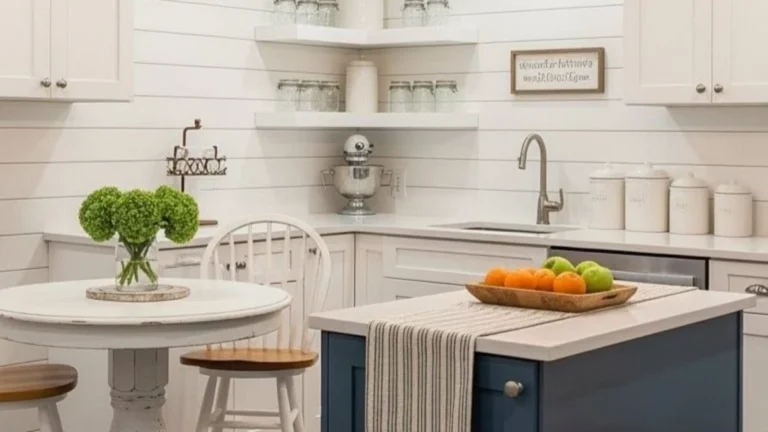
They also come in many different finishes. White shaker cabinets create a clean farmhouse look, while dark cabinets instantly make the space feel more upscale and modern.
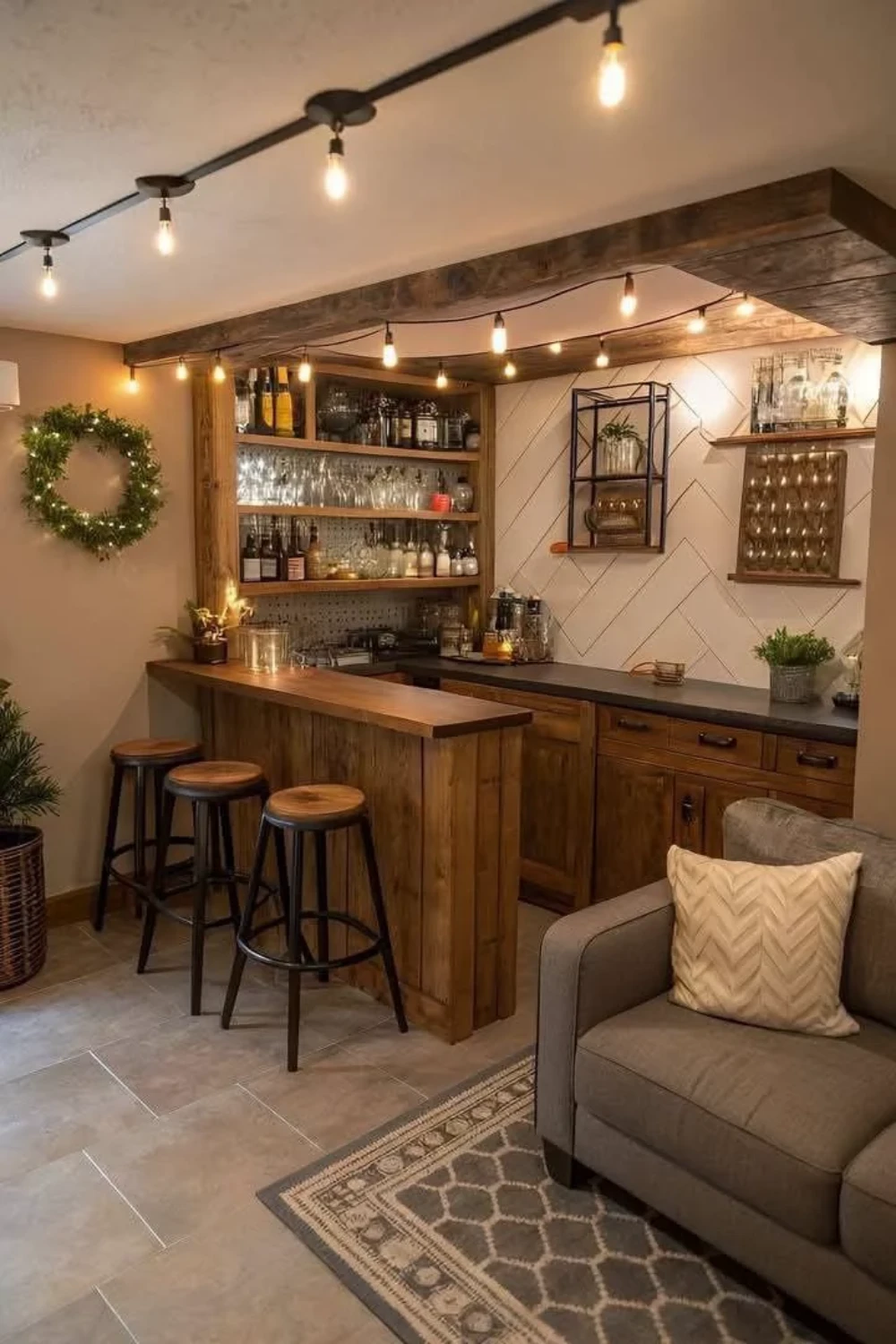
Plan Your Basement Bar Layout First
Before buying cabinets, spend some time planning your layout carefully. A good design will make the basement feel functional rather than cramped.
Start by measuring the available space. You should leave enough room for walking around the bar and pulling out bar stools comfortably. In most cases, at least 36 inches of clearance around the seating area works well.
Next, think about the shape of the bar. Straight bars are the simplest and work best for smaller basements. L-shaped bars create more countertop space and seating, while U-shaped layouts feel more like a commercial bar setup.
You should also decide whether you want a wet bar or dry bar.
A wet bar includes plumbing and a sink, which is convenient for washing glasses and preparing drinks. A dry bar skips the plumbing and focuses mainly on storage and serving space, making it easier and cheaper to build.
Choose the Right Kitchen Cabinets
Not all cabinets are ideal for basement conditions. Since basements can sometimes have moisture problems, choose durable materials that can handle humidity better.
Plywood cabinets generally perform better than particle board because they resist swelling and warping more effectively.
Base cabinets are the main component for the lower section of the bar. Some homeowners also add upper cabinets or floating shelves behind the bar for additional storage and decoration.
For style, shaker cabinets remain one of the most popular choices because they fit almost any design theme. Matte black cabinets work well in modern spaces, while natural wood tones help create a warmer atmosphere.
If you are working with a tight budget, stock cabinets from home improvement stores are often enough for a beautiful basement bar.
Materials and Tools You Will Need
The exact materials depend on your design, but most DIY basement bars require the following:
- Kitchen base cabinets
- Countertop material
- Screws and brackets
- Wood for framing
- Trim and molding
- Paint or stain
- Bar stools
- Lighting fixtures
Basic tools usually include:
- Drill
- Level
- Circular saw
- Tape measure
- Stud finder
- Screwdriver
- Caulk gun
Having all your materials ready before starting makes the project move much faster.
Step by Step Guide on How to Build a Basement Bar Using Kitchen Cabinets
Step 1: Prepare the Basement Area
The first step is preparing the floor and walls where the bar will sit.
Clean the area thoroughly and check for moisture problems. If the basement has water leaks or damp walls, solve those issues before installing cabinets.
Next, mark the dimensions of the bar directly on the floor using painter’s tape. This helps you visualize the final size and confirm the layout feels comfortable.
If your floor is uneven, you may need shims later during cabinet installation to keep everything level.
Step 2: Install the Base Cabinets
Once the layout is finalized, begin positioning the base cabinets.
Start from one end and work your way across. Use a level constantly during this step because uneven cabinets can cause major countertop problems later.
Clamp neighboring cabinets together before screwing them into place. Then secure them to wall studs for stability.
If the basement floor is slightly uneven, place shims underneath certain areas until the cabinets sit perfectly level.
At this stage, the project already starts looking like a real bar.
Step 3: Build the Front Bar Frame
Most basement bars include an extended front section where guests sit with bar stools.
To create this, build a simple wood frame in front of the cabinets. This structure supports the countertop overhang and creates the traditional bar appearance.
Standard bar height is usually around 42 inches, while the working countertop behind the bar is often 36 inches high.
Make sure the overhang extends enough for comfortable seating. Around 10 to 12 inches is common for bar stool legroom.
You can finish the front with decorative wood panels, shiplap, or trim for a more custom-built appearance.
Step 4: Add the Countertop
The countertop has a huge impact on the final look of the basement bar.
Laminate countertops are budget-friendly and easy to install. Butcher block countertops add warmth and texture, while quartz creates a more luxurious and durable finish.
Carefully measure before cutting any material. Once fitted properly, secure the countertop to the cabinets from underneath using screws or brackets.
If you plan to install a sink, cut the opening before securing the countertop permanently.
Step 5: Install Shelving or Upper Cabinets
The wall behind the bar is an opportunity to add both storage and style.
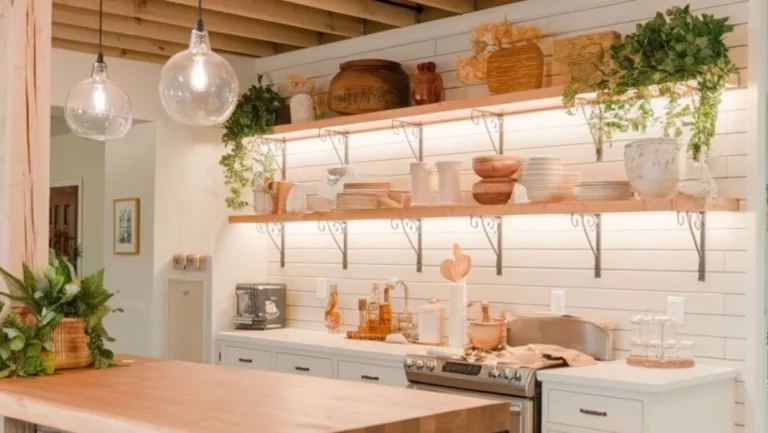
Open shelves create a more modern and airy appearance. They are perfect for displaying liquor bottles, glassware, plants, or decorative items.
Upper cabinets provide more hidden storage if you want a cleaner look.
Many homeowners combine both by using cabinets on one side and floating shelves on the other.
This area is also a great place to add a backsplash. Subway tile, stone veneer, or peel-and-stick tiles can make the bar feel more finished.
Step 6: Add Lighting and Electrical
Lighting can completely transform the mood of a basement bar.
Pendant lights above the counter create a cozy atmosphere and help define the space visually. Under-cabinet LED strips add soft accent lighting that feels upscale without costing much.
If possible, add enough outlets for mini fridges, blenders, speakers, or charging devices.
Because electrical work can involve safety risks, many homeowners hire a licensed electrician for this part.
Step 7: Finish With Trim and Paint
The final details are what make the project look polished instead of unfinished.
Install crown molding, trim pieces, or decorative panels to hide gaps and give the cabinets a built-in appearance.
Touch up paint where necessary and seal wood surfaces for protection.
Cabinet hardware also makes a surprisingly big difference. Swapping basic handles for matte black, brass, or brushed nickel hardware can instantly elevate the design.
Once the stools, decor, and lighting are added, the basement bar finally feels complete.
Basement Bar Design Ideas
There are countless ways to customize your basement bar depending on your style.
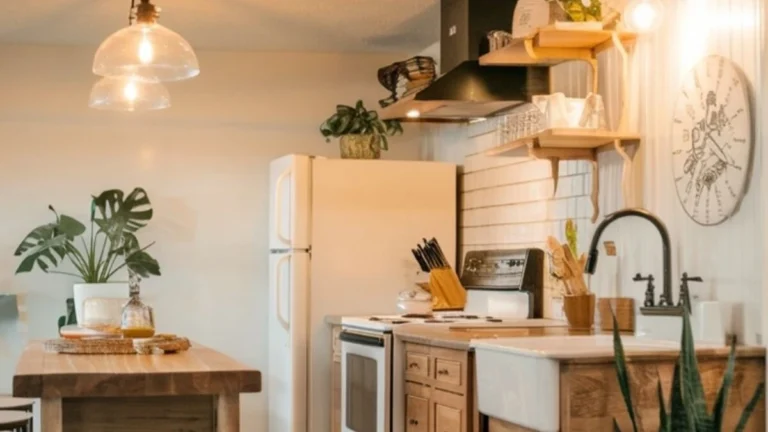
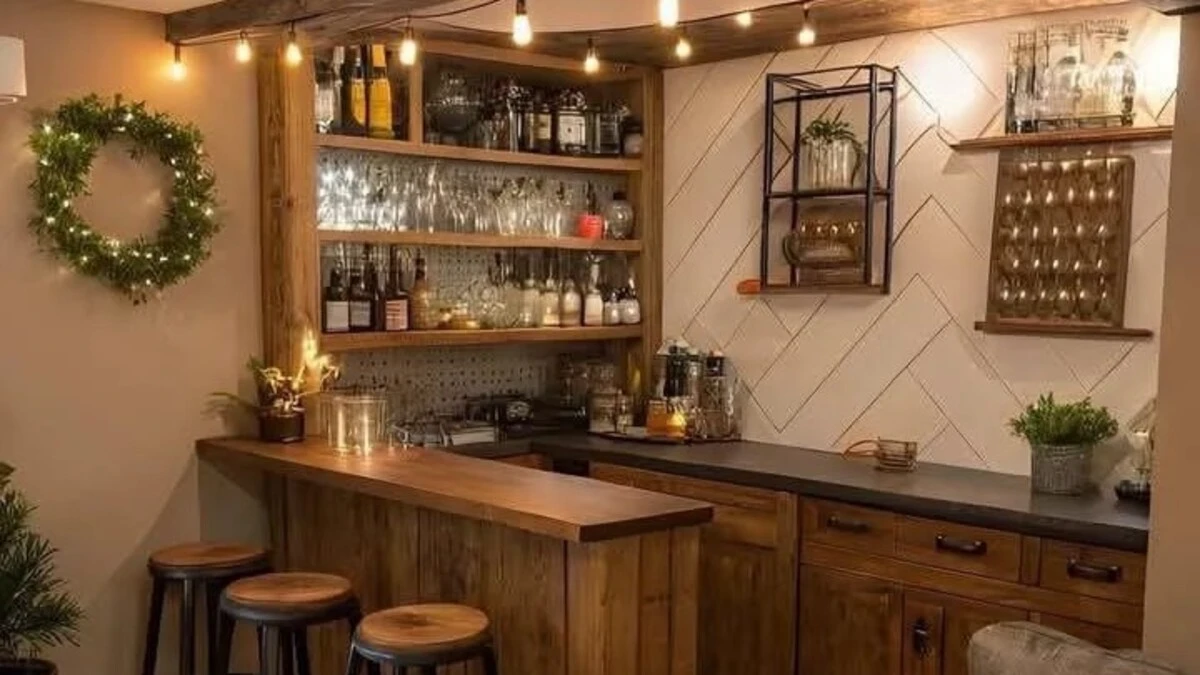
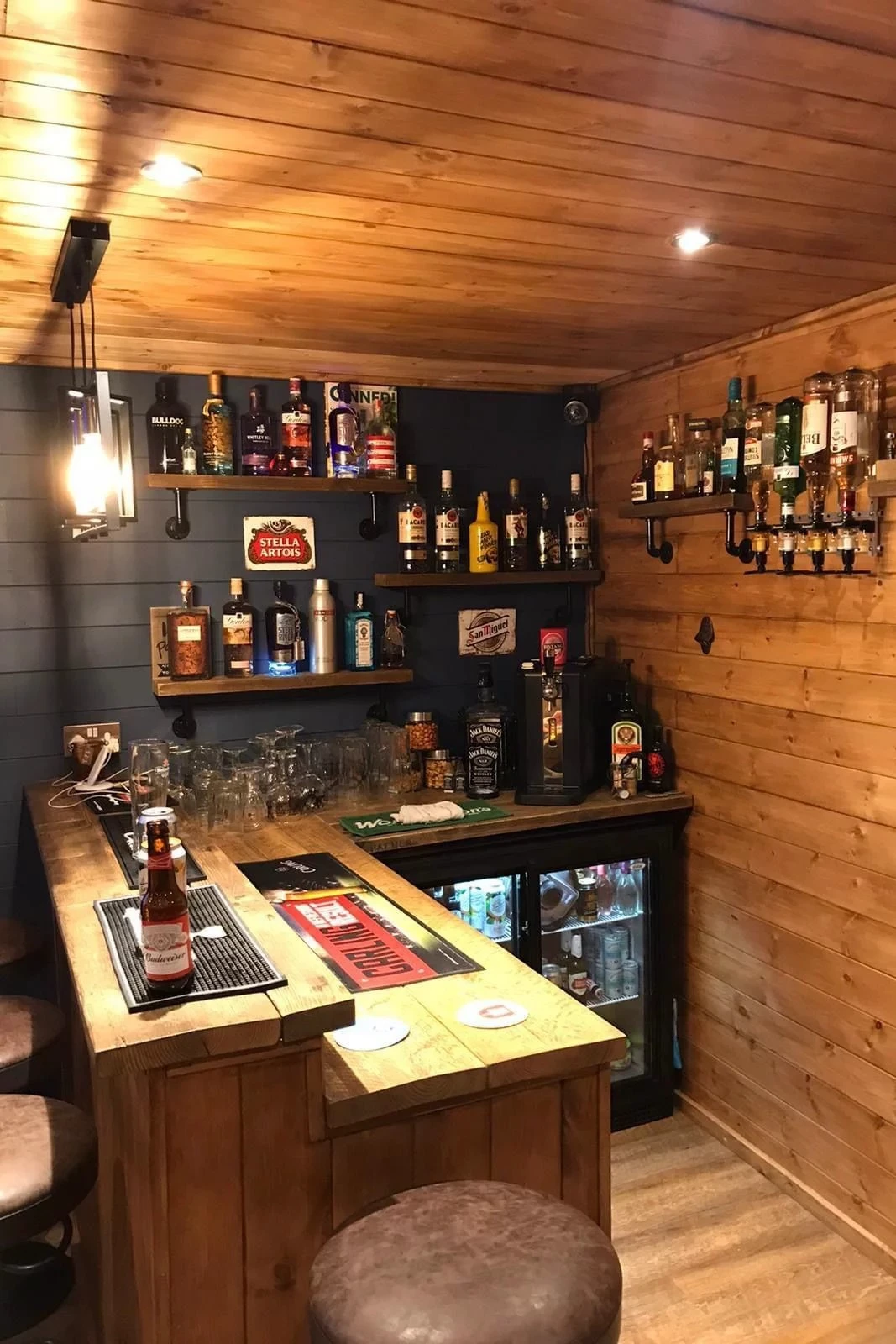
A rustic basement bar may include reclaimed wood, dark metal accents, and warm lighting.
Modern bars often use black cabinets, waterfall countertops, and minimalist shelving.
If your basement is small, a compact corner bar can still provide plenty of functionality without overwhelming the space.
Sports-themed bars are popular for entertainment rooms, while farmhouse-inspired designs create a cozy and welcoming atmosphere.
The best part about using kitchen cabinets is how flexible the design can be.
How Much Does It Cost to Build a Basement Bar?
The cost varies depending on the materials and size of the project.
A small DIY basement bar using stock cabinets and laminate countertops may cost around $1,500 to $3,000.
Mid-range projects with better finishes and lighting often fall between $4,000 and $7,000.
If you add plumbing, quartz countertops, custom trim work, and premium appliances, the total can climb much higher.
Using kitchen cabinets instead of fully custom cabinetry is usually where homeowners save the most money.
Common Mistakes to Avoid
One of the biggest mistakes is ignoring basement moisture issues before installation. Even beautiful cabinets can get damaged over time in damp conditions.
Another common problem is poor lighting. Since basements naturally receive less sunlight, layered lighting is extremely important.
Some homeowners also forget to leave enough legroom for seating, making the bar uncomfortable to use.
Finally, rushing the leveling process during cabinet installation often causes uneven countertops and visible gaps later.
Taking extra time during the early stages helps avoid expensive fixes later on.
Final Thoughts
Learning how to build a basement bar using kitchen cabinets is one of the best ways to upgrade an unfinished basement without spending a fortune.
Kitchen cabinets provide structure, storage, and style while making the entire project easier for DIY homeowners. With careful planning, the right layout, and a few finishing details, you can create a basement bar that looks custom-built and feels like a true entertainment space.
Whether your style is modern, rustic, farmhouse, or industrial, kitchen cabinets give you the flexibility to create a basement bar that fits your home perfectly.