Choosing the right floor tile for a small bathroom can completely change how the space looks and feels. The wrong choice can make it feel tight and cluttered, while the right tile can open it up, reflect light, and create a clean, cohesive style.
If you’re updating your bathroom, this guide will walk you through how to choose a floor tile style that actually works in a small space—without overcomplicating the process.
Start with Your Bathroom Size and Layout
Before thinking about colors or finishes, take a close look at your bathroom’s shape and layout. A long, narrow bathroom benefits from a different tile direction than a compact, square one. Tile placement subtly guides the eye, which affects how large the room appears.
For example, laying tiles parallel to the longest wall can help visually stretch the space. In tighter layouts, keeping the design simple prevents the floor from feeling crowded. Accurate measurements are also essential so you can plan your layout and avoid awkward cuts.
Choose the Right Tile Size
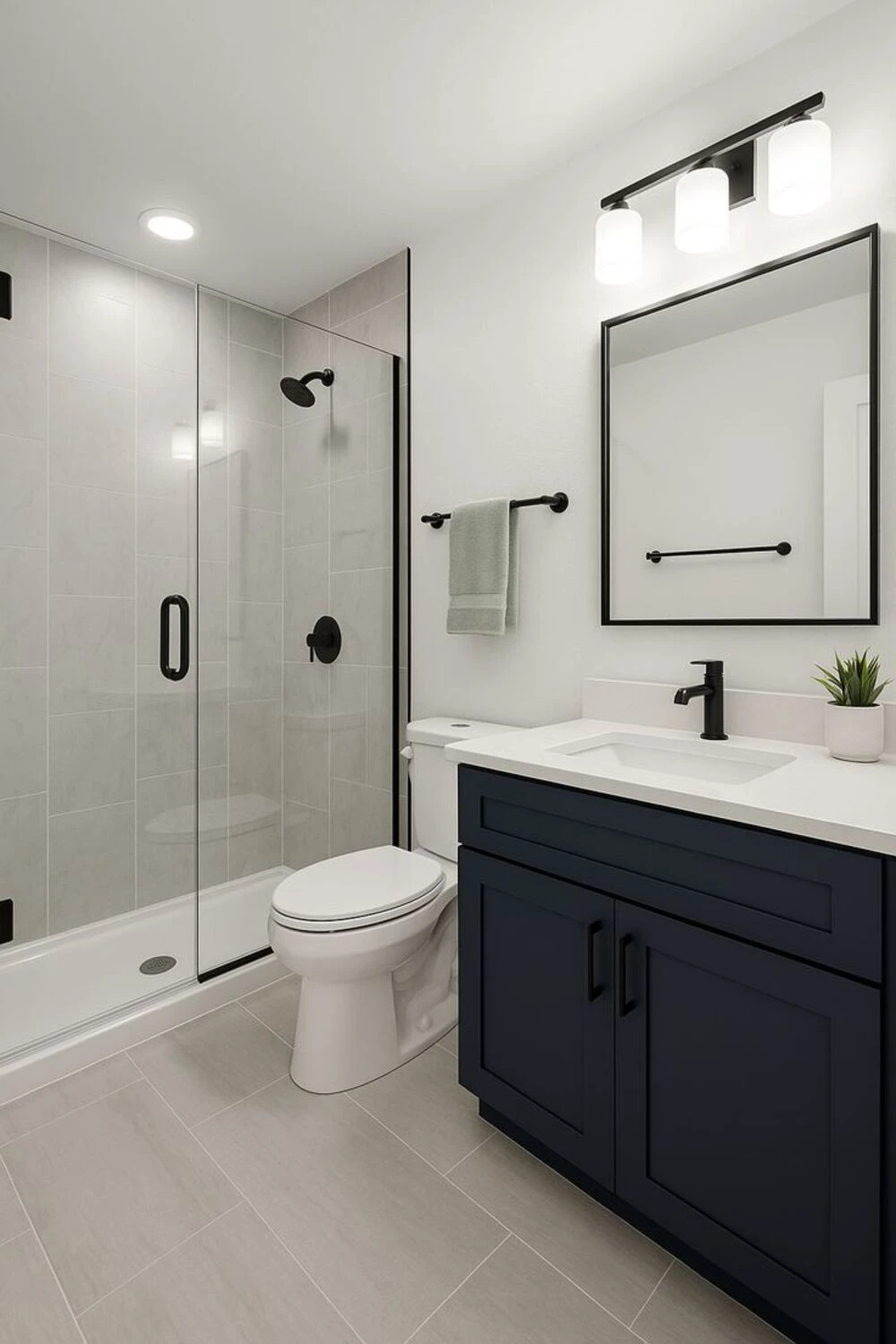
Tile size is one of the most important decisions in a small bathroom. Many people assume small tiles are the best fit, but larger tiles often create a more open look.
Large-format tiles reduce the number of grout lines, which makes the floor feel less busy and more continuous. This visual flow can make even a small bathroom appear noticeably bigger. On the other hand, very small tiles across the entire floor can break up the space and make it feel cluttered.
That said, small tiles still have their place. Mosaic tiles are commonly used in shower areas because they provide better traction. The key is to avoid using overly detailed tile patterns across the entire floor.
Pick a Color That Expands the Space
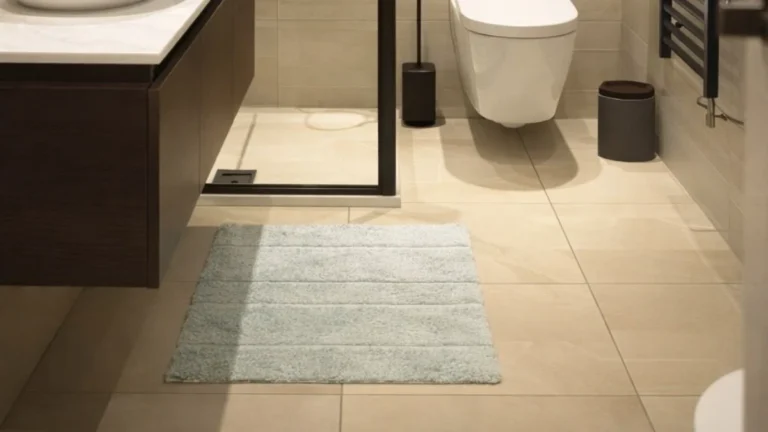
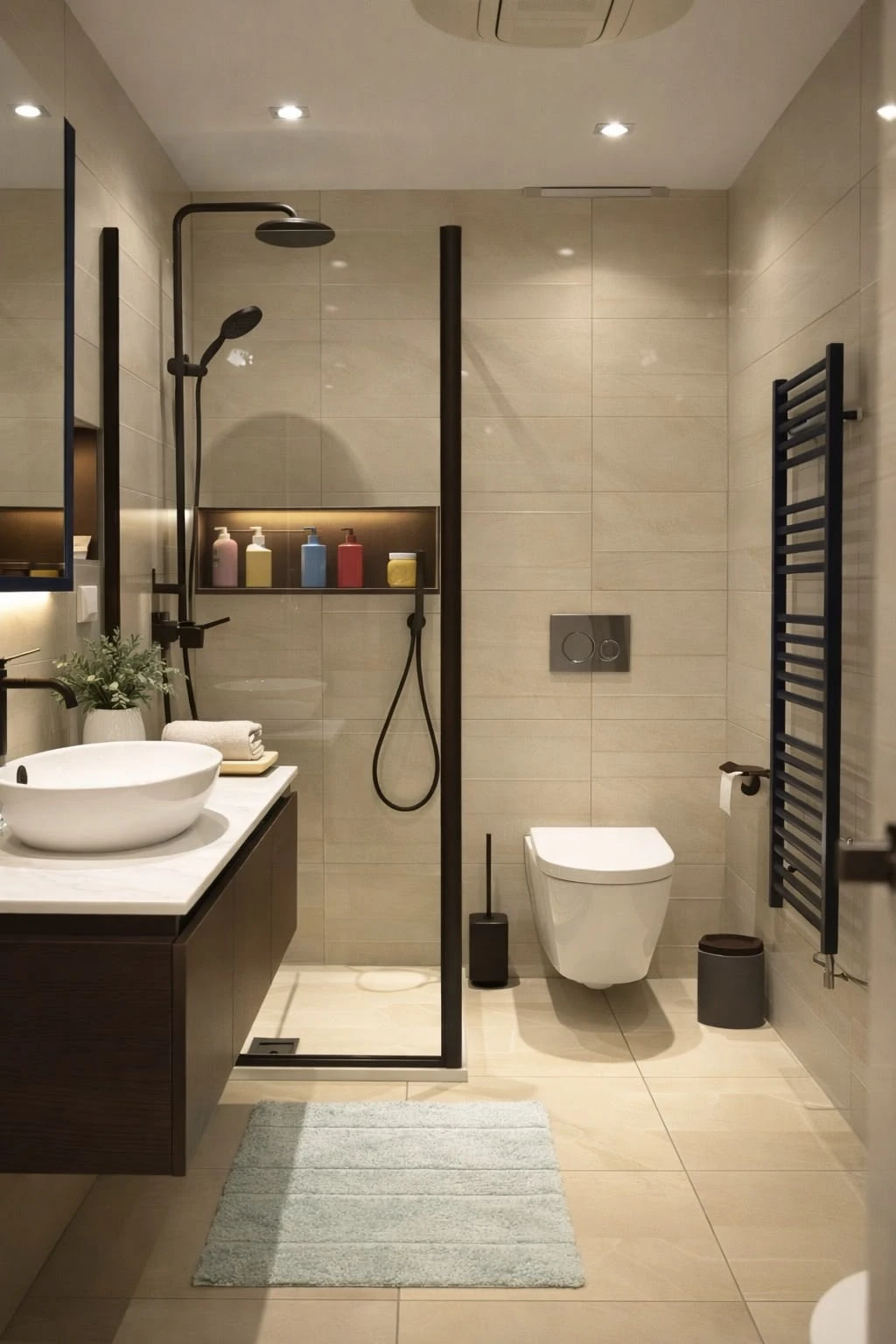
Color plays a major role in how spacious your bathroom feels. Lighter tones reflect more light, which helps create an airy and open look. Shades like white, soft gray, beige, and pale taupe are popular because they work well with almost any design style.
Darker tiles can still look great, but they tend to absorb light and visually shrink the space. If you prefer darker flooring, balancing it with lighter walls and fixtures can prevent the room from feeling too enclosed.
Consistency also matters. A uniform color across the floor helps maintain a smooth, uninterrupted appearance.
Consider Tile Patterns and Layouts
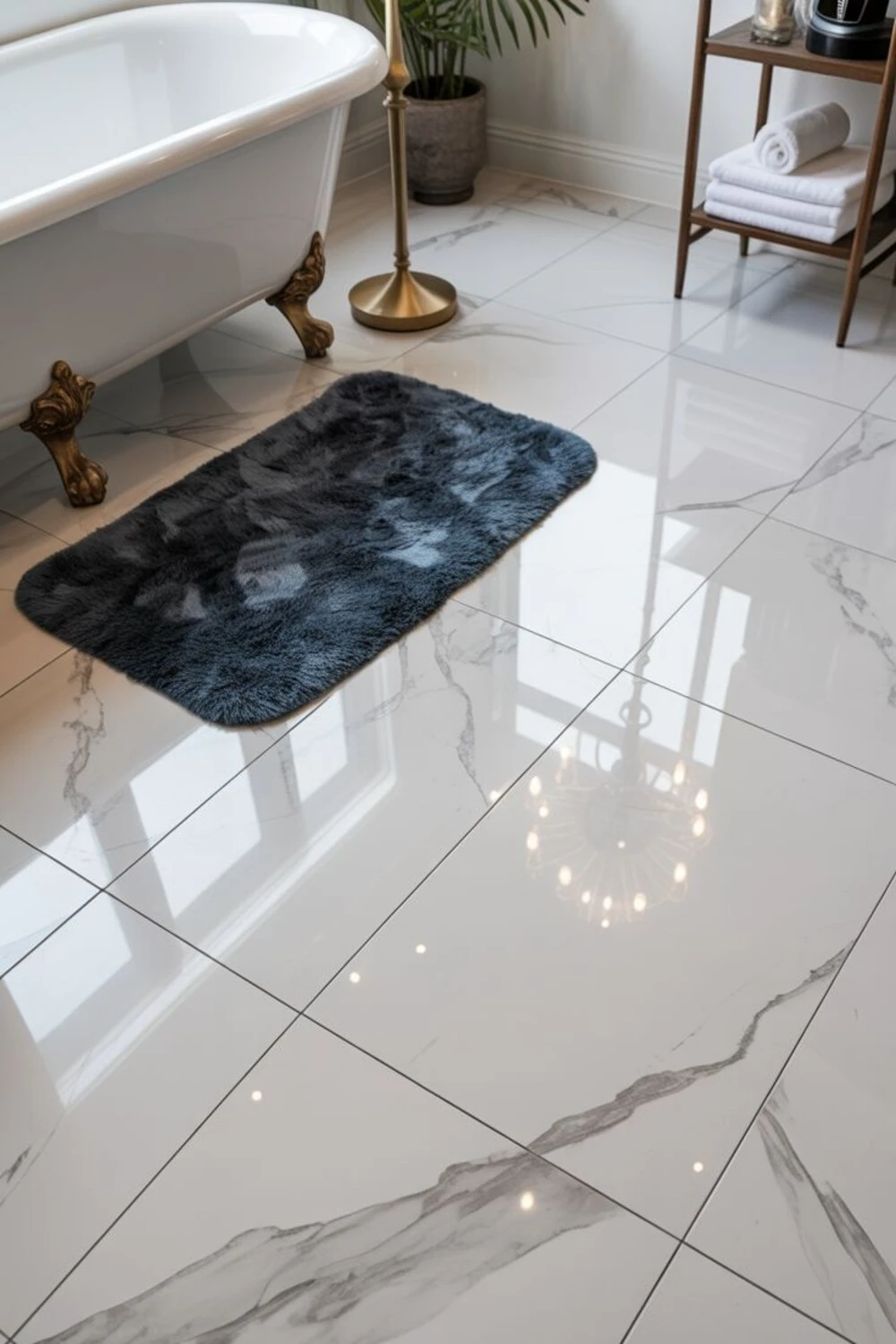
The pattern you choose can either enhance or overwhelm a small bathroom. Simple layouts tend to work best because they keep the space feeling calm and organized.
A straight lay pattern offers a clean and modern look, while a diagonal layout can make the room feel larger by drawing the eye outward. More decorative options like herringbone or chevron add movement, but they should be used carefully to avoid visual clutter.
In smaller bathrooms, subtlety usually wins. A simple pattern with a thoughtful layout often looks more sophisticated than something overly bold.
Focus on Finish and Texture
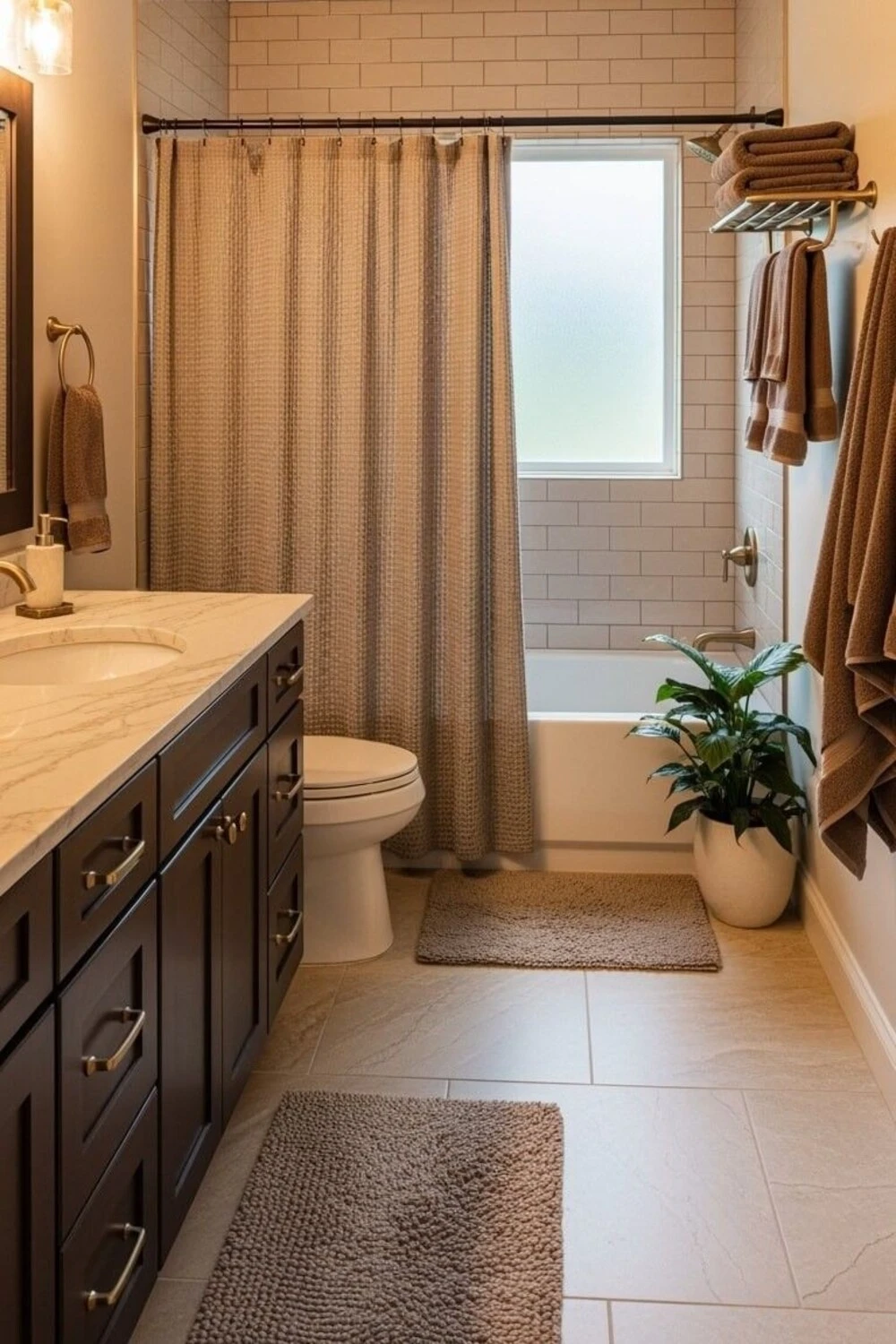
Tile finish affects both the appearance and safety of your bathroom floor. Glossy tiles reflect light and can help brighten the space, but they may become slippery when wet. Matte finishes, on the other hand, provide better traction and are generally safer for flooring.
A lightly textured surface can offer a good balance between style and practicality. This is especially important in households where slip resistance is a priority.
Think About Grout Color
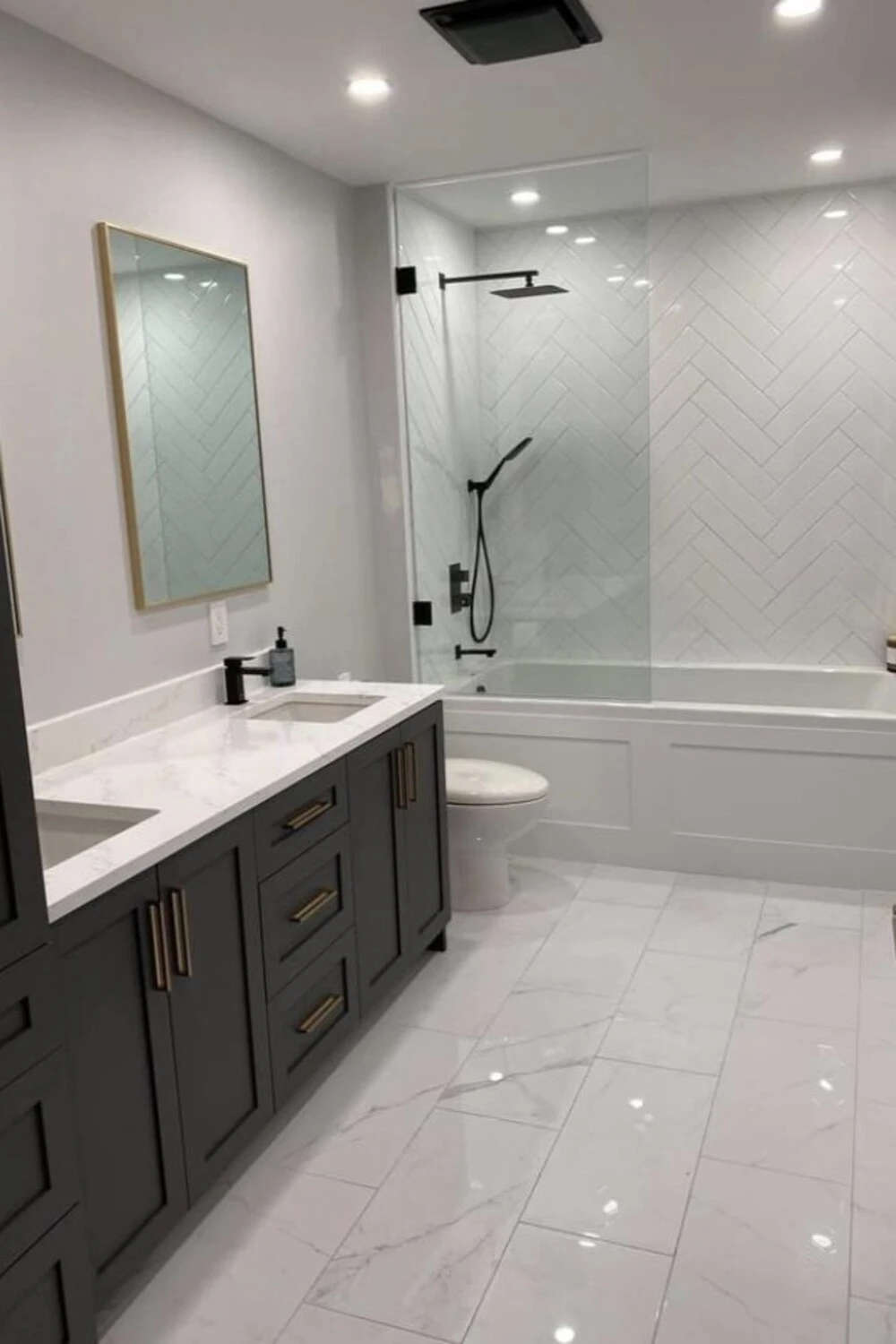
Grout has a bigger visual impact than many people expect. The color you choose can either blend the tiles together or highlight each individual piece.
Matching the grout color to the tile creates a seamless look, which helps the space feel larger. In contrast, high-contrast grout draws attention to the tile pattern and can make the floor appear busier. For small bathrooms, a blended or slightly matching grout color is usually the better choice.
It’s also worth choosing a grout that resists stains and moisture, since bathroom floors deal with constant exposure to water.
Prioritize Slip Resistance and Durability
Bathroom flooring needs to handle moisture, frequent use, and changing temperatures. That’s why durability and slip resistance should always be part of your decision.
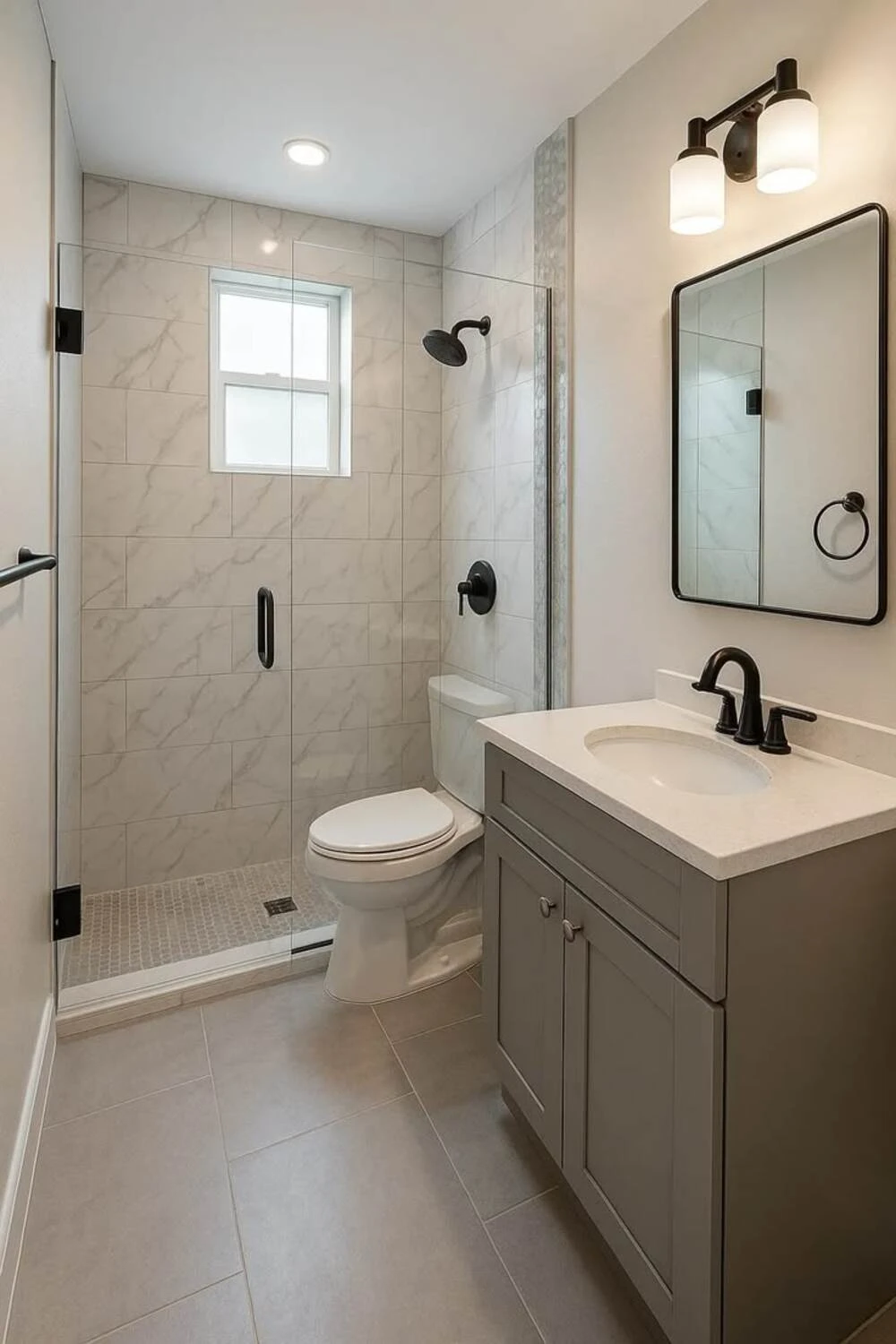
Porcelain and ceramic tiles are among the most practical choices because they are water-resistant, easy to maintain, and long-lasting. Natural stone can create a high-end look, but it often requires more upkeep and sealing over time.
No matter which material you choose, make sure it’s rated for bathroom floor use to ensure both safety and longevity.
Match Your Overall Bathroom Style
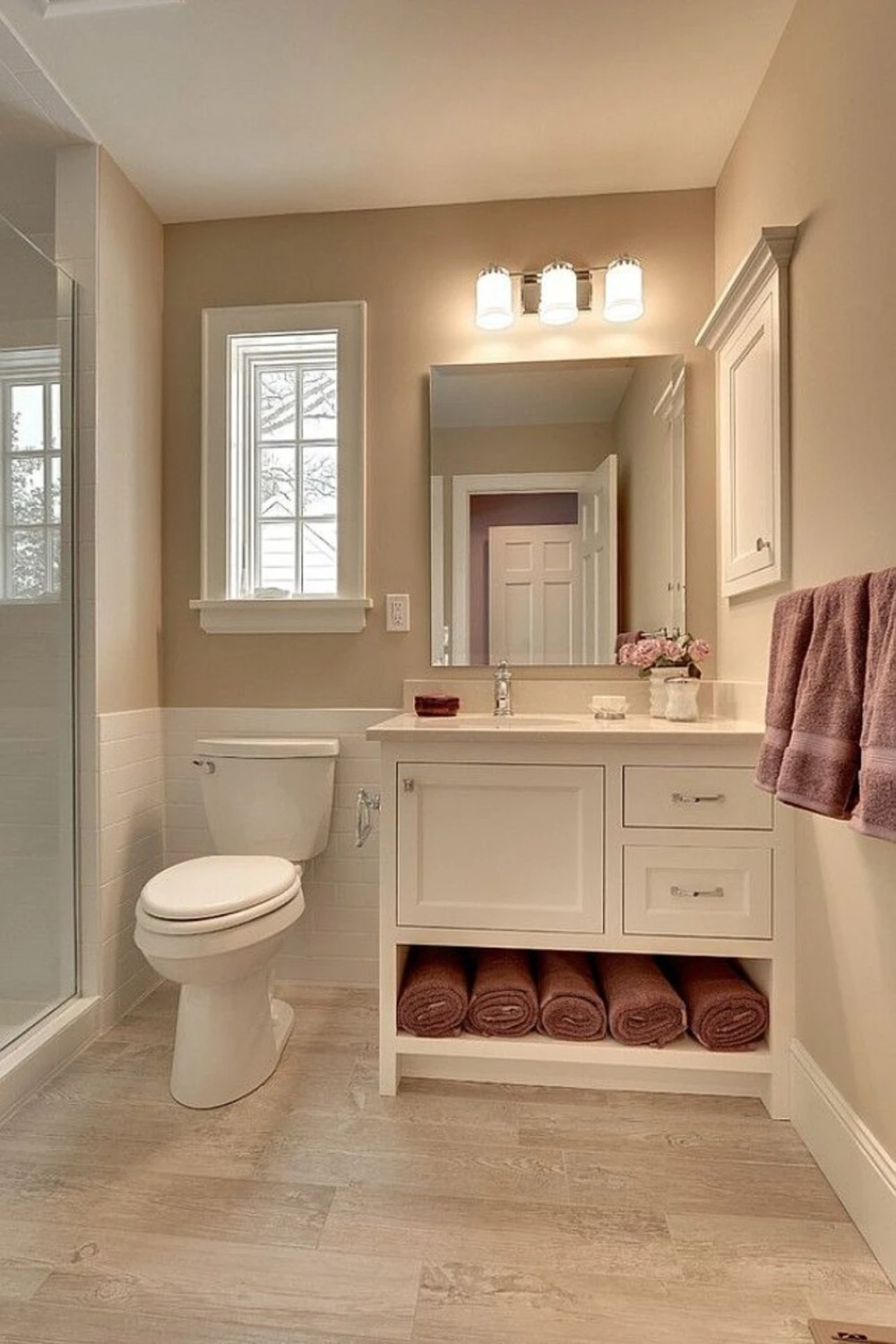
Your floor tile should complement the rest of your bathroom rather than compete with it. A modern bathroom typically works best with large-format tiles and minimal grout lines, while a farmhouse-style space might benefit from warmer tones or wood-look tiles.
The goal is to create a cohesive design where the floor, walls, and fixtures feel connected. When everything works together, even a small bathroom can feel thoughtfully designed and visually balanced.
Budget and Installation Considerations
Tile selection isn’t just about looks—it also affects your budget and installation process. Larger tiles may cost more upfront, but they often reduce installation time because there are fewer pieces to place.
More complex patterns, such as herringbone layouts, usually increase labor costs due to the extra precision required. If you’re considering natural stone, keep in mind that both the material and installation tend to be more expensive.
For homeowners with experience, tile installation can be a DIY project. However, for best results—especially in small bathrooms where precision matters—professional installation is often worth the investment.
Common Mistakes to Avoid
A few common missteps can make a small bathroom feel even smaller or less functional. Choosing overly busy designs, ignoring grout color, or focusing only on appearance instead of safety can all lead to disappointing results.
Another frequent issue is underestimating how many tiles you need. Always order extra to account for cuts, breakage, and future repairs.
Final Thoughts
Choosing the right small bathroom floor tile style comes down to making smart, balanced decisions. Larger tiles, lighter colors, simple patterns, and durable materials can all help create a space that feels bigger and works better for everyday use.
Before committing, it’s always a good idea to test tile samples in your bathroom’s lighting. Seeing how they look in your actual space can make all the difference.