Bathroom wainscoting is one of those design features that quietly does a lot of heavy lifting. It protects your walls from moisture, adds texture, and instantly elevates the overall look of your space. Whether you’re remodeling a master bath or refreshing a small powder room, the right wainscoting style can completely transform the feel of the room.
The challenge? There are so many styles, materials, and layout options that it’s easy to choose something that looks great in photos—but doesn’t quite work in your own home. This guide will walk you through everything you need to know so you can pick a wainscoting style that fits your space, your budget, and your overall design vision.
What Is Bathroom Wainscoting?
Wainscoting refers to decorative paneling installed on the lower portion of a wall. Traditionally made from wood, modern versions now include materials like MDF and PVC, making it more affordable and moisture-resistant.
In bathroom, wainscoting serves two main purposes. First, it acts as a protective barrier against splashes, humidity, and everyday wear. Second, it adds visual interest by breaking up plain walls and introducing depth, pattern, and architectural detail.
Why Wainscoting Matters in Bathroom Design
Adding wainscoting isn’t just about looks—it also improves how your bathroom functions over time. Bathrooms are high-moisture environments, and painted drywall alone can show wear pretty quickly. Wainscoting helps protect the most vulnerable part of your walls.
From a design perspective, it can:
- Make a small bathroom feel more structured and intentional
- Add warmth and texture to otherwise plain spaces
- Help balance proportions, especially in rooms with high ceilings
- Bridge the gap between traditional and modern design styles
It’s one of the few upgrades that combines practicality with strong visual impact.
Popular Bathroom Wainscoting Styles to Consider
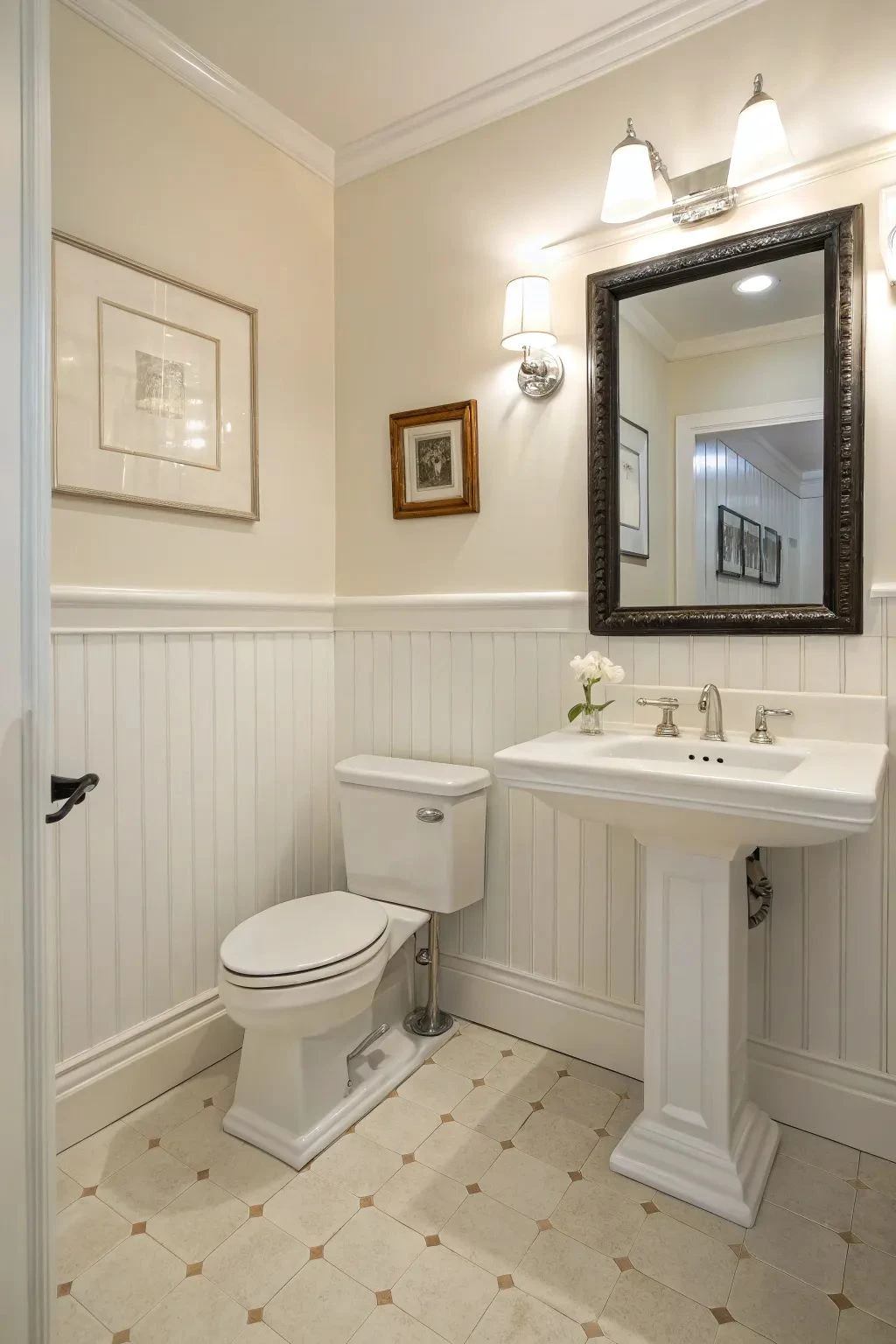
Beadboard
Beadboard features narrow vertical planks with evenly spaced grooves. It’s a go-to choice for homeowners who want a relaxed, cozy look.
This style works especially well in farmhouse, cottage, or coastal bathrooms. It’s also a great option for smaller spaces because the vertical lines can subtly make ceilings feel taller. The downside is that the grooves can collect dust and require occasional cleaning.
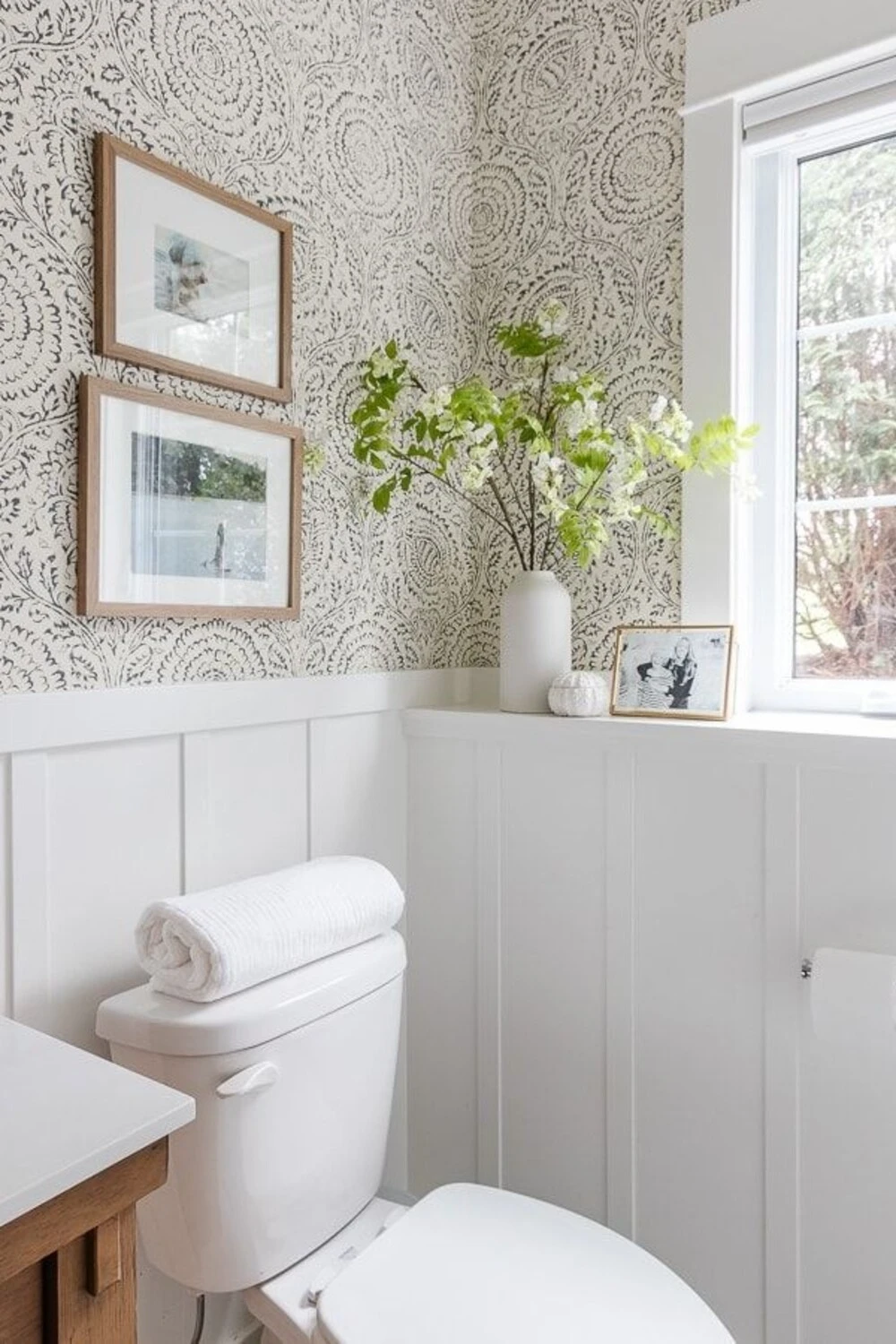
Board and Batten
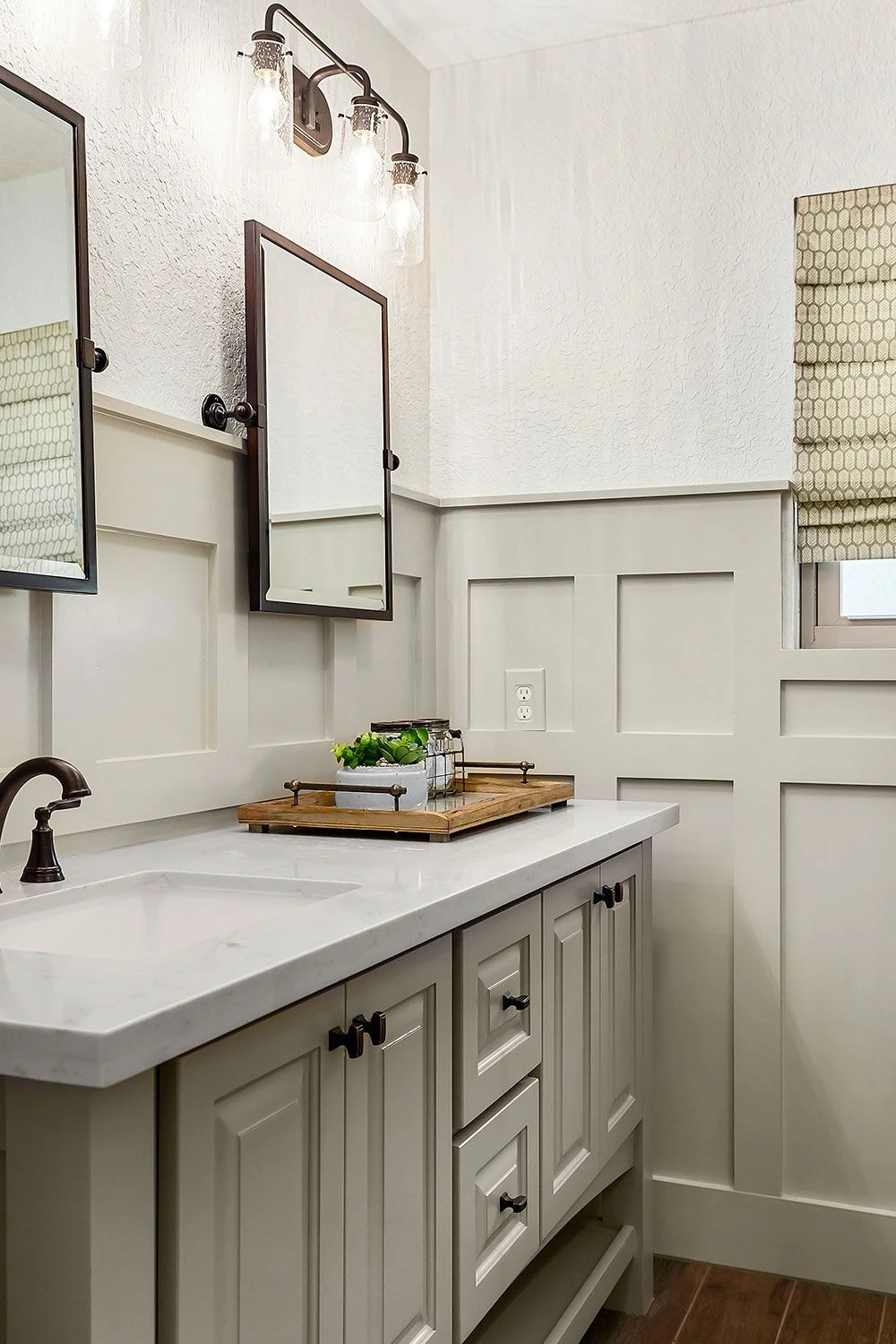
Board and batten uses wider panels with vertical strips (battens) placed on top to create a layered effect.
It’s popular in modern farmhouse and transitional homes because it adds dimension without feeling overly traditional. This style can make walls appear taller, especially when the battens are spaced strategically. It does require more planning and precise installation compared to simpler styles.
Raised Panel
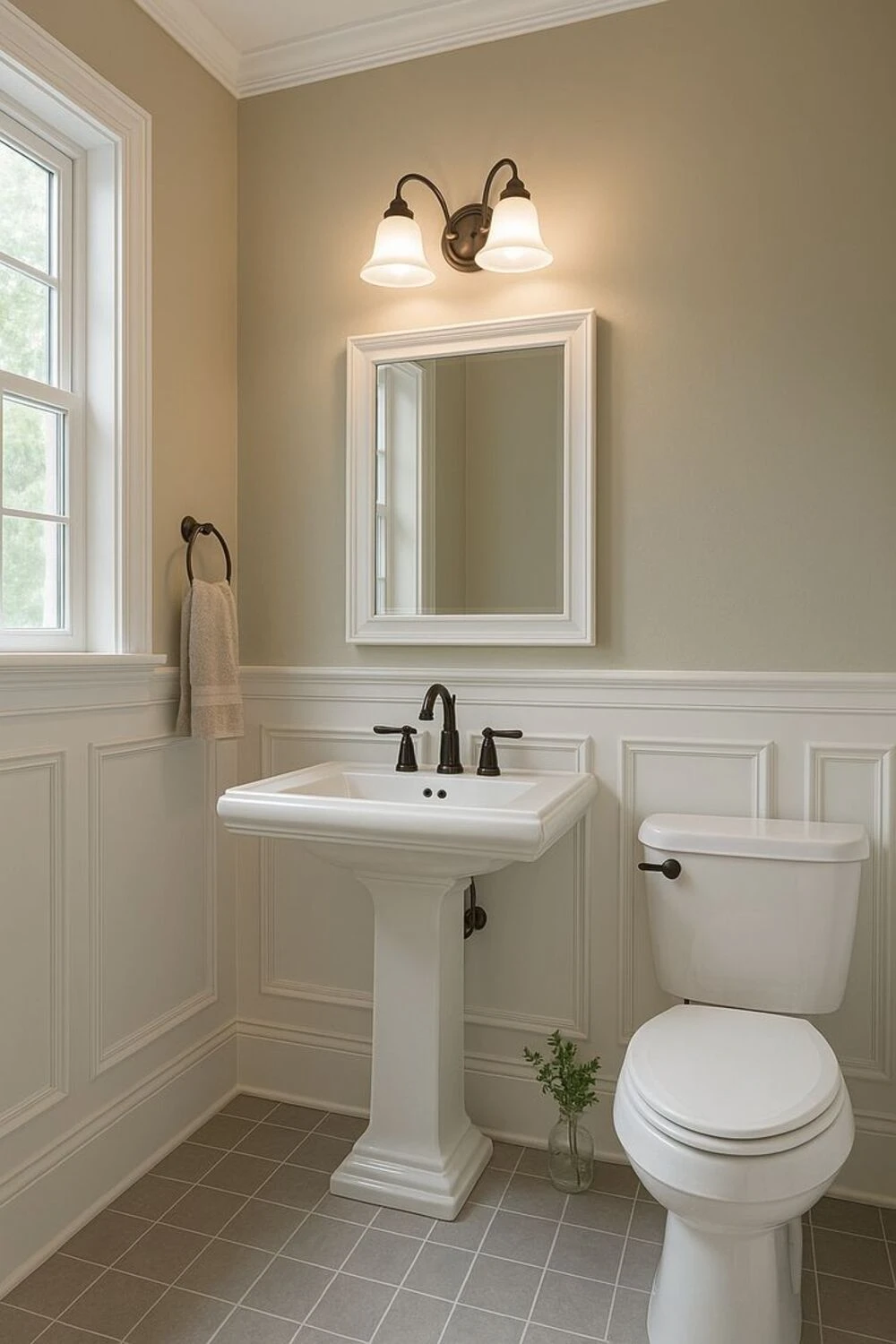
Raised panel wainscoting is a more classic, formal option with beveled edges and depth.
It’s often found in traditional or upscale bathrooms, particularly in larger spaces where the detail can really stand out. While it creates a luxurious look, it may feel too heavy or ornate for smaller bathrooms.
Flat Panel (Shaker Style)
Flat panel wainscoting, also known as Shaker style, features clean lines and recessed panels.
This is one of the most versatile options, working well in modern, minimalist, or transitional homes. It’s easier to maintain than more detailed styles and gives your bathroom a clean, uncluttered appearance.
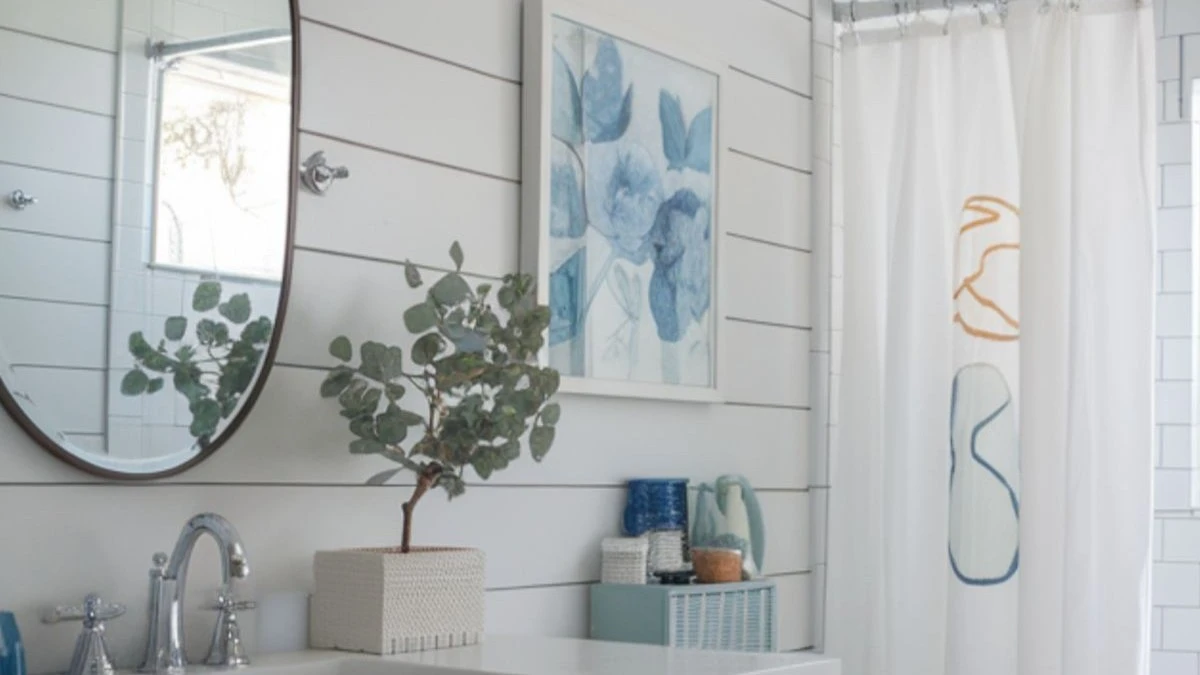
Shiplap
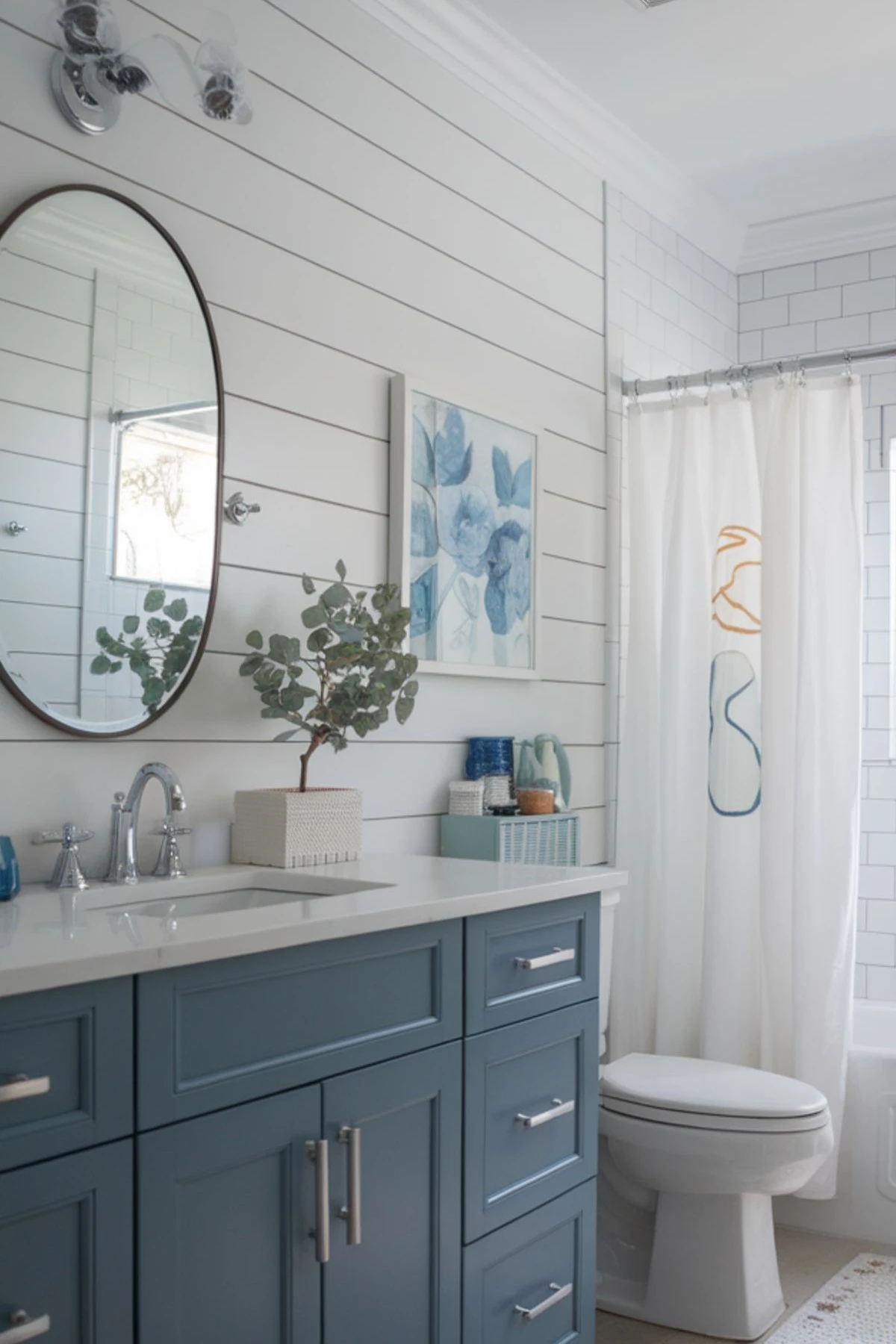
Shiplap consists of horizontal boards with slight gaps between them, creating a subtle layered look.
It’s ideal for rustic or coastal-inspired bathrooms and can visually widen a narrow space. However, like beadboard, the seams may require occasional cleaning in humid environments.
How to Choose the Right Style for Your Bathroom
Choosing the right wainscoting style isn’t just about what looks good—it’s about what works best in your specific space.
Consider Your Home’s Overall Style
Your bathroom should feel connected to the rest of your home. If your interior leans modern, a clean flat panel design will feel more natural than ornate raised panels. On the other hand, traditional homes can handle more decorative detailing.
Think About Bathroom Size
In smaller bathrooms, simpler styles like beadboard or flat panels tend to work best because they don’t overwhelm the space. Larger bathrooms can handle more detailed designs like board and batten or raised panels.
Evaluate Ceiling Height
If your bathroom has low ceilings, vertical elements like beadboard or board and batten can create the illusion of height. For narrow bathrooms, horizontal styles like shiplap can make the room feel wider.
Choose the Right Height
A common guideline is to install wainscoting at about one-third of the wall height. However, this isn’t a strict rule.
- Lower heights feel more subtle and traditional
- Taller installations create a bold, dramatic look
- Full-wall paneling can make a strong design statement
The key is to align the height with features like vanities, mirrors, or windows for a balanced look.
Pick the Right Material
Bathrooms require materials that can handle moisture and humidity.
- MDF: Affordable and smooth, but must be properly sealed
- PVC: Highly moisture-resistant and ideal for bathrooms
- Solid wood: Durable but more expensive and requires maintenance
If durability is your top priority, PVC or properly sealed MDF are usually the best choices.
Best Colors and Finishes for Bathroom Wainscoting
Color plays a huge role in how your wainscoting looks and feels.
White remains the most popular choice because it creates a clean, timeless look and reflects light well. However, darker shades like navy, forest green, or even black can add contrast and drama—especially in larger bathrooms.
When it comes to finishes, satin or semi-gloss paints are typically better for bathrooms because they’re easier to clean and more resistant to moisture than flat finishes.
Common Mistakes to Avoid
Even though wainscoting is a relatively straightforward upgrade, a few missteps can impact the final result.
- Choosing a style that clashes with your home’s overall design
- Installing it at an awkward height that cuts across fixtures
- Using materials that aren’t suited for humid environments
- Overcomplicating the design in a small bathroom
Keeping things proportional and practical will go a long way.
Budget Considerations
The cost of bathroom wainscoting can vary depending on the style and material you choose.
Simpler styles like beadboard or flat panels are generally more budget-friendly, especially if you plan to install them yourself. More intricate designs like raised panels or board and batten may require professional installation, which increases costs.
It’s also worth thinking long-term. Spending a bit more on moisture-resistant materials can save you money on repairs down the line.
Final Tips for Making the Right Choice
Before committing to a style, it’s a good idea to gather inspiration and then adapt it to your specific space. What looks great in a large, well-lit bathroom might not translate well to a smaller one.
Ordering samples, testing paint colors, and visualizing proportions can help you avoid costly mistakes. The goal is to strike a balance between style and function so your bathroom not only looks great but also holds up over time.
Conclusion
Choosing the right bathroom wainscoting style comes down to a few key factors: your home’s overall design, the size of your bathroom, the materials you use, and how you want the space to feel.
When done right, wainscoting isn’t just a decorative feature—it’s a practical upgrade that adds long-term value and style to your home.
FAQ
What is the best type of wainscoting for bathrooms?
In most cases, moisture-resistant options like PVC beadboard or properly sealed MDF panels offer the best balance between durability and style.
How high should bathroom wainscoting be?
A common rule is one-third of the wall height, but taller installations can create a more dramatic and modern look.
Can you install wainscoting in a small bathroom?
With simple designs and light colors, wainscoting can actually make a small bathroom feel more open and polished.
Is wainscoting still in style for bathroom?
Wainscoting remains a timeless design feature and continues to be popular in both modern and traditional bathrooms.