
Easter is a joyful spring holiday celebrated around the world, known for its bright colors, festive meals, and fun traditions. Among its most recognizable symbols are Easter eggs. But why are eggs so closely tied to this holiday? The story of Easter eggs combines ancient symbolism, Christian traditions, and cultural customs that have evolved over centuries.
Eggs as a Symbol of New Life
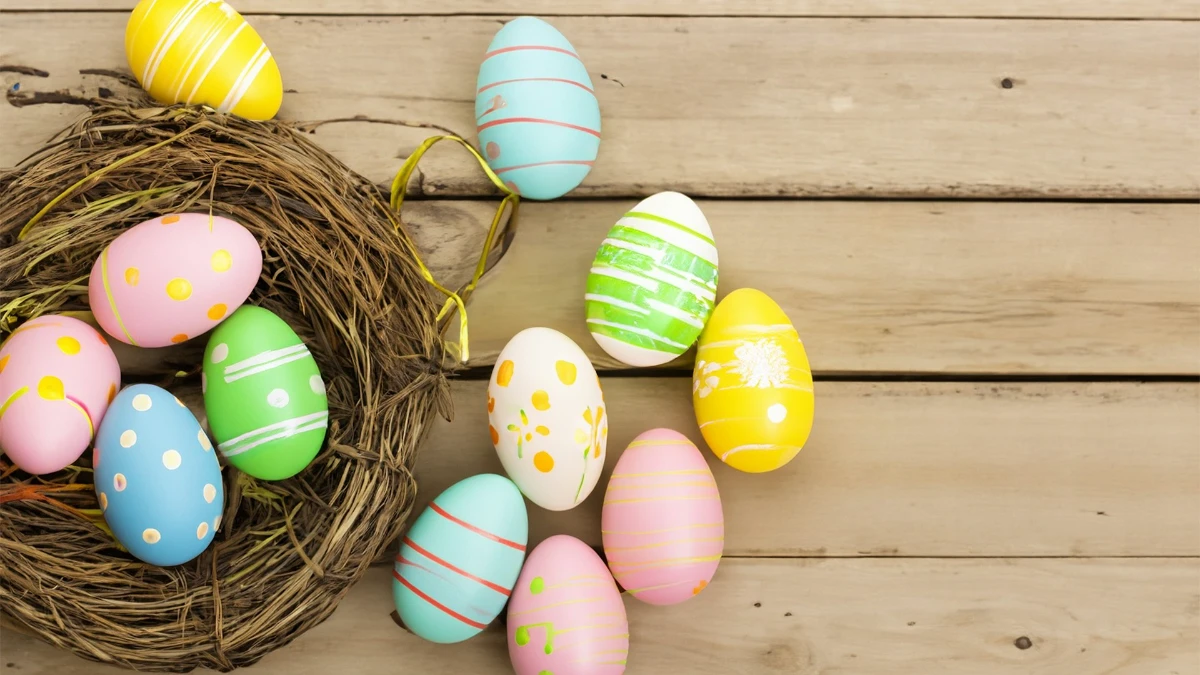
Long before Easter became a Christian holiday, eggs were considered a symbol of new life and fertility in many cultures. Spring, after all, is a time of renewal—plants begin to bloom, animals give birth, and the days grow longer. Eggs naturally fit into this theme, representing the start of new life. This association made eggs a natural symbol for celebrating the arrival of spring.
Christian Significance of Easter Eggs
When Christianity spread through Europe, the egg took on additional religious meaning. Eggs became a symbol of Jesus Christ’s resurrection. Just as life emerges from an egg, the resurrection represents new life after death. In this way, Easter eggs became more than just a seasonal tradition—they became a meaningful emblem of faith and hope, symbolizing spiritual renewal.
Historical Easter Egg Traditions
Easter egg traditions date back to medieval Europe. People would often give eggs as gifts during Lent, a period when they were forbidden to eat them. Decorating eggs became a way to mark the end of this fasting period and celebrate Easter with a festive touch. In some countries, egg rolling competitions became popular, symbolizing the rolling away of the stone from Jesus’ tomb. Over time, different regions developed unique ways to celebrate, blending religious and cultural practices.
The Practice of Decorating Easter Eggs
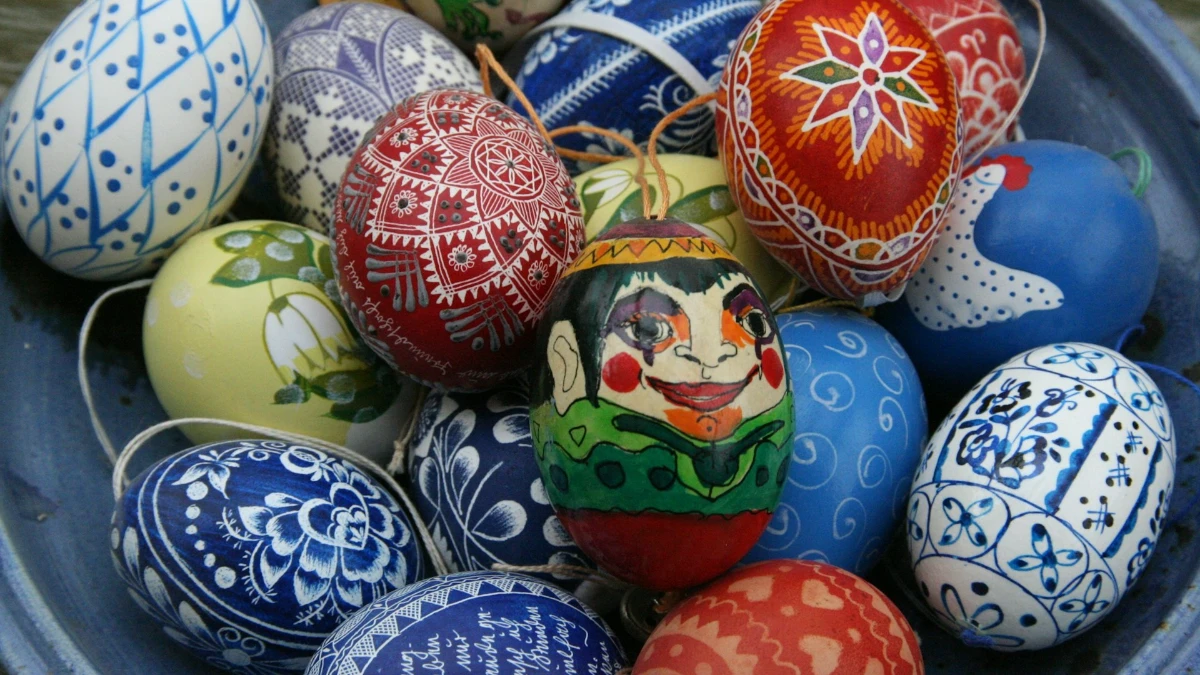
Decorating eggs has been a central part of Easter celebrations for centuries. Early methods included boiling eggs and painting them with natural dyes from plants, berries, and spices. These colorful designs were meant to reflect the vibrancy of spring. Today, decorative techniques range from traditional hand-painted patterns to store-bought kits and elaborate commercial designs, but the core idea remains: transforming a simple egg into a festive, meaningful symbol.
Modern Easter Egg Celebrations
In modern society, Easter eggs have taken on a playful and commercialized twist. Chocolate eggs, plastic eggs filled with candy, and Easter egg hunts are now staples of the holiday. Families hide eggs in their yards, and children search for them with baskets in hand. While these practices are fun and lighthearted, they also preserve the deeper symbolism of celebration, renewal, and togetherness.
Fun Facts and Global Variations
Easter egg traditions vary worldwide. In Russia, the famous Fabergé eggs were created as luxurious, intricately designed gifts for the royal family. In Bulgaria and other Eastern European countries, egg tapping competitions are held to see whose egg can withstand a gentle tap without cracking. Even the colors of the eggs often carry meaning—red for Christ’s blood, green for spring and growth, and gold for celebration and joy. These variations highlight the universal appeal and creativity inspired by Easter eggs.
Conclusion
Easter eggs are more than just a fun seasonal activity—they are a symbol of life, hope, and renewal. From ancient fertility symbols to Christian traditions, and from medieval customs to modern egg hunts, eggs have become a central part of Easter celebrations. Today, whether you are decorating eggs at home, enjoying chocolate versions, or hiding them for children, Easter eggs continue to represent joy, renewal, and the spirit of community.