
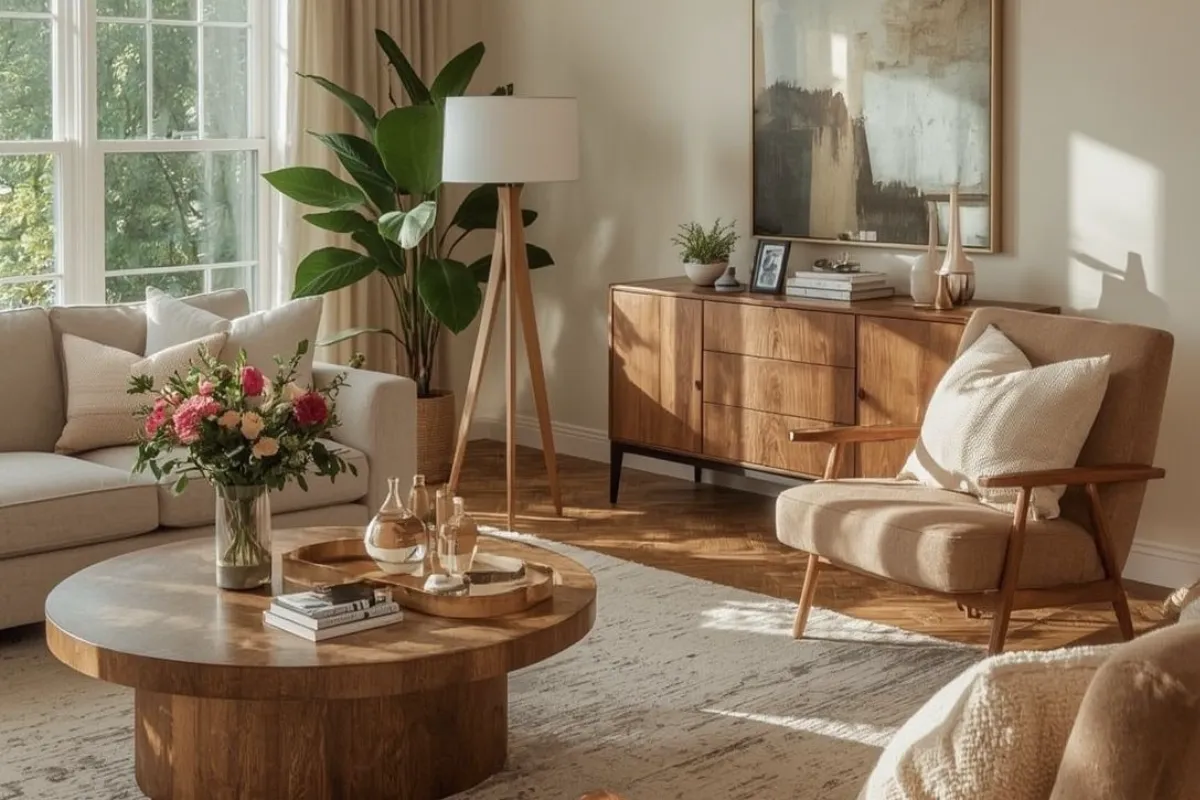
The living room is one of the most important spaces in your home. It’s where you relax, entertain guests, and spend time with family, which makes it a key area for feng shui. Feng shui focuses on how energy—often called chi—flows through a space and how that energy affects comfort, mood, and well-being.
Arranging your living room with feng shui principles doesn’t mean following strict rules or redesigning everything. Small, thoughtful changes to furniture placement, lighting, and décor can significantly improve energy flow and create a space that feels balanced and inviting.
1. Start with a Clear and Clutter-Free Space
Clutter is one of the biggest obstacles to positive energy flow. Too many items in the living room can block movement and create a sense of stress or heaviness.
Begin by removing unnecessary furniture, stacks of papers, or unused décor. Keep surfaces clear and store items you don’t use daily out of sight. A clean, open space allows energy to move freely and instantly makes the room feel calmer.
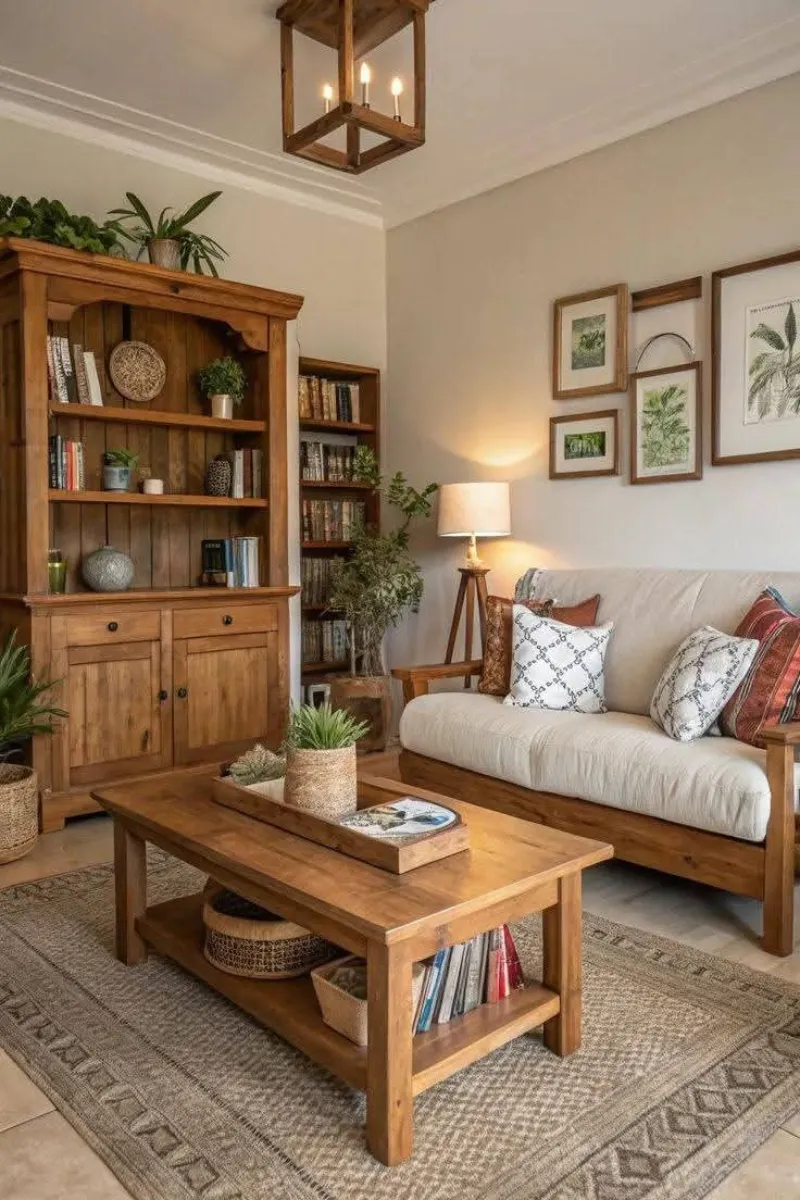
2. Place the Sofa in the Command Position
In feng shui, the command position refers to placing key furniture where you can see the main entrance without being directly in line with it. For the living room, this usually means positioning the sofa so it faces the door or has a clear view of it.
Avoid placing the sofa with its back to the entrance whenever possible. This setup promotes a sense of security and relaxation, allowing you to feel grounded and comfortable in the space.
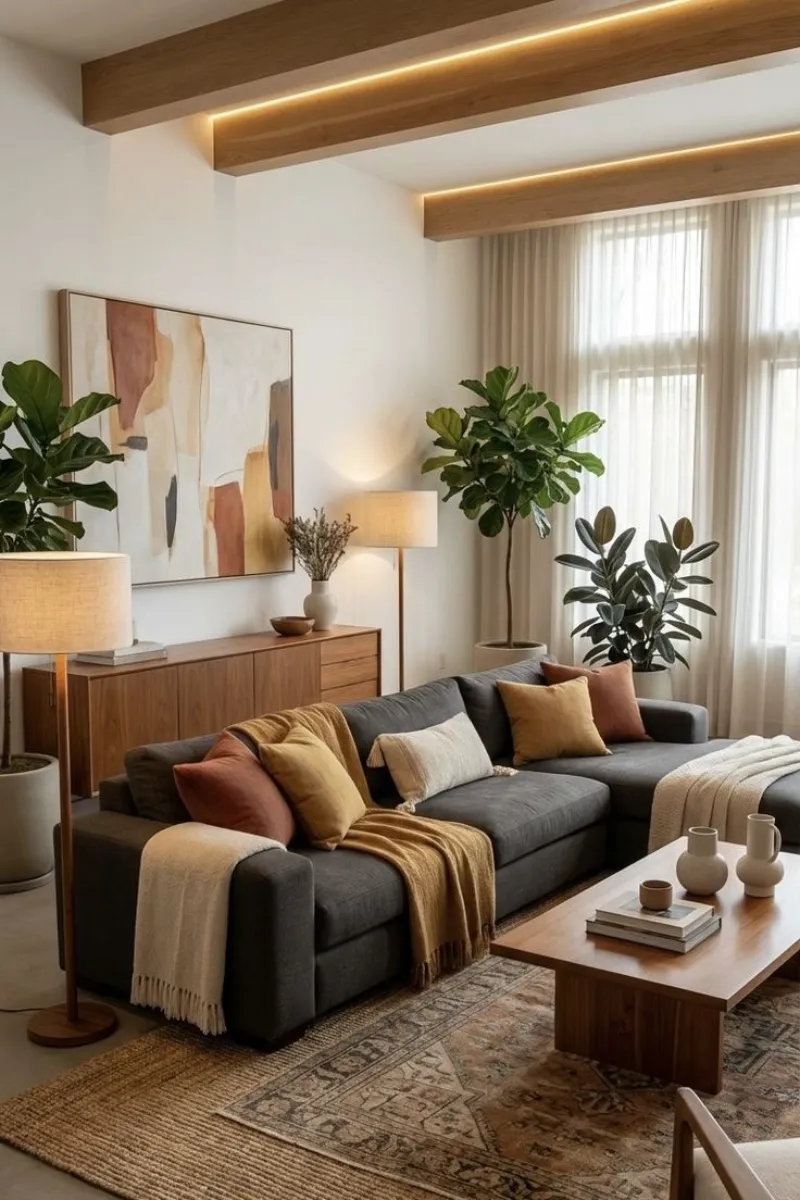
3. Create a Balanced Furniture Layout
Balance is essential for good feng shui. Instead of pushing all furniture against the walls, aim for a layout that encourages conversation and easy movement.
Arrange seating in a way that feels welcoming and symmetrical, using chairs or side tables to balance the sofa. Make sure pathways are clear and allow energy to flow smoothly throughout the room.
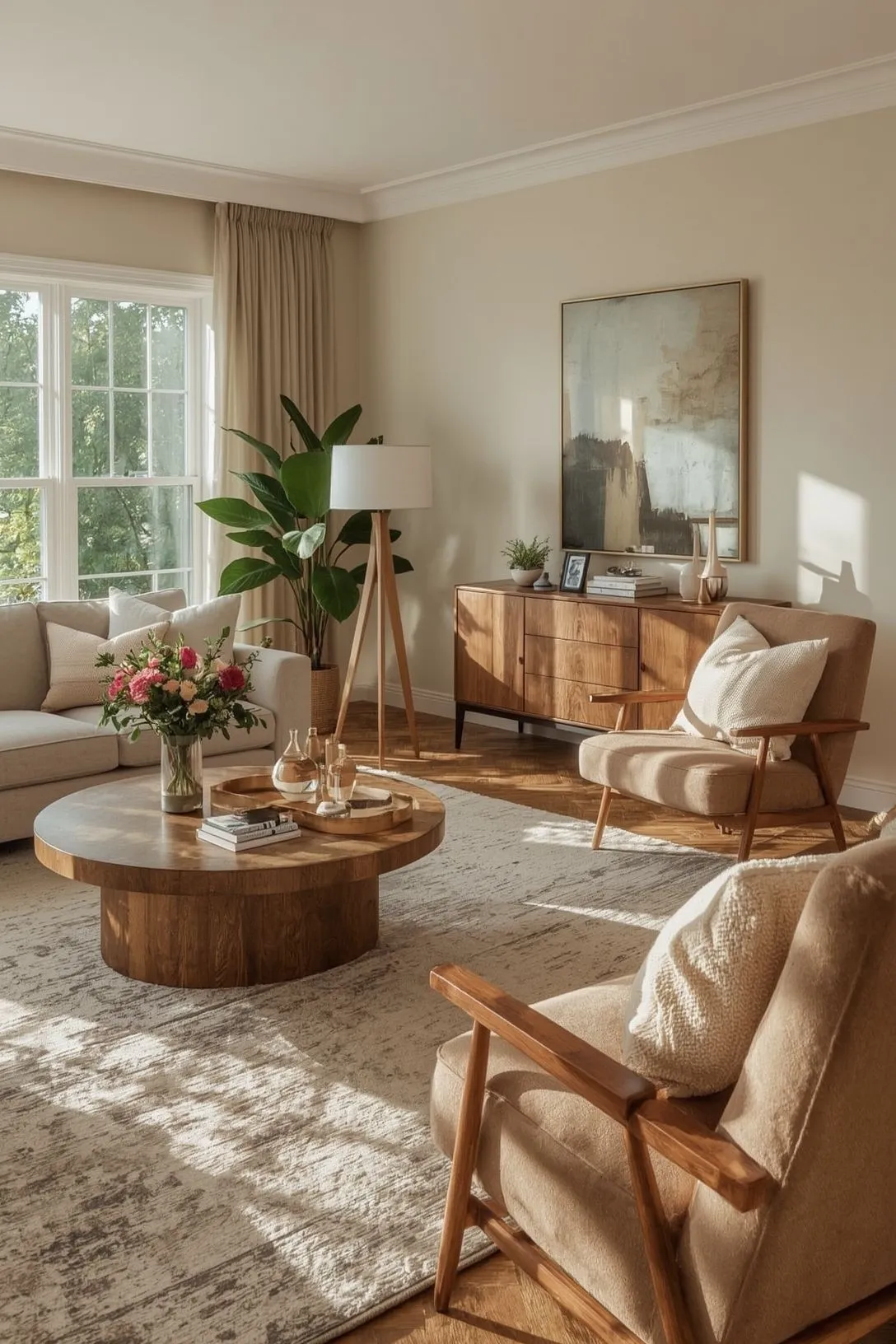
4. Use Natural Light and Proper Lighting
Light plays a major role in feng shui. Natural light brings positive energy and makes a living room feel more alive and open. Keep windows clean and avoid heavy curtains that block sunlight.
In the evening, use layered lighting—such as table lamps, floor lamps, and wall sconces—to create warmth and balance. Avoid harsh overhead lighting that can feel overwhelming.
5. Choose Feng Shui-Friendly Colors
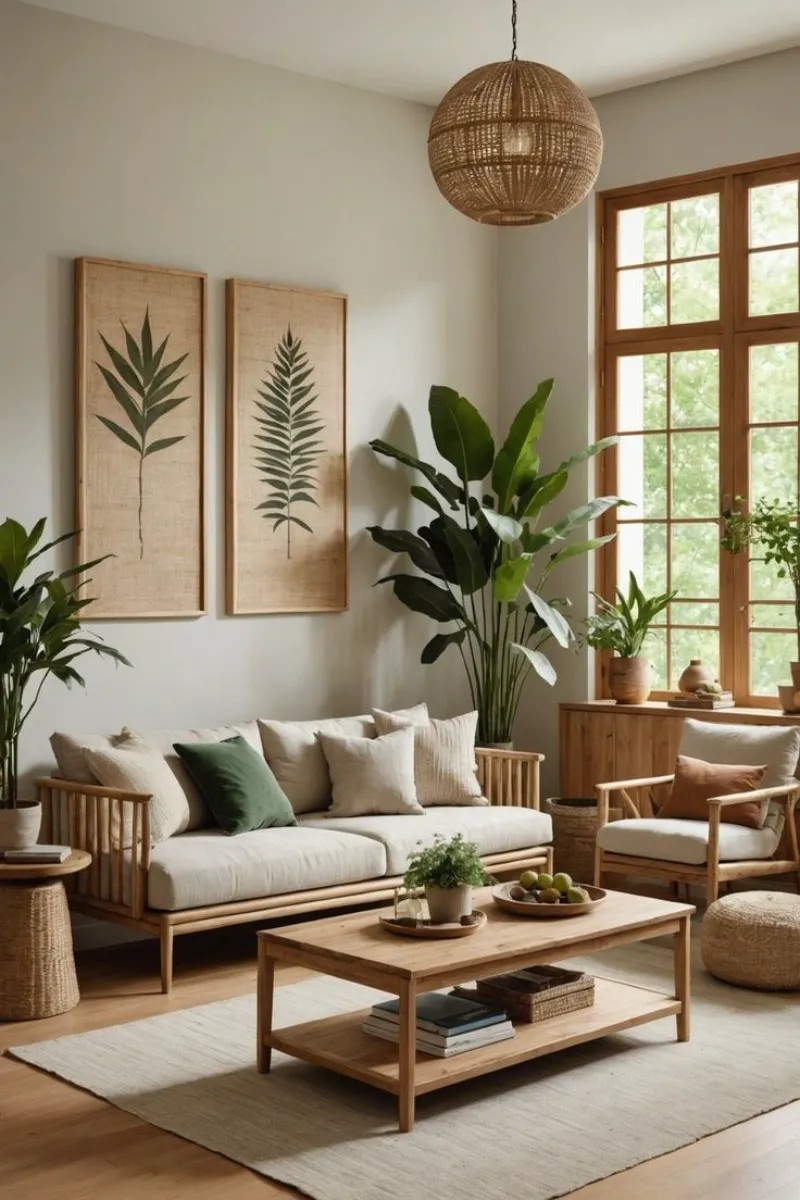
Color influences mood and energy. Soft neutrals, warm earth tones, and gentle greens and blues are commonly recommended for feng shui living rooms.
Balance calming colors with small accents of warmth to avoid a space feeling dull. The goal is harmony—not extremes—so choose colors that feel comfortable and inviting to you.
6. Add Natural Elements for Harmony
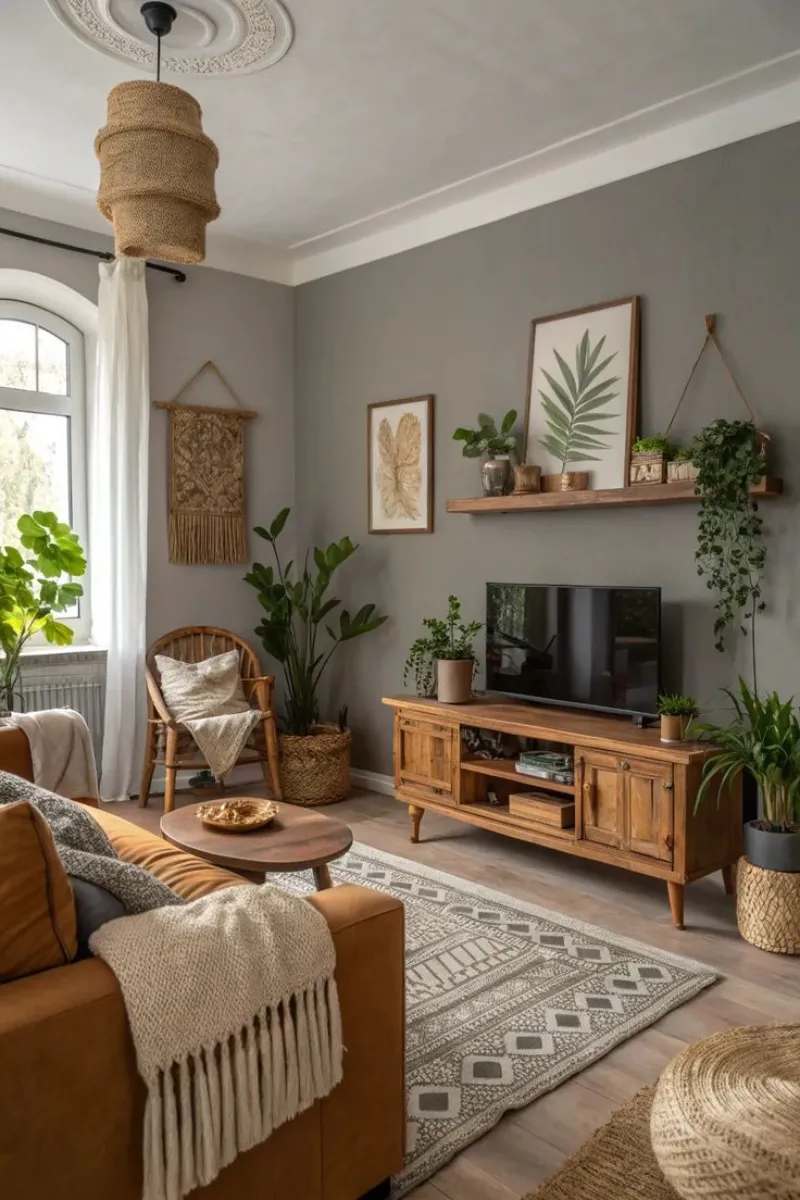
Feng shui is based on five elements: wood, fire, earth, metal, and water. Incorporating these elements in subtle ways helps create balance.
Plants represent wood and bring life into the room. Natural fabrics, stone décor, or wooden furniture add warmth and texture. You don’t need all elements to be obvious—small touches are enough to improve harmony.
7. Arrange Decor with Intention
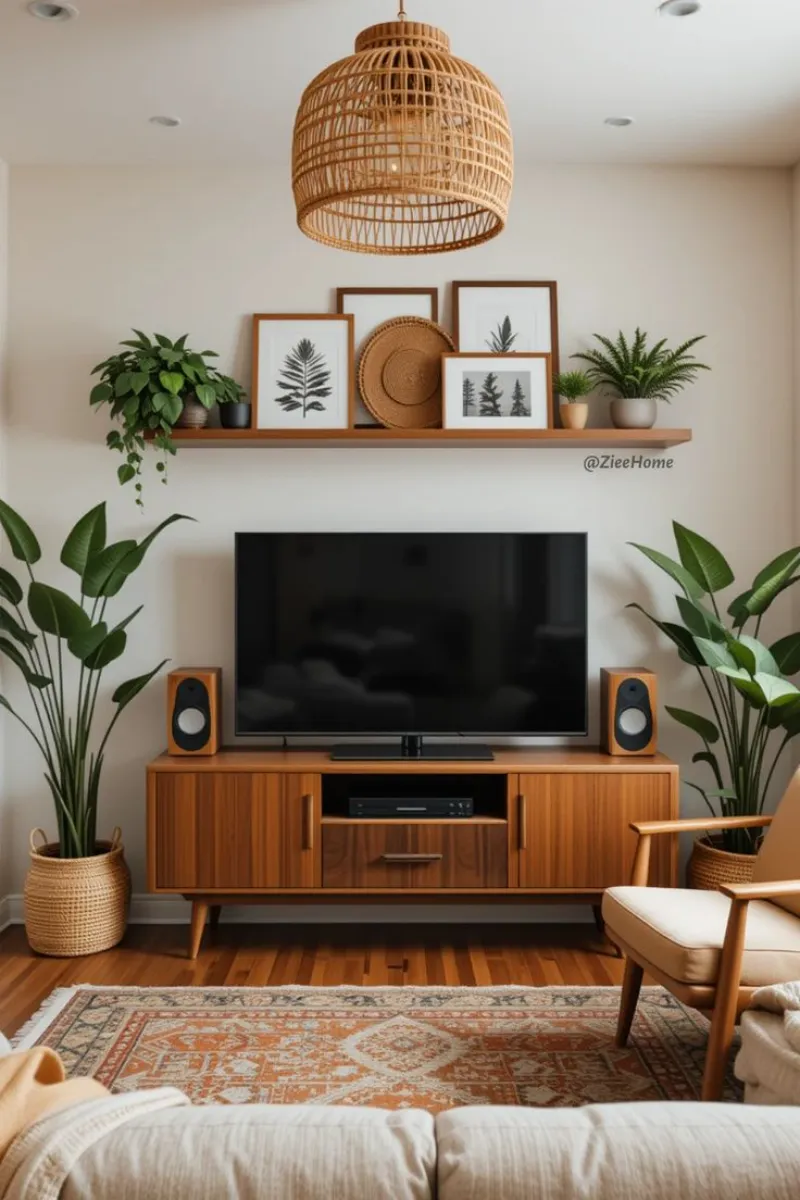
Every item in your living room should have a purpose. Choose artwork, mirrors, and décor that reflect positive emotions and personal meaning.
Avoid sharp or aggressive shapes, especially in seating areas. Soft lines, rounded furniture, and calming imagery help maintain a peaceful energy flow.
8. Position the TV and Electronics Mindfully
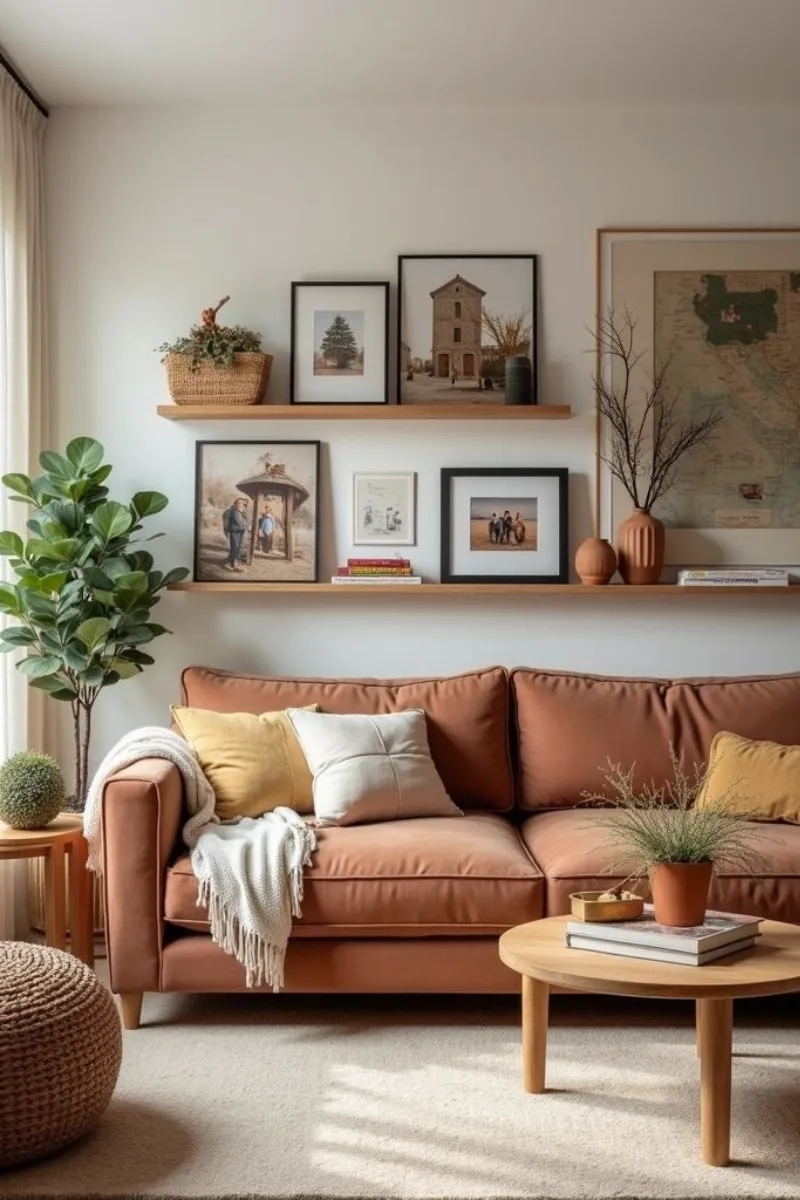
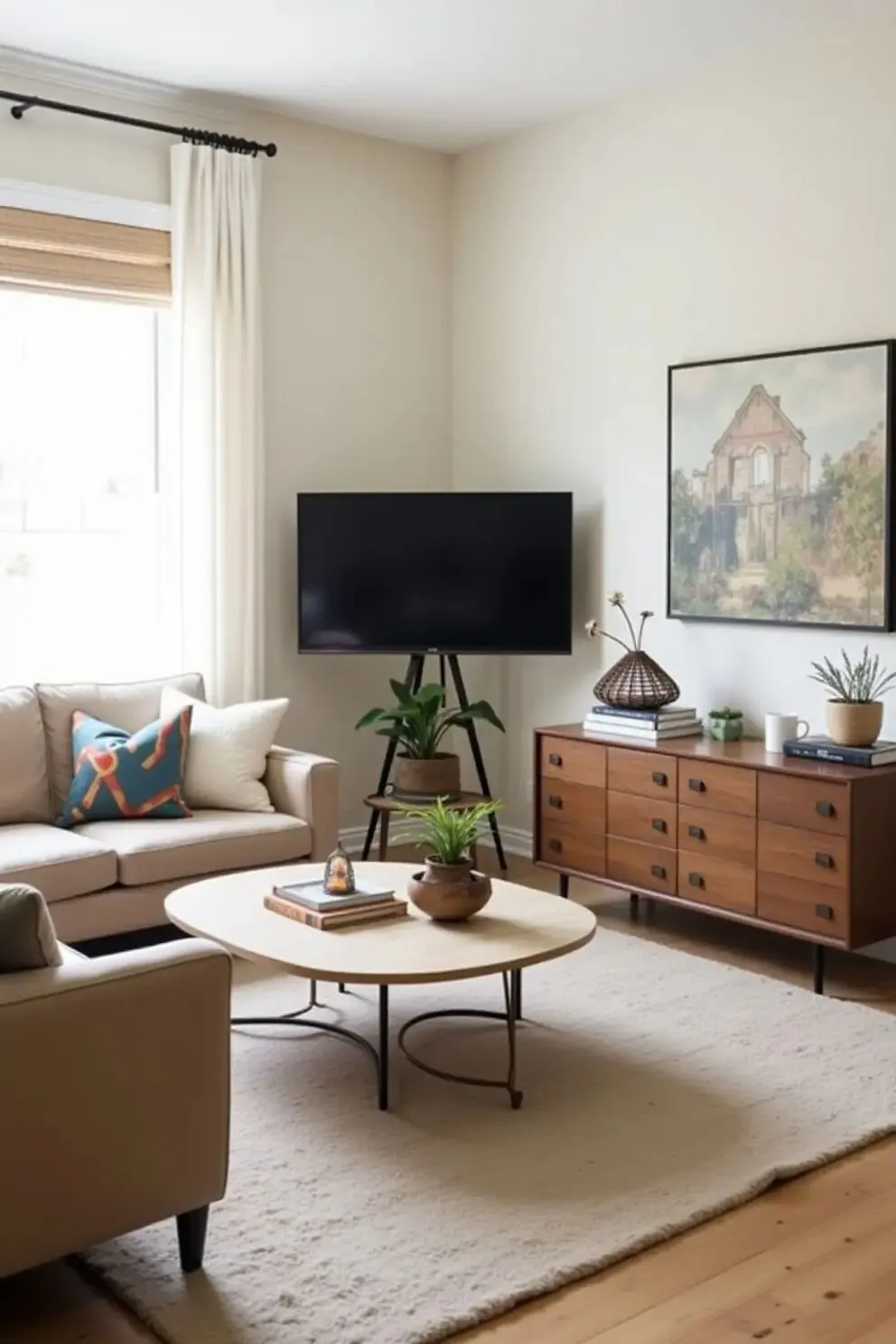
Electronics can disrupt energy if they dominate the room. Place the TV so it doesn’t overpower the main seating area or block natural pathways.
When not in use, consider covering the TV with a cabinet or decorative panel. This helps reduce visual distraction and keeps the living room feeling calm and balanced.
9. Improve Energy Flow with Rugs and Pathways
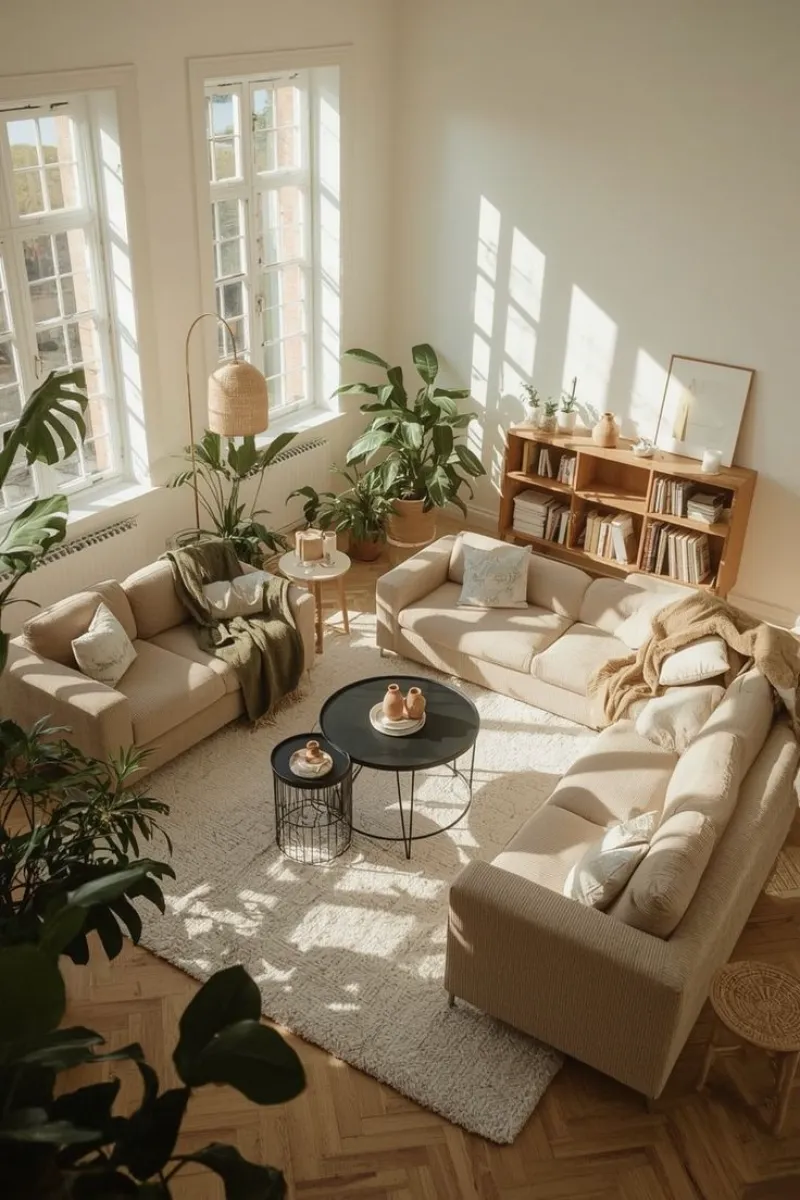
Rugs can help define areas and guide energy flow. Use them to anchor seating arrangements and create clear zones within the living room.
Make sure walkways are unobstructed and feel natural. Energy should move smoothly through the room without sharp turns or blocked paths.
10. Maintain Balance Over Time
Feng shui isn’t a one-time setup. As your life changes, your space should adapt too. Regularly reassess your living room and make adjustments as needed.
If something feels off, trust your instincts. Comfort and balance are the ultimate goals of feng shui.
Final Thoughts
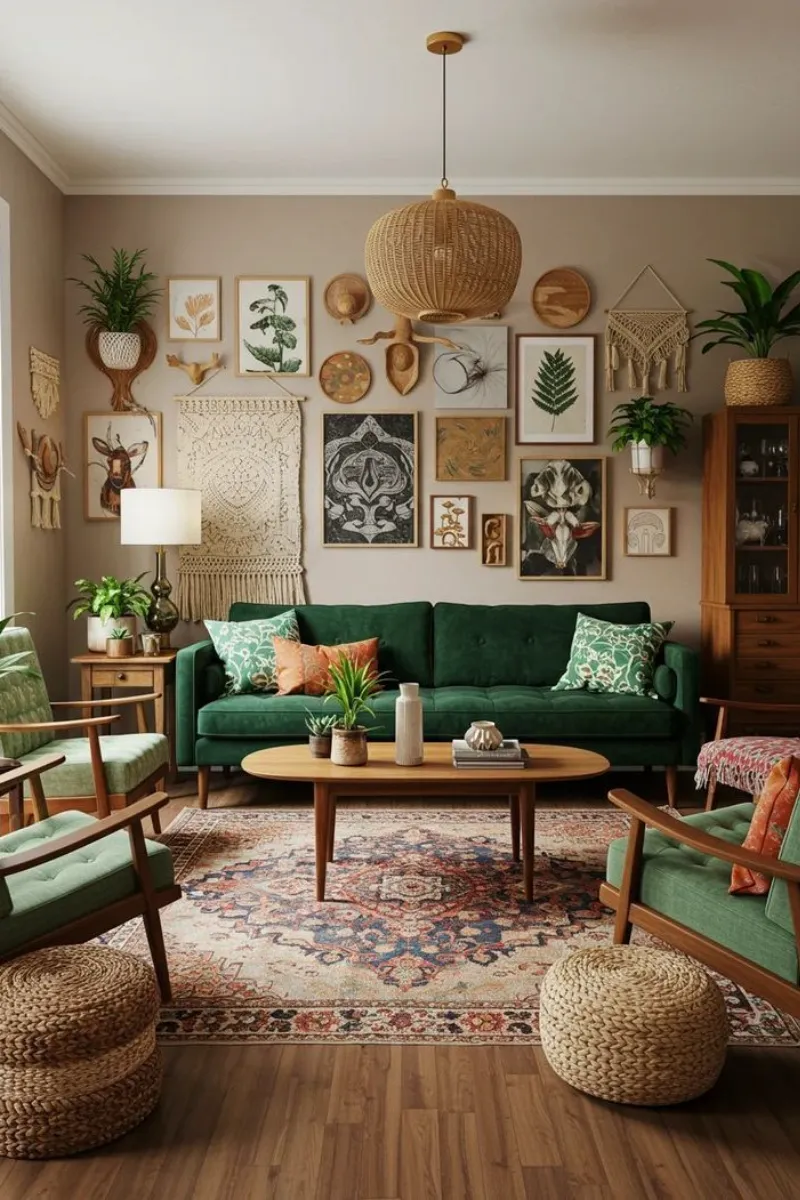
Arranging a feng shui living room is about creating a space that supports comfort, balance, and positive energy. By decluttering, placing furniture thoughtfully, and choosing calming colors and materials, you can transform your living room into a place that feels peaceful and welcoming.
Looking for more living room design inspiration? You might also love: