
Hidden doors aren’t just for mystery movies — they’re one of the smartest ways to add extra storage and clean design to your home. Whether you want to hide a cluttered closet, tuck away cleaning supplies, or create a secret room, hidden doors help you maximize space while keeping your interior looking polished and intentional.
The best part? You don’t need a massive renovation to pull off these ideas. From simple panel doors to custom bookshelf entrances, there’s a hidden door style for every budget, home size, and aesthetic. Here are 10 clever hidden door ideas that help you add secret storage without sacrificing style.
1. Bookshelf Hidden Door
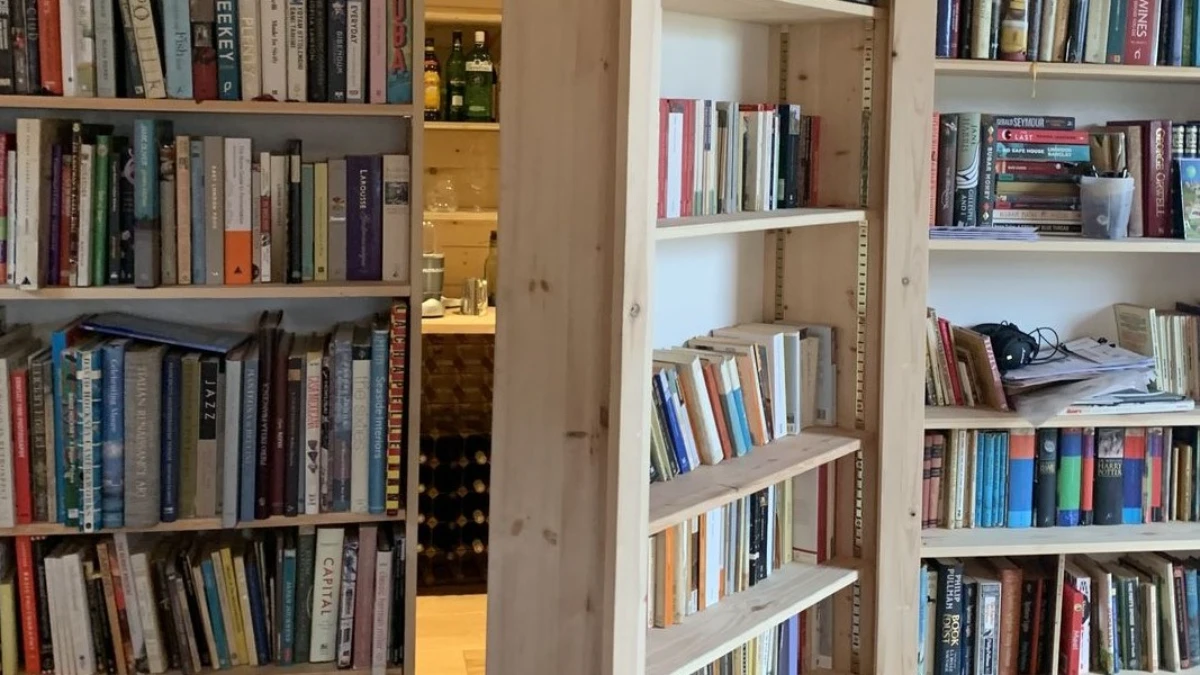
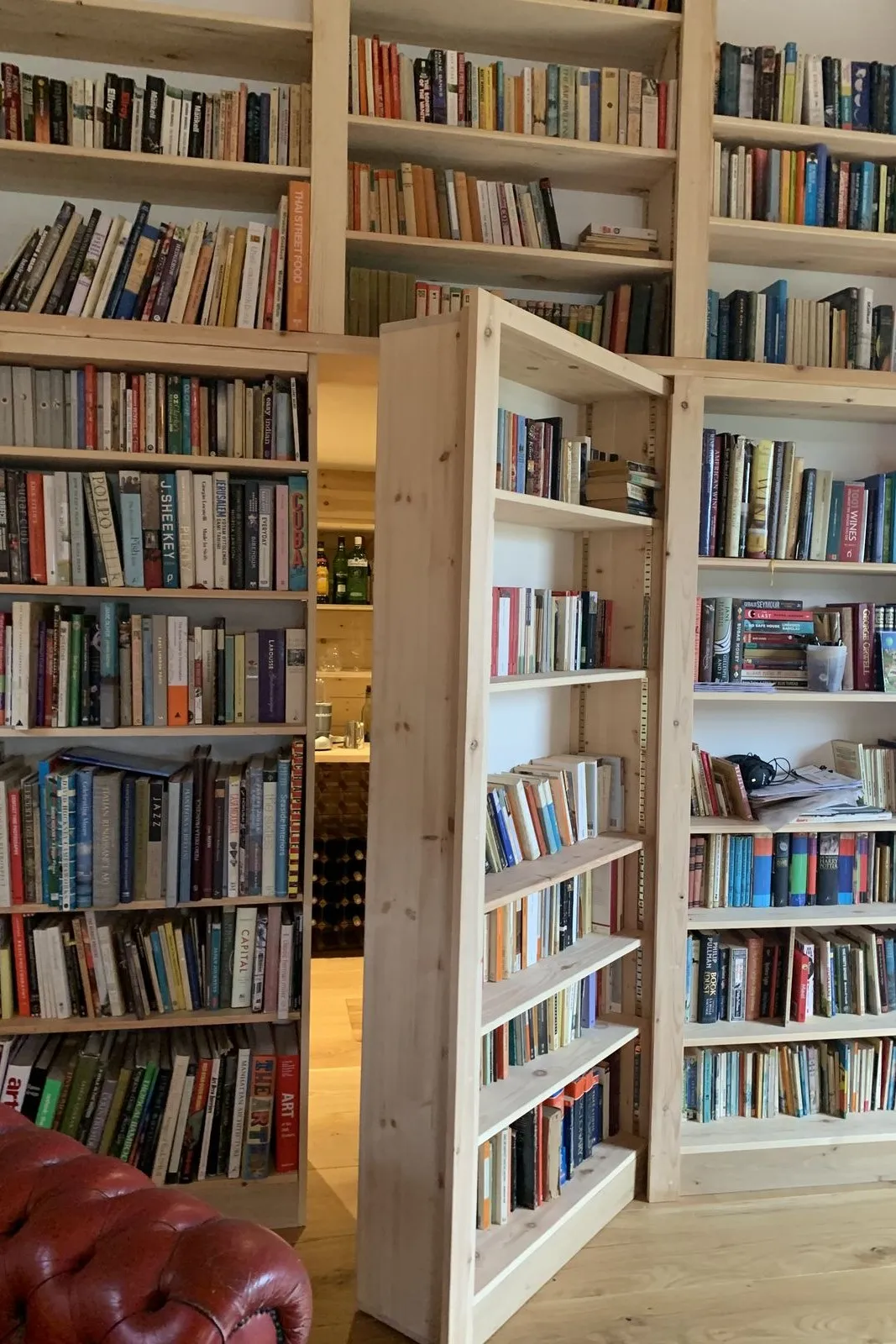
A bookshelf hidden door is a classic choice — and for good reason. It serves two purposes: extra storage for books and décor, plus a concealed entry to the space behind it. You can install one in a hallway, home office, or living room to hide a closet, safe room, or even a small storage nook.
To make sure the door works smoothly, choose sturdy hardware designed for pivoting or swinging bookshelves. Keep the bookshelf styling balanced so the weight is evenly distributed.
2. Mirror Panel Hidden Door
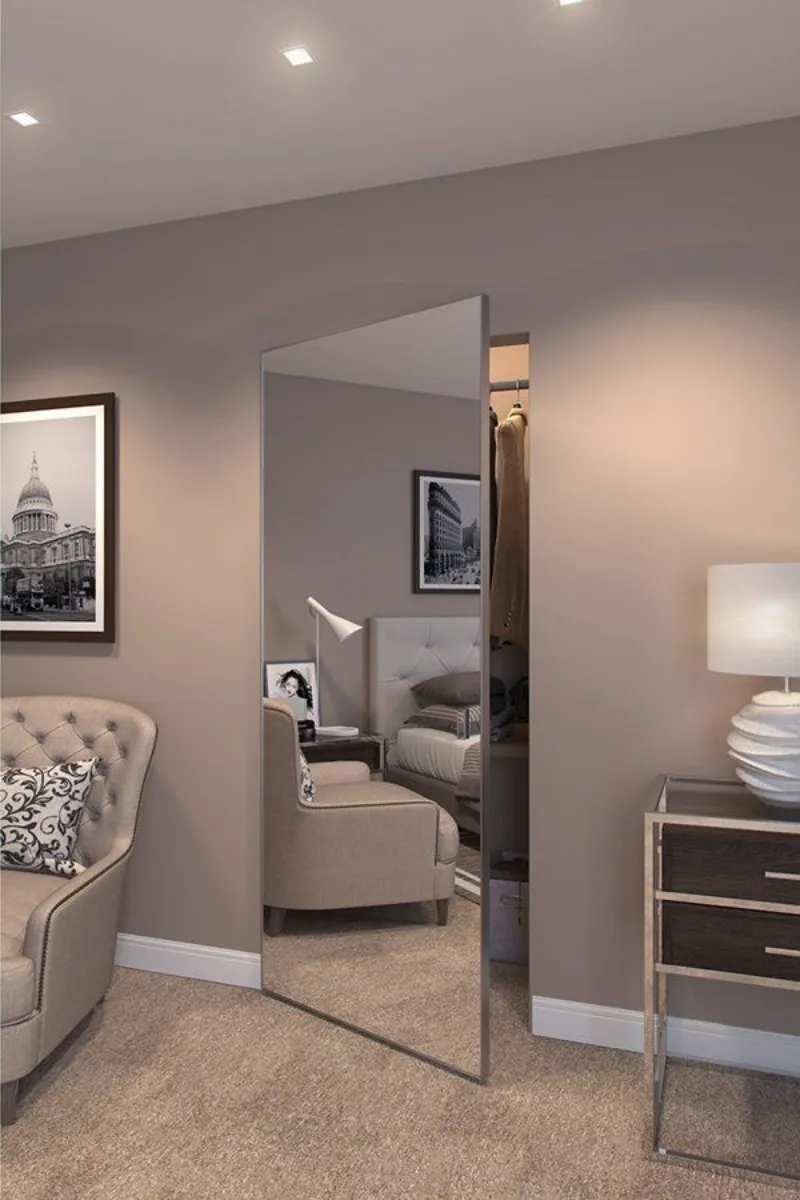
If you’re working with a small bedroom or hallway, a mirror panel hidden door is a stylish space-saver. The front looks like a full-length mirror, but it opens to reveal the storage behind it — whether it’s a clothing closet, utility space, or shoe shelves.
Mirrors help visually enlarge a room, making them perfect for apartments or compact homes. When installed flush with the wall, the door blends in seamlessly.
3. Cabinet-Style Hidden Door
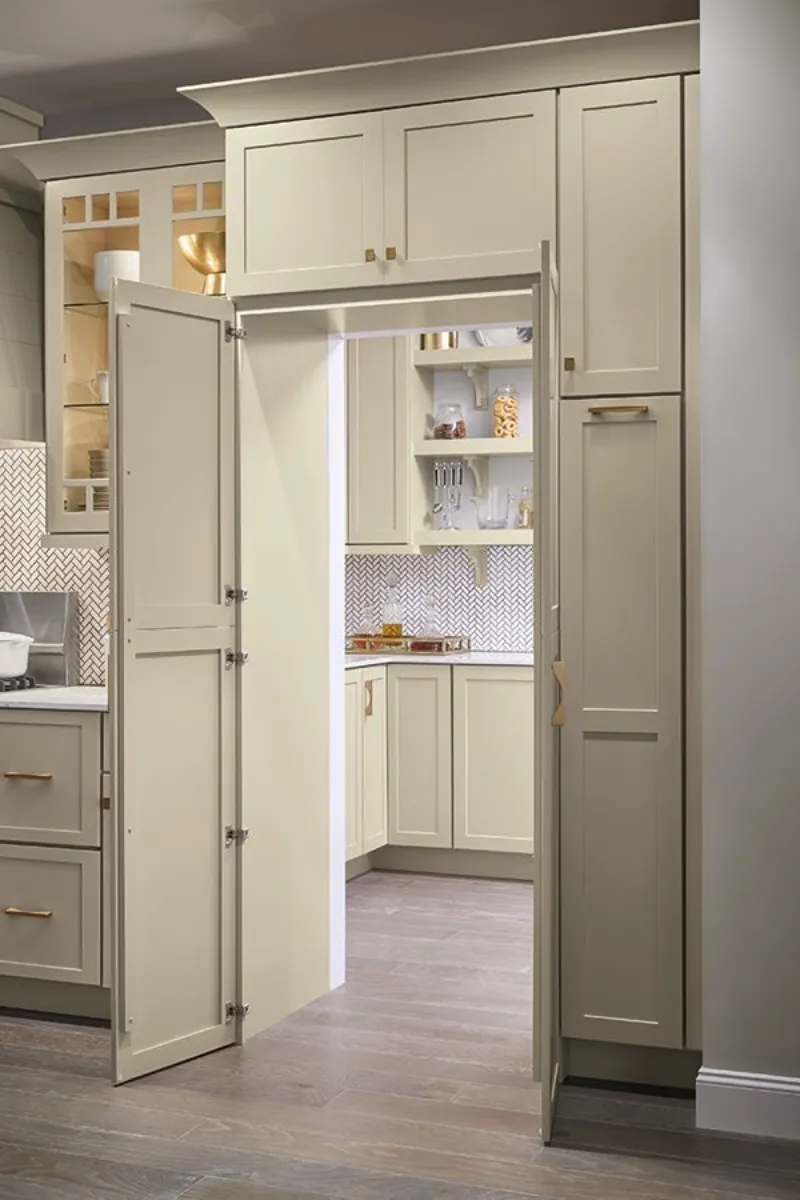
For kitchens, mudrooms, and laundry rooms, a cabinet-style hidden door is one of the most practical options. From the front, it looks like part of the cabinetry. Behind it, you can hide bulk items, pantry supplies, linens, or cleaning tools.
Matching the door to your existing cabinet style — including the hardware and panel design — keeps the illusion flawless. Soft-close hinges help the door blend in with other cabinet movements.
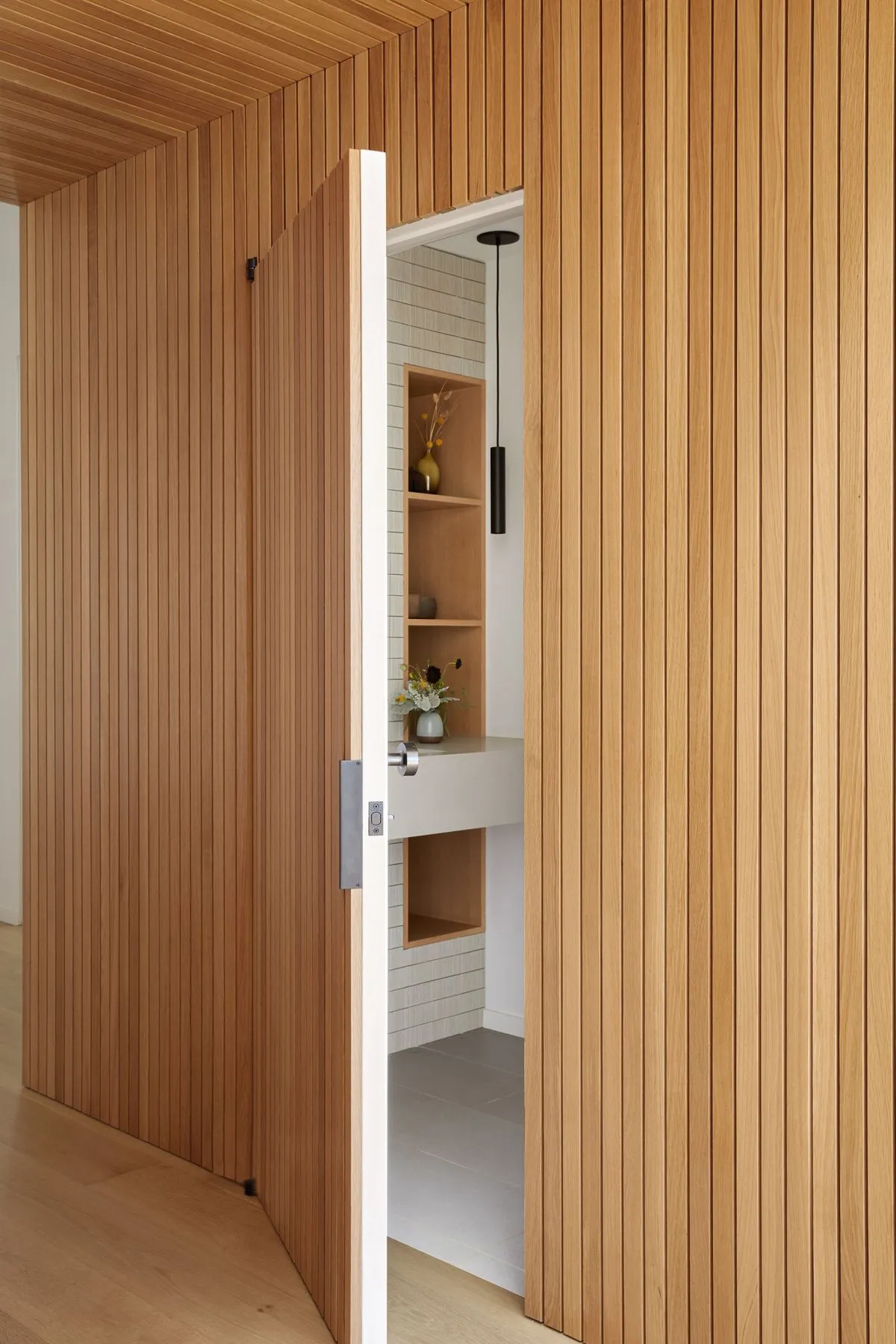
4. Wall Panel Hidden Door
If you love minimal or modern design, a wall panel hidden door might be your perfect match. These doors align with the existing wall panels or decorative slats, creating a nearly invisible transition. They’re great for hiding small storage rooms, utility areas, or private spaces like a home office.
This option works especially well with wood slat walls, wainscoting, or textured wall treatments. A push-to-open latch eliminates the need for a visible handle.
5. Under-Stairs Hidden Door
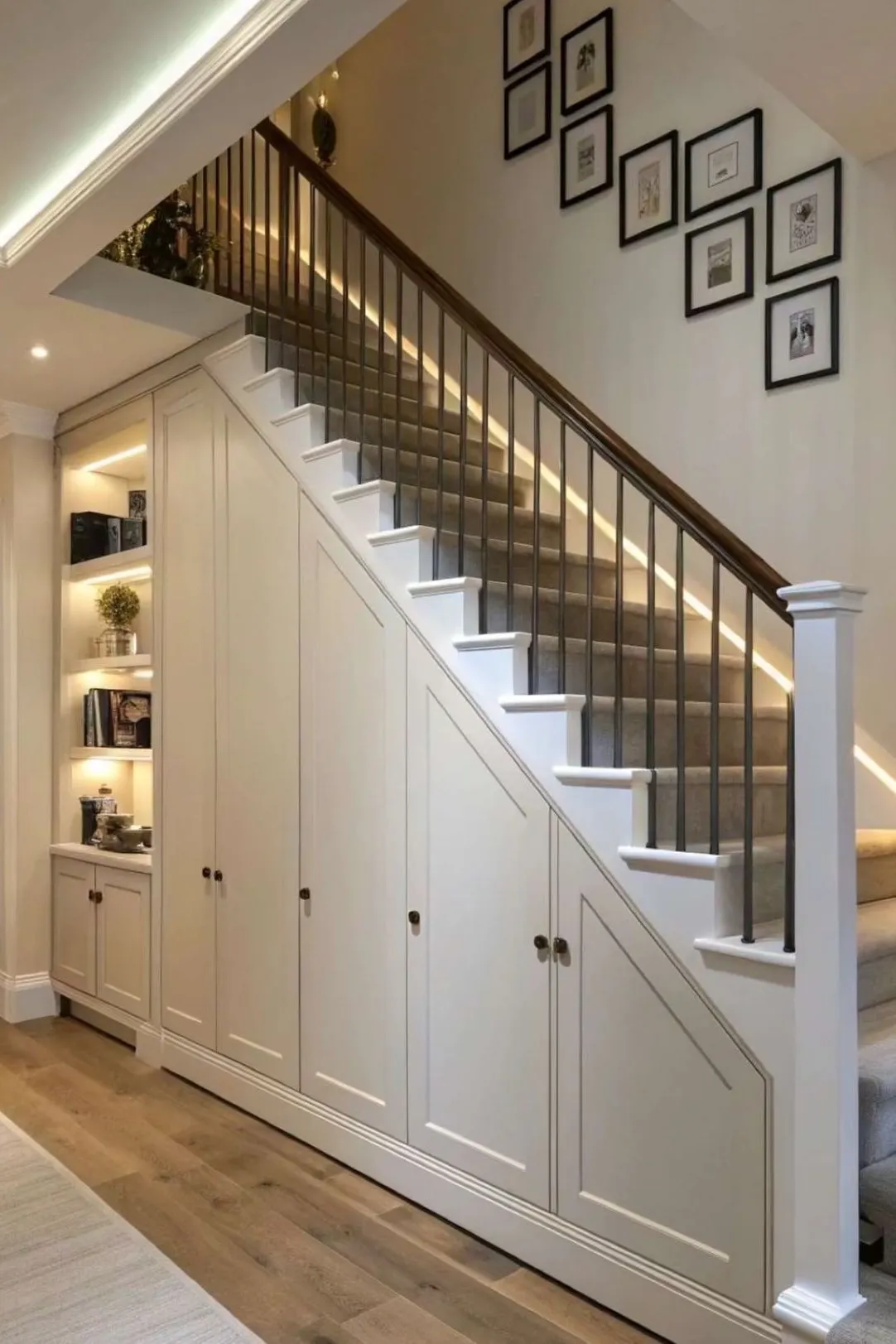
There’s no reason the space under your stairs should go to waste. Adding a hidden door turns that unused area into extra storage for shoes, cleaning tools, kids’ toys, or seasonal decorations.
You can create a fully concealed door that blends with surrounding walls, or make it look like part of your staircase trim. Homeowners with pets also love using this space for a cozy “under-stair dog room.”
6. Closet-to-Nook Hidden Door
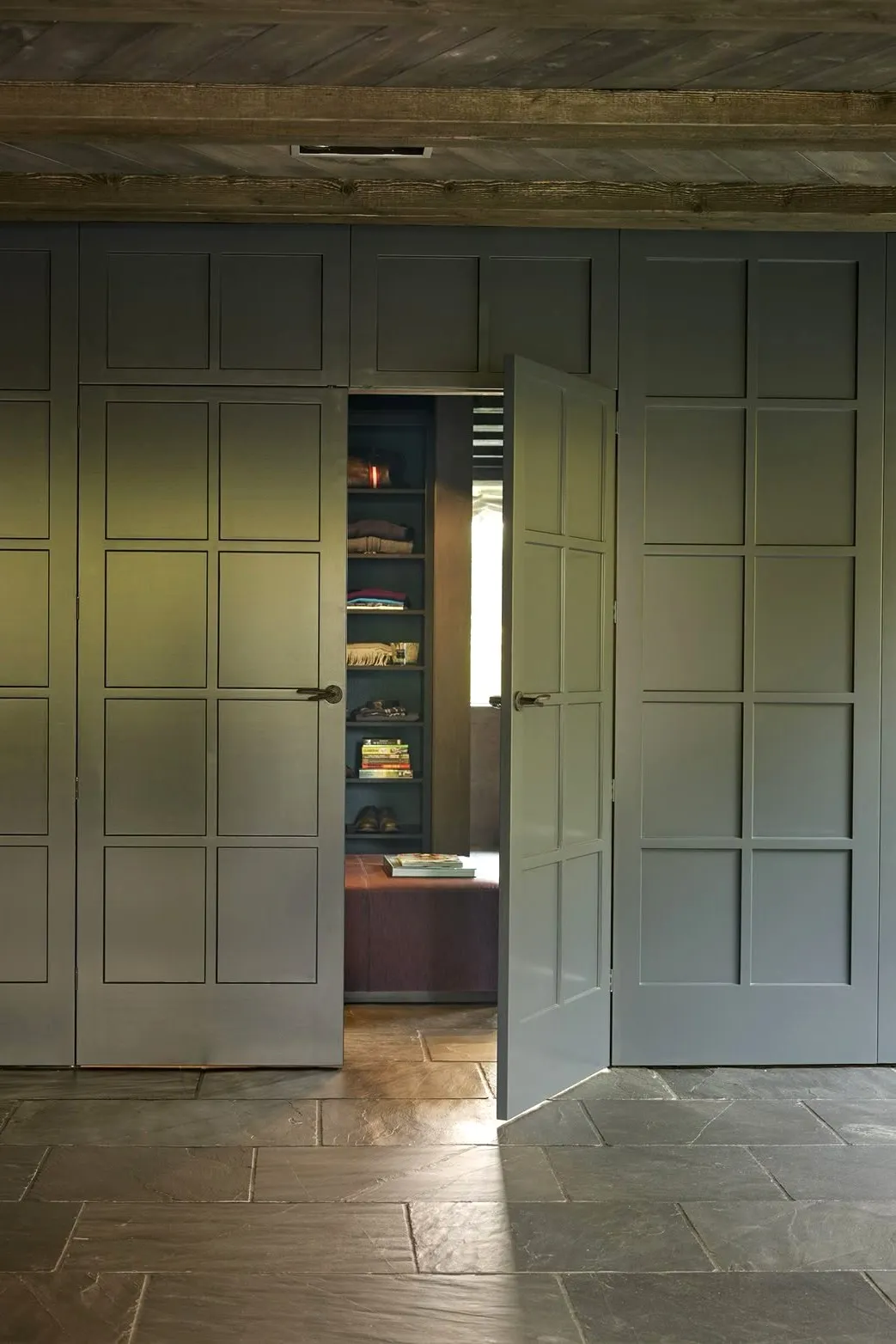
Many older homes have deep hallway or bedroom closets that could be put to better use. A hidden door setup allows you to transform that closet into a reading nook, compact home office, or organized storage area — all while keeping the door disguised.
This option is especially useful if you want a functional private nook but don’t want the space to feel visually cluttered. Keep the outside door flush with the wall so the transition feels seamless.
7. Chalkboard or Decorative Panel Hidden Door
A hidden door doesn’t have to be complicated. Sometimes all you need is a creative front panel. A chalkboard wall or decorative art panel can disguise the door completely while adding personality to the room.
This idea works really well in kitchens, playrooms, craft rooms, or mudrooms. A chalkboard panel doubles as a weekly planner or message board, making it both playful and practical.
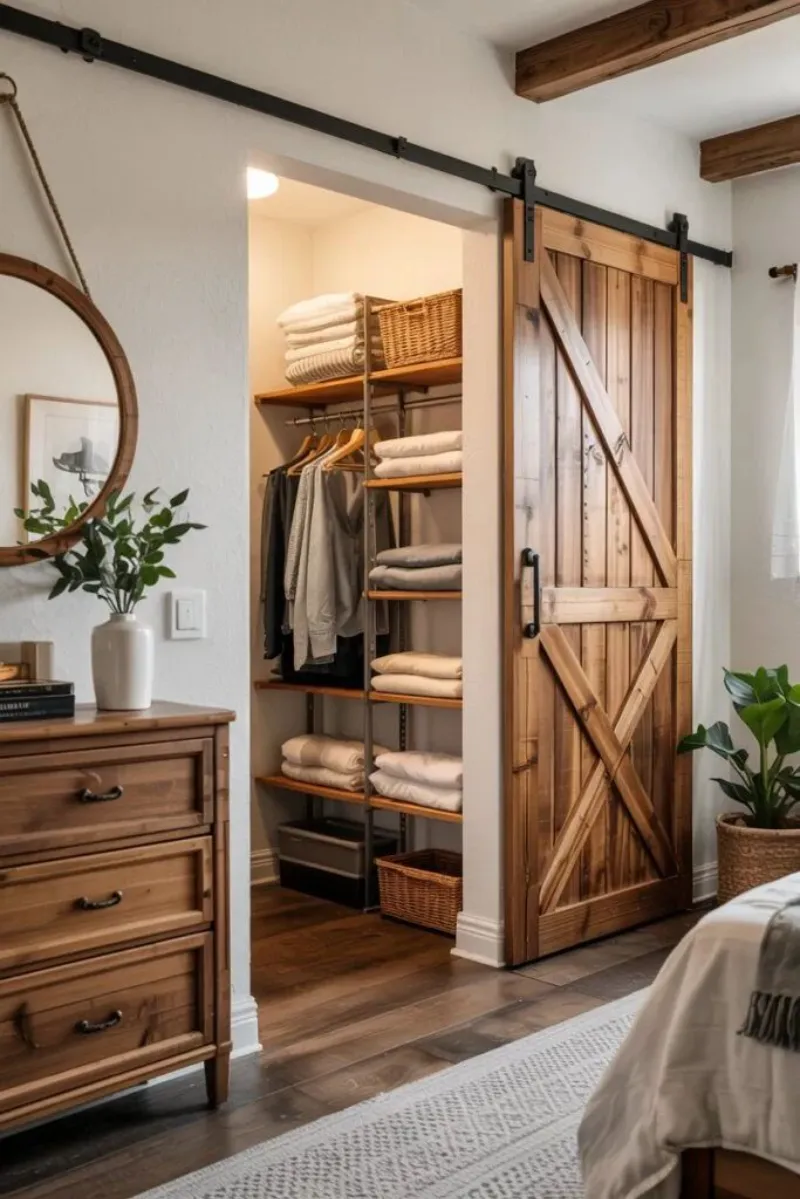
8. Sliding Barn-Style Hidden Door
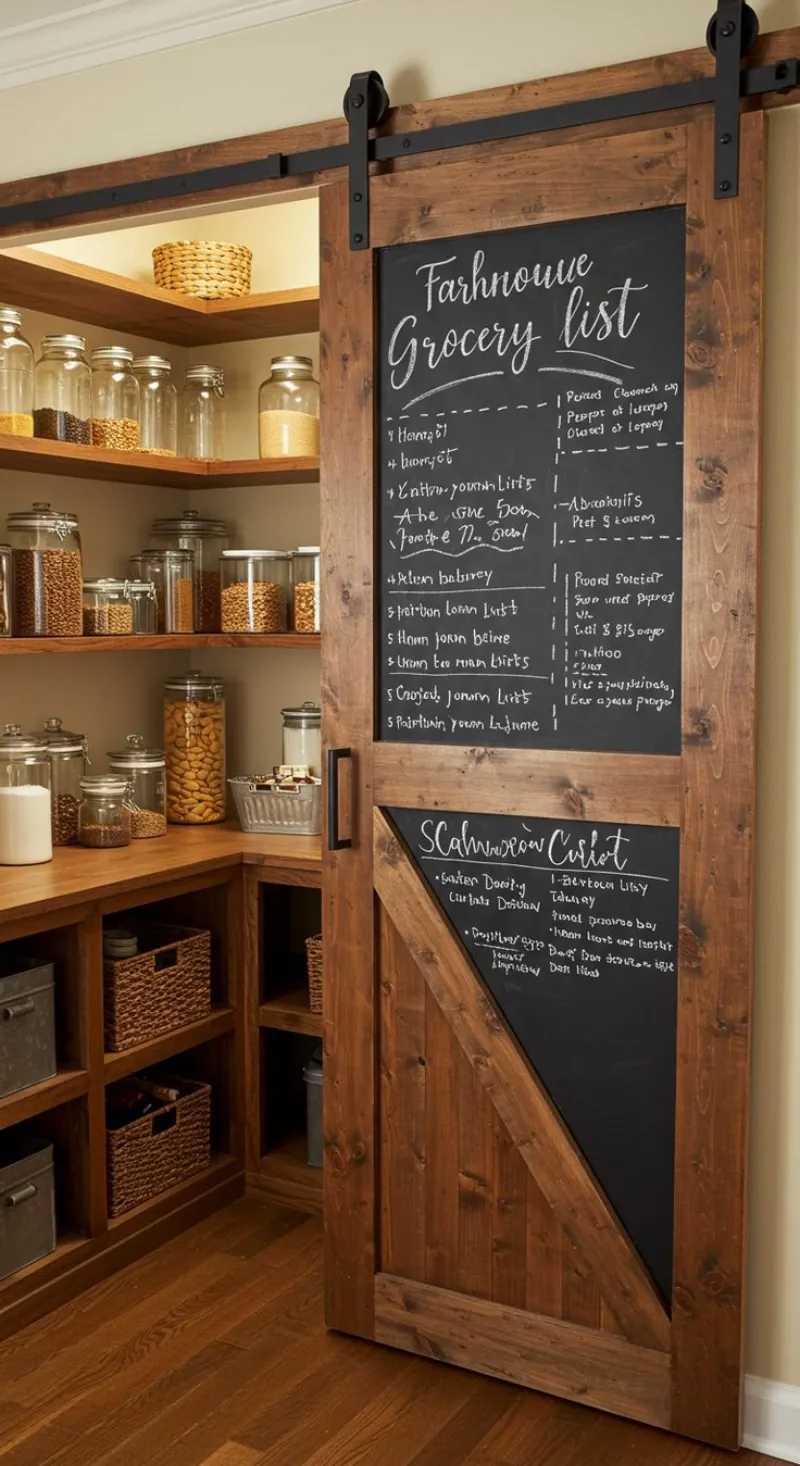
For a rustic, farmhouse, or modern industrial look, a barn-style hidden door is a stylish alternative. From the outside, it appears like a standard sliding barn door — but the interior is built to conceal a closet or storage space.
Because it slides rather than swings, this style is perfect for tight hallways or rooms with limited floor clearance. Choose a track system that can support the additional weight if your door includes shelves or panels.
9. Bed Headboard Hidden Door
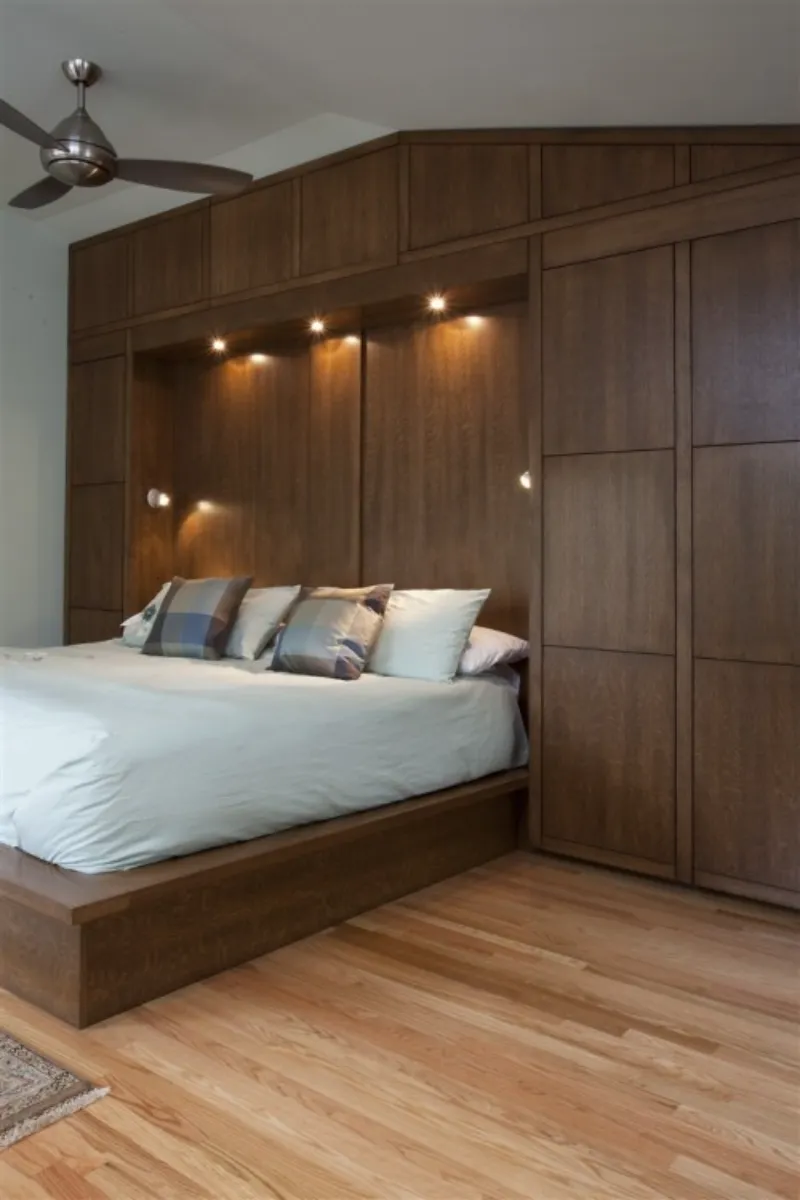
If you’re low on storage space in the bedroom, a hidden storage door built into the headboard is a game changer. The headboard can include shelves, compartments, or a concealed opening that leads to a storage nook behind the bed.
This is ideal for apartments, guest rooms, or minimalist spaces where you want everything tucked neatly out of sight. Store linens, books, valuables, or off-season items in a spot no one would ever think to look.
10. Hidden Door Behind Curtains or Drapes
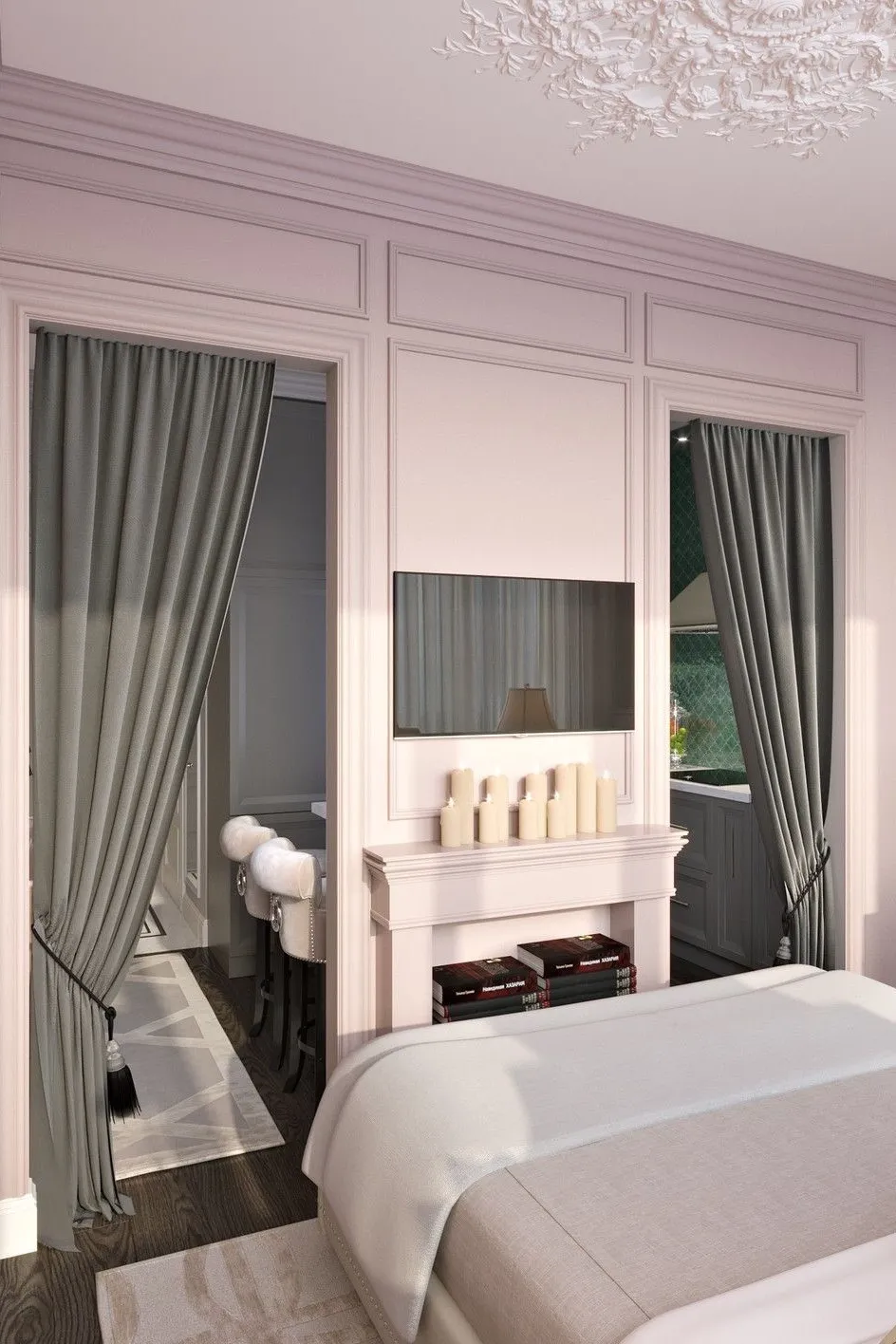
For renters or budget-conscious homeowners, hiding a door with curtains is an easy, non-permanent solution. When the drapes are drawn, the door disappears completely from view, making the room feel cleaner and more cohesive.
This trick works well for utility rooms, side closets, or any door that visually disrupts the space. Opt for thick, floor-length curtains for the best coverage.
Final Thoughts
Hidden doors add a sense of fun, creativity, and practicality to any home — and you don’t need complex carpentry to enjoy the benefits. Whether you choose a full bookshelf entrance or a simple curtain disguise, these ideas help you create storage solutions that stay out of sight but always within reach.
Experiment with materials, match your home’s style, and choose a hidden door design that makes your space feel more organized and uniquely yours.
Looking for more interior design inspiration? You might also love: